Why do pet rabbits perform a high-speed leap and mid-air twist called a binky when they are excited
From gravity-defying leaps to sudden mid-air twists, the "binky" is the ultimate display of bunny bliss. Discover the fascinating secrets behind this adorable acrobatic feat and what it reveals about your rabbit’s happiest moments.

Too Long; Didn't Read
Pet rabbits perform binkies as a physical expression of pure joy, excitement, and contentment. These energetic leaps and twists signal that a rabbit feels safe, happy, and comfortable in its environment.
The Science of Joy: Why Do Pet Rabbits Perform a High-Speed Leap and Mid-Air Twist Called a Binky When They Are Excited?
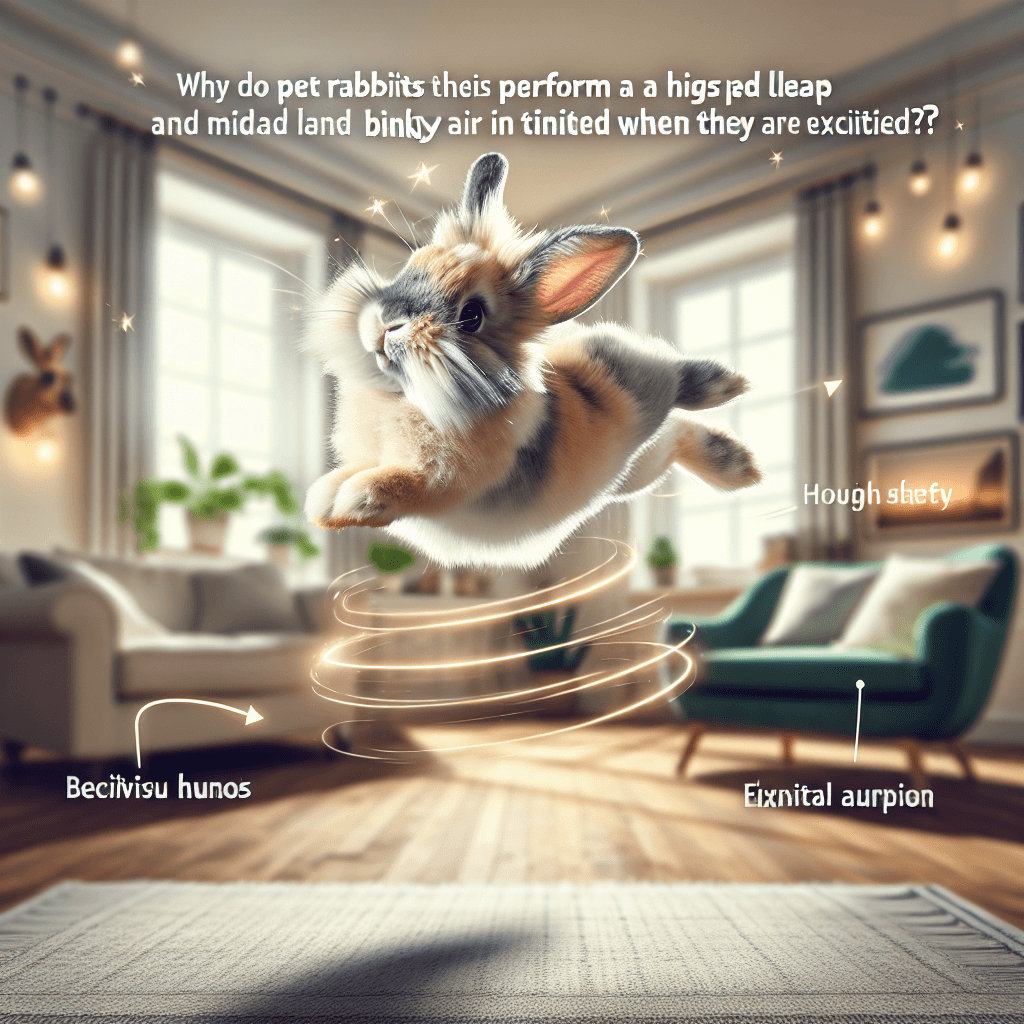
To the casual observer, the domestic rabbit (Oryctolagus cuniculus) may seem like a sedentary creature, content to spend its day quietly nibbling hay. However, those who share their homes with these lagomorphs often witness a sudden, explosive display of athleticism: the "binky." This behavior, characterized by a high-speed leap followed by a frantic mid-air twist of the body and flick of the ears, is one of the most distinctive features of rabbit ethology. Beyond its visual charm, the binky serves as a critical indicator of a rabbit’s psychological and physical well-being. Understanding why do pet rabbits perform a high-speed leap and mid-air twist called a binky when they are excited is essential for any owner looking to provide a high-welfare environment. This post explores the biological origins, behavioral triggers, and health implications of this unique expression of vigor.
Defining the Binky: Anatomy of a Leap
The term "binky" is used within the rabbit-owning community to describe a specific sequence of locomotor play. Unlike a standard jump used to clear an obstacle, a binky is an involuntary-looking burst of energy. Physically, it requires significant power from the rabbit’s large hind limb muscles—the gastrocnemius and the quadriceps—which allow them to launch vertically while simultaneously using their core muscles to torque their torso in mid-air.
Veterinary behaviorists categorize the binky as a form of "locomotor play." It is often preceded by "zoomies," or high-speed laps around a room. While a binky usually involves a full-body twist, rabbits may also perform "half-binkies," which consist of a sharp head flick or a partial jump, often seen in older rabbits or those in more confined spaces.
Evolutionary Roots: From Survival to Play
To understand the binky, one must look at the rabbit’s history as a prey species. In the wild, survival depends on the ability to evade predators through unpredictable movement. The sharp twists and sudden changes in direction seen in a binky are closely related to the "zig-zag" running pattern rabbits use to escape foxes or hawks.
In a domestic setting where the threat of predation is removed, these survival maneuvers undergo a process called exaptation. This occurs when a trait evolved for one purpose (evasion) is co-opted for another (social play or emotional expression). When a rabbit feels safe and energized, it "practices" these maneuvers. This behavior is scientifically recognized as a sign that the animal’s basic needs are met, allowing it to expend metabolic energy on non-essential, pleasurable movements.
The Correlation Between Binkying and Welfare
Animal behaviorists use the presence of locomotor play as a key metric for measuring positive welfare. While many animals show signs of stress or fear, the binky is a unique marker of the opposite state.
- Environmental Security: A rabbit will only binky when it perceives its environment as 100% secure. Because the mid-air twist leaves the rabbit momentarily vulnerable and off-balance, it is a display of total confidence in its surroundings.
- Endorphin Release: Much like the "runner’s high" in humans, vigorous exercise in rabbits triggers the release of endorphins. The binky is both a result of high spirits and a method of maintaining them.
- Physical Health: Frequent binkying indicates that a rabbit has good muscle tone and skeletal integrity. Conversely, a sudden cessation of binkying in a young rabbit can be a clinical sign of onset dental pain, GI stasis, or pododermatitis (sore hocks).
Encouraging Natural Expression: Care Guidelines
While the binky is a natural behavior, certain environmental factors can encourage or inhibit it. To support this expression of excitement, owners should consider the following evidence-based guidelines:
- Substrate and Traction: Rabbits require non-slip surfaces to perform binkies safely. Hardwood or tile floors can lead to spinal injuries or "splay leg" if a rabbit slips during a mid-air twist. Providing area rugs or foam mats is essential for safe play.
- Space Requirements: According to the House Rabbit Society, rabbits require a minimum of 32 square feet of exercise space for several hours a day. Without adequate "runway" space, a rabbit cannot build the momentum necessary to launch into a full binky.
- Dietary Energy: A diet high in fiber (timothy hay) provides the steady energy levels required for these bursts. Excessive sugar from fruit treats can cause energy spikes followed by lethargy, which is less conducive to sustained play.
Conclusion
Understanding why do pet rabbits perform a high-speed leap and mid-air twist called a binky when they are excited provides a fascinating window into the lagomorph mind. The binky is far more than a simple trick; it is an evolutionary survival mechanism transformed into a profound expression of joy and safety. By recognizing the binky as a gold-standard indicator of animal welfare, owners can better assess the success of their husbandry practices. Ensuring your rabbit has the space, traction, and security to perform these leaps is a fundamental aspect of responsible ownership. When you see your rabbit twist in mid-air, you are seeing a direct biological confirmation of a healthy, happy animal thriving in its environment. Always consult with a rabbit-savvy veterinarian if you notice sudden changes in your pet’s activity levels or mobility.