Why do pet rats emit a high-pitched ultrasonic laughter when they are being tickled by their owners
Beyond the range of human hearing, your pet rat is actually bursting into fits of joyful laughter every time you play. Discover the fascinating science behind these secret ultrasonic giggles and what they reveal about your tiny friend’s complex emotional world.

Too Long; Didn't Read
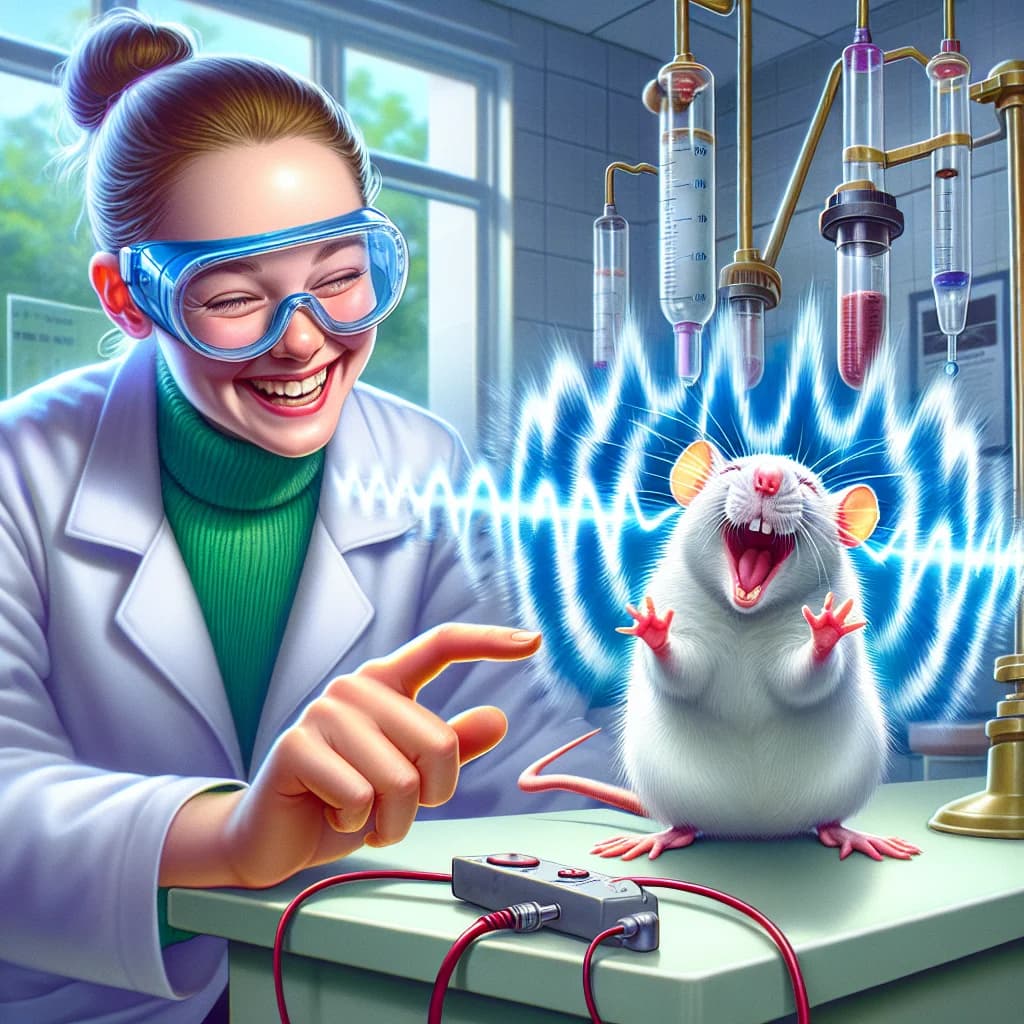
Pet rats emit high-pitched ultrasonic chirps when tickled because these sounds are a biological form of laughter that signals joy. This vocalization indicates a positive emotional state and helps strengthen the social bond between the rat and its owner by mimicking playful interaction.
The Science of Joy: Why Do Pet Rats Emit a High-Pitched Ultrasonic Laughter When They Are Being Tickled?
For centuries, rats have been unfairly cast as mere pests or clinical subjects. However, modern ethology and neuroscience have revealed a startlingly human-like side to these intelligent rodents: they love to play, and they express their joy through laughter. While a human cannot hear these sounds with the naked ear, rats emit specific high-pitched ultrasonic vocalizations (USVs) when engaged in social play or when "tickled" by their human caretakers. This phenomenon is not just a quirky behavioral trait; it is a profound indicator of positive emotional states and complex social evolution. Understanding why pet rats emit this ultrasonic laughter is essential for improving animal welfare and deepening the bond between owners and their highly social companions. This blog post explores the biological mechanisms, evolutionary purposes, and scientific history behind the delightful "chirps" of the domestic rat.
The Discovery of the 50-kHz Vocalization
The concept of rat laughter was pioneered in the late 1990s by Dr. Jaak Panksepp, a renowned neuroscientist. Panksepp discovered that when rats engage in "rough-and-tumble" play, they emit short, high-frequency calls around 50 kilohertz (kHz). Because the human hearing range typically caps out at 20 kHz, these sounds remained a secret for decades until researchers used specialized ultrasonic bat detectors to record them.
Defining Ultrasonic Laughter
In the world of rodent vocalization, frequency matters. Rats utilize different frequencies to communicate different emotional states:
- 22-kHz Vocalizations: These are long-form "alarm calls" used to signal distress, the presence of a predator, or social defeat.
- 50-kHz Vocalizations: These are short, staccato "chirps" associated with positive affect, anticipation of rewards (like food or play), and sexual solicitation.
When a human mimics the rapid finger movements of a play-fighting rat—a process known as heterospecific play—the rat responds with a flurry of these 50-kHz chirps. Science considers this an evolutionary homologue to human laughter.
The Neurobiology of the Tickle Response
Why does tickling trigger such a specific vocal response? The answer lies in the rat’s brain chemistry. Studies have shown that the 50-kHz chirps are closely linked to the brain's dopaminergic reward system. When a rat is tickled, the ventral tegmental area (VTA) and the nucleus accumbens—regions associated with pleasure and motivation—become highly active.
This biological reaction suggests that rats are not merely reacting to a physical stimulus, but are experiencing a genuine state of "joy." Research indicates that rats who are "high ticklers" (those who chirp more frequently) also show greater resilience to stress and are more likely to approach humans, indicating a high level of trust and social comfort.
Evolutionary Purpose: Why Laugh?
From an evolutionary standpoint, laughter serves as a vital social lubricant. Rats are communal animals that rely on group cohesion for survival.
- Play Signaling: In the wild, play can often look like fighting. The 50-kHz chirp serves as a "play signal," telling the partner, "This is just a game; I am not trying to hurt you."
- Reducing Aggression: By signaling a positive emotional state, these vocalizations prevent play from escalating into actual conflict.
- Bonding: Positive vocalizations encourage social proximity, ensuring that the rats stay close to their colony for protection and warmth.
Practical Guidelines for Tickling Your Pet Rat
If you want to experience this bond with your own pets, animal behaviorists suggest mimicking "rat-like" movements to elicit the best response.
- The "Power Move": Gently flip the rat onto its back and use your fingertips to lightly "scramble" or tickle their belly and neck area.
- The Chase: Use your hand to mimic a pouncing motion, then quickly pull away to encourage the rat to chase you.
- Watch for "Joy Jumps": Along with ultrasonic laughter, happy rats often perform "popcorning" or prosteyer—quick, erratic hops in the air that signal pure excitement.
Conclusion
The high-pitched ultrasonic laughter of pet rats is more than just a biological curiosity; it is a bridge between species. By emitting 50-kHz vocalizations, rats demonstrate that they possess a complex internal world capable of experiencing pleasure and social connection. For the responsible owner, recognizing and encouraging this behavior is a powerful tool for enrichment and welfare assessment. Understanding the science of rat laughter allows us to move past outdated stereotypes and appreciate these animals for the sensitive, joyful creatures they truly are. As we continue to study the emotional lives of animals, the "chirps" of a tickled rat serve as a poignant reminder of our shared mammalian heritage of play and happiness.