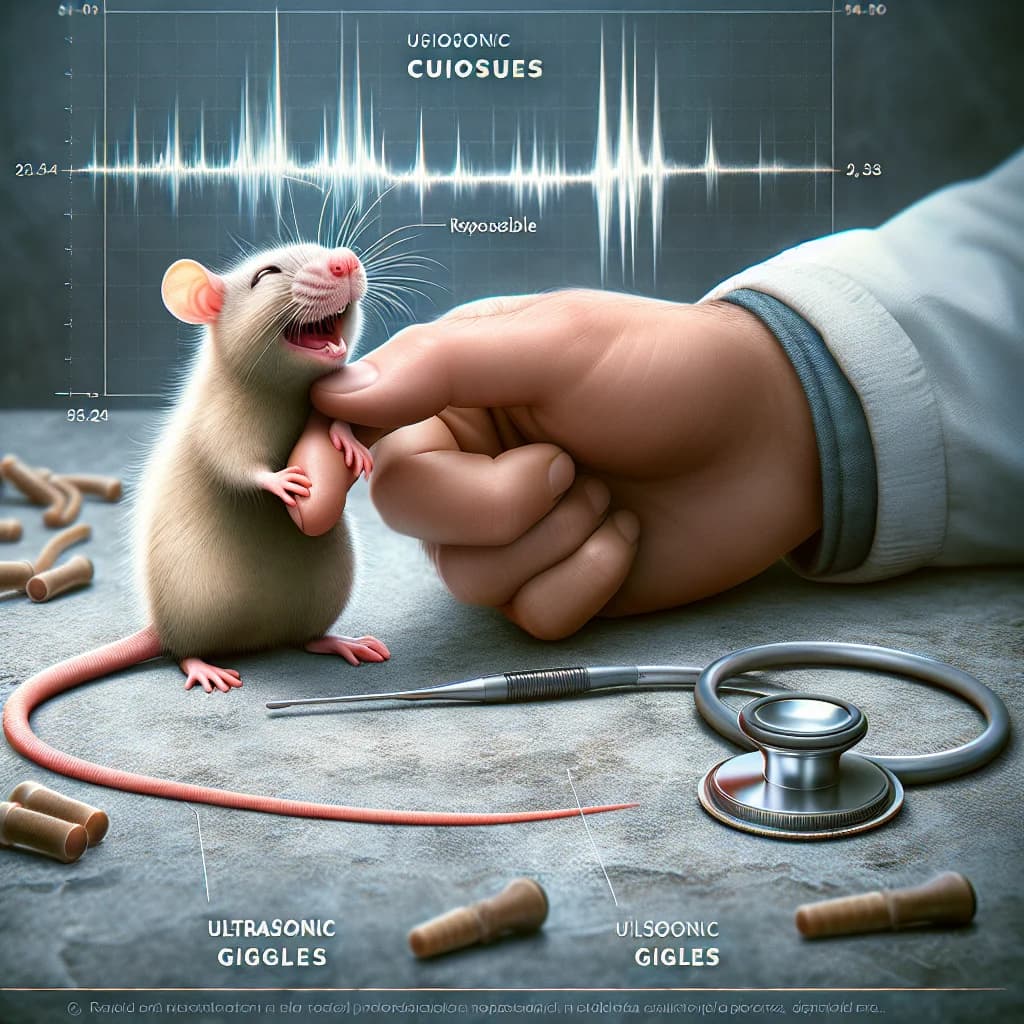
Why do pet rats emit high frequency ultrasonic chirps equivalent to laughter when they are tickled
Beyond the range of human hearing, your pet rat is actually erupting in joy every time you play with them. Discover the fascinating science behind these secret ultrasonic "giggles" and what they reveal about the complex emotional lives of rodents.

Too Long; Didn't Read
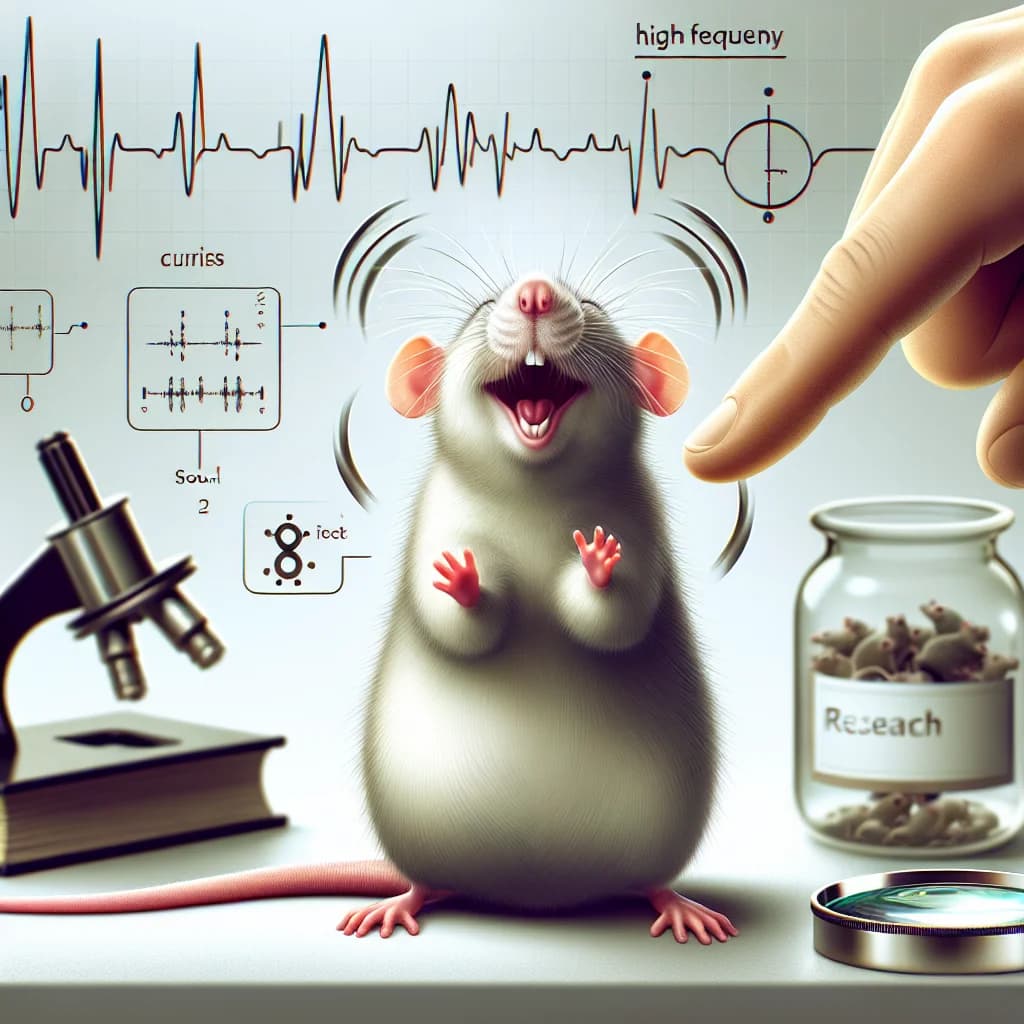
Pet rats emit high-frequency ultrasonic chirps when tickled because these sounds are a form of primitive laughter associated with positive emotions. Triggered by dopamine release in the brain, these vocalizations signal joy and playfulness, serving as a vital mechanism for social bonding and communication.
The Science of Joy: Why do pet rats emit high frequency ultrasonic chirps equivalent to laughter when they are tickled?
For decades, the common perception of the brown rat (Rattus norvegicus) was limited to its role as a scavenger or a laboratory subject. However, modern ethology and neuroscience have revealed a startlingly complex emotional world within these small mammals. One of the most fascinating discoveries in animal behavior is the phenomenon of rat "laughter." When engaged in playful social interaction or "tickling" by a human hand, rats emit a specific type of vocalization that mirrors the human physiological response to joy. Understanding why do pet rats emit high frequency ultrasonic chirps equivalent to laughter when they are tickled is not merely a matter of curiosity; it is a critical component of modern animal welfare and the human-animal bond. This blog post explores the biological mechanisms, evolutionary purposes, and scientific history behind these high-frequency chirps to explain how joy is expressed in the rodent world.
The Discovery of Ultrasonic Vocalizations (USVs)
The discovery that rats "laugh" is largely credited to the late neuroscientist Jaak Panksepp in the late 1990s. While humans communicate within a frequency range of 20 Hz to 20 kHz, rats utilize the ultrasonic spectrum. Using specialized "bat detectors" or heterodyne transducers, researchers identified two distinct types of ultrasonic vocalizations (USVs):
- 22 kHz Vocalizations: These long-duration pulses are typically associated with negative states, such as the presence of a predator, social defeat, or physical pain.
- 50 kHz Vocalizations: These are short, high-frequency "chirps" emitted during rewarding situations, such as mating, play, and tickling.
Panksepp’s research demonstrated that when a human hand mimics the "pinning and tumbling" motions of rat play—a process known as heterospecific play—the rats respond with a barrage of 50 kHz chirps.
The Biological Mechanism: Why the 50 kHz Chirp?
The reason rats emit these specific sounds is rooted in the brain's reward system. Scientific studies involving neurobiological mapping have shown that 50 kHz chirps are directly linked to the release of dopamine in the mesolimbic pathway, particularly within the nucleus accumbens. This is the same neural circuitry associated with pleasure and reward in humans.
Play as a Survival Instinct
In the wild, play is a vital developmental tool. Young rats engage in wrestling and chasing to hone their motor skills and establish social hierarchies. The 50 kHz chirps serve as a "play signal," informing the partner that the rough-and-tumble behavior is non-aggressive. When a human tickles a pet rat, they are essentially entering this social contract, triggering a hardwired evolutionary response that signals safety and social cohesion.
Comparison to Human Laughter
While it is important to avoid excessive anthropomorphism, the parallels are scientifically grounded. Both human laughter and rat chirping:
- Are triggered by physical contact (tickling).
- Are most prevalent during the juvenile stage of development.
- Are modulated by the same subcortical regions of the brain.
- Function as a social "glue" to strengthen bonds.
Practical Implications for Rat Care and Enrichment
For pet owners, understanding these vocalizations provides a direct window into the psychological well-being of their animals. Identifying these chirps—even if they require technology to hear—validates the importance of social enrichment.
- Socialization: Since rats are highly social, the absence of 50 kHz chirps in a group setting may indicate social stress or illness.
- Bonding through Tickling: Research suggests that rats who are regularly "tickled" by their owners show reduced fear of humans and are more resilient to stress. This practice, when done correctly (mimicking the playful pouncing of another rat), can significantly enhance the human-animal bond.
- Veterinary Assessment: In laboratory and clinical settings, monitoring USVs is now considered a gold standard for assessing an animal's "affective state," or its internal emotional health.
Conclusion
The realization that pet rats emit high-frequency ultrasonic chirps equivalent to laughter when they are tickled has revolutionized our understanding of rodent sentience. These 50 kHz vocalizations are far more than random noise; they are sophisticated biological signals of joy, social bonding, and neurological health. By recognizing the science behind these chirps, owners can move beyond basic husbandry toward a deeper, more empathetic relationship with their pets. Understanding the emotional capacity of rats reinforces the necessity of providing them with complex social environments and positive interactions. For those looking to optimize their rats' lives, acknowledging their capacity for "laughter" is a fundamental step in responsible and compassionate ownership.