Why do pet rats naturally possess bright orange front teeth strengthened by a high concentration of real iron
Think your rat needs a toothbrush for those bright orange teeth? Think again—that vivid color is actually a built-in layer of real iron that makes their "super-powered" smile stronger than many metals.

Too Long; Didn't Read
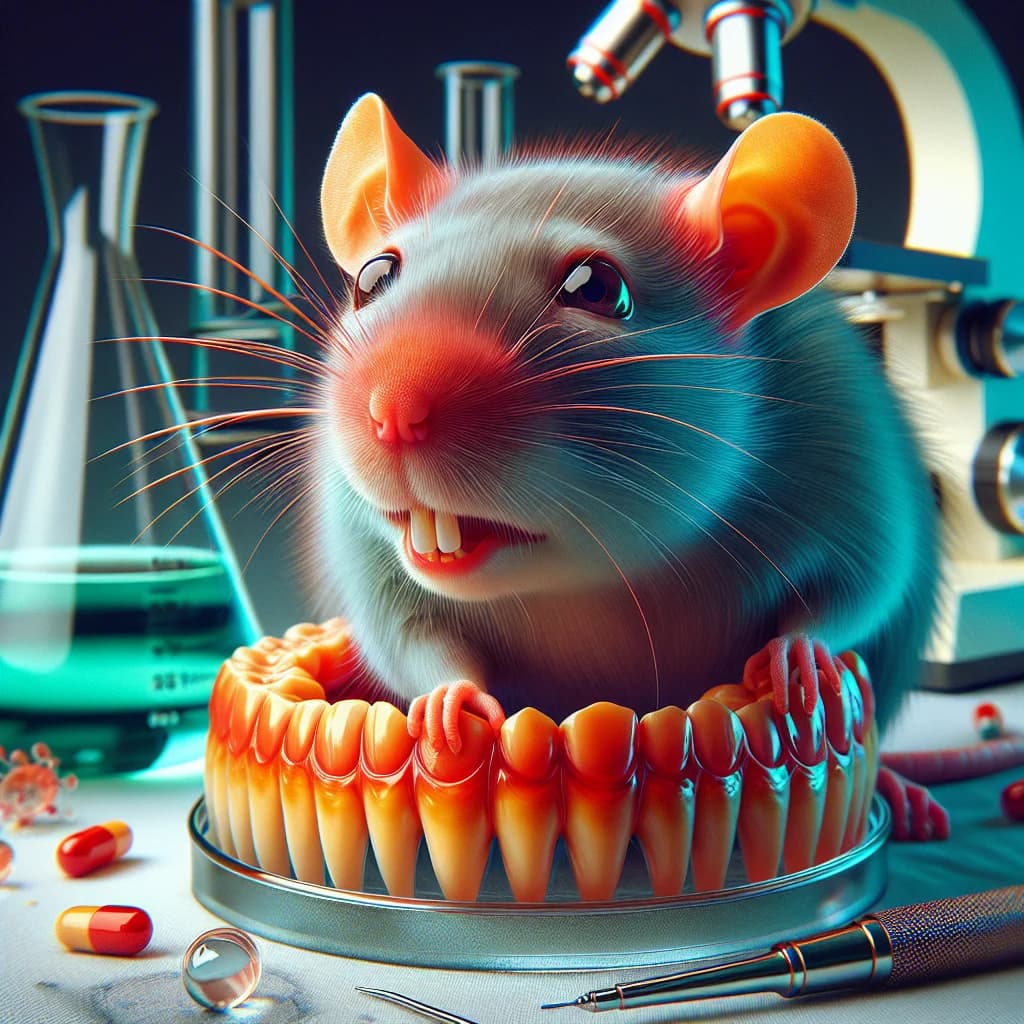
Pet rats have orange teeth because their enamel is infused with high concentrations of iron. This natural mineral reinforcement makes their incisors exceptionally hard and durable, allowing them to gnaw through tough materials like wood and metal without damage.
Iron-Clad Biology: Why Do Pet Rats Naturally Possess Bright Orange Front Teeth Strengthened by a High Concentration of Real Iron?
If you have ever caught a glimpse of a pet rat mid-yawn, you might have been startled to see a flash of vibrant orange where you expected pearly whites. While humans spend significant resources trying to achieve a bright white smile, a healthy rat is defined by its deep, rusty-colored incisors. This distinct coloration is not the result of poor hygiene or staining from food; rather, it is a fascinating evolutionary adaptation. Understanding why pet rats naturally possess bright orange front teeth strengthened by a high concentration of real iron is essential for any owner committed to the health and well-being of these intelligent rodents.
This blog post will delve into the biological mechanisms behind iron-pigmented enamel, the functional benefits of "iron-clad" teeth, and what this unique trait tells us about a rat's overall nutritional health.
The Chemistry of the Rat Smile: Iron as a Structural Component
In most mammals, tooth enamel consists primarily of calcium-based minerals like hydroxyapatite. While rats also utilize calcium, their incisors undergo a specialized mineralization process. As a rat matures, its body deposits a high concentration of iron-rich pigments into the enamel on the labial (front-facing) surface of the tooth.
This iron is not merely a surface coating; it is chemically integrated into the enamel matrix. This process, known as iron-pigmentation, typically begins when a rat is between 21 and 40 days old. If a rat’s teeth are white or pale yellow, it often indicates a health issue, such as a nutritional deficiency or a systemic illness that has interrupted the mineralization process.
The Evolutionary Advantage: The "Chisel" Effect
The presence of iron serves a purpose far beyond aesthetics. It provides two critical mechanical advantages that allow rats to thrive in diverse environments:
1. Superior Hardness
Iron-enriched enamel is significantly harder and more resistant to mechanical stress than standard enamel. Because rats are "hypselodont" animals—meaning their teeth grow continuously throughout their lives—they require teeth capable of gnawing through incredibly tough materials, including wood, plastic, and even soft metals like lead or aluminum. The iron reinforcement ensures the teeth do not shatter under the pressure of these high-force activities.
2. The Self-Sharpening Mechanism
One of the most remarkable aspects of rat biology is the "self-sharpening" nature of their incisors. The iron-rich enamel is only present on the front of the tooth. The posterior (back) side of the tooth consists of softer dentin.
As a rat gnaws or grinds its teeth together—a behavior known as "bruxing"—the softer dentin wears away more quickly than the hard, iron-reinforced enamel. This uneven wear creates a permanent, razor-sharp "chisel" edge. This biological design ensures that the rat always has the sharp tools necessary for foraging and nesting.
Clinical Significance: What Color Means for Health
For the pet owner, the shade of a rat's teeth is a vital indicator of its internal health. Veterinary science suggests that a deep, consistent orange color correlates with proper mineral absorption.
- Vibrant Orange: Indicates a healthy, mature rat with a diet rich in essential minerals.
- Pale Yellow or White: In an adult rat, this is often a clinical sign of iron deficiency (anemia) or a lack of other essential nutrients. It can also indicate chronic stress or underlying organ dysfunction.
- Malocclusion: If the teeth are not wearing down evenly, they can overgrow, leading to a condition called malocclusion. This prevents the "self-sharpening" process and may lead to the orange pigment appearing in patches or not at all if the rat is unable to eat properly.
Practical Guidelines for Dental Maintenance
To ensure your pet rat maintains its strong, orange-pigmented teeth, consider the following evidence-based care tips:
- Provide Gnawing Substrates: Offer applewood sticks, pumice stones, or kiln-dried hardwood blocks to facilitate natural wear.
- Balanced Nutrition: Use a high-quality lab block as the primary diet to ensure the correct ratio of calcium, phosphorus, and iron.
- Regular Inspections: Gently check your rat’s incisors weekly to ensure they are aligned and maintaining their characteristic orange hue.
Conclusion
Understanding why pet rats naturally possess bright orange front teeth strengthened by a high concentration of real iron reveals the incredible complexity of rodent biology. This orange pigment is a sign of a robust, healthy animal equipped with the specialized tools necessary for its survival. By recognizing that orange teeth are a hallmark of vitality, rather than a cause for concern, owners can better monitor their pets' health and appreciate the unique evolutionary path of these resilient creatures. Always consult with a veterinarian specializing in exotic pets if you notice sudden changes in your rat’s dental color or alignment, as these are often the first visible signs of systemic health shifts.