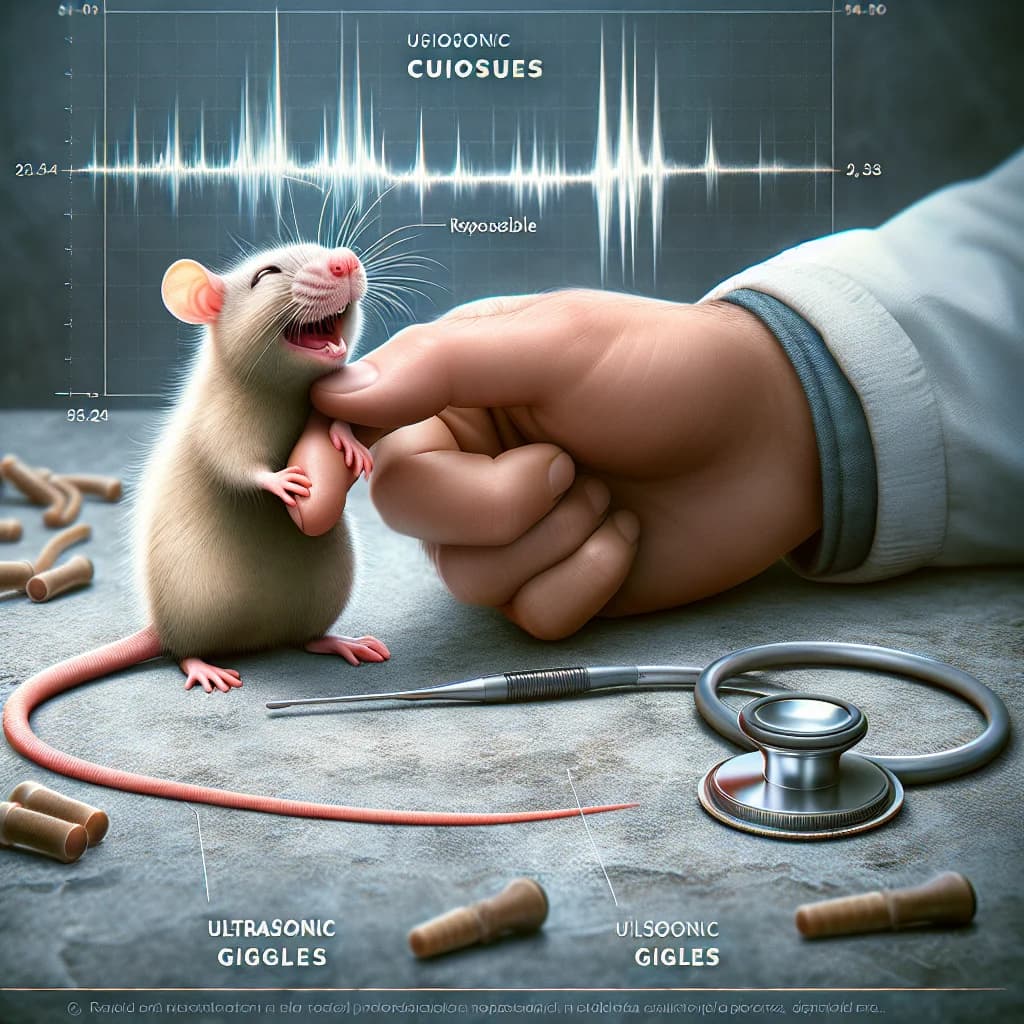
Why do pet rats perform a bizarre eye vibration called boggling when they are feeling extremely content
It might look like a scene from a sci-fi flick, but when a rat's eyes start to vibrate and bulge, it’s actually the ultimate sign of pure bliss. Discover the fascinating science behind "boggling" and why this bizarre behavior is the highest compliment a pet rat can give.


Too Long; Didn't Read
Rats boggle when they grind their teeth in extreme happiness, causing jaw muscle vibrations that physically pulse their eyes in and out of the sockets.
The Science of Happiness: Why Do Pet Rats Perform a Bizarre Eye Vibration Called Boggling When They Are Feeling Extremely Content?
For those unacquainted with the intricacies of rodent behavior, witnessing a pet rat’s eyes suddenly vibrate or pulse in and out of their sockets can be a startling experience. Known as "boggling," this unique physiological phenomenon is one of the most fascinating aspects of rat biology and communication. While it may look alarming to a first-time owner, boggling is actually a profound indicator of a rat’s emotional well-being. Understanding why do pet rats perform a bizarre eye vibration called boggling when they are feeling extremely content? is essential for any enthusiast looking to deepen their bond with these highly intelligent animals. This post explores the anatomical mechanisms behind boggling, its relationship to dental health, and what it reveals about the internal life of the domestic rat (Rattus norvegicus domestica).
The Anatomical Mechanism: Teeth, Muscles, and Orbits
To understand boggling, one must first understand "bruxing." Rats are hypsodonts, meaning their incisors grow continuously throughout their lives. To keep these teeth at a manageable length and maintain their sharpness, rats grind their upper and lower incisors together, a behavior known as bruxing.
The biological reason for boggling lies in the specific anatomy of the rat's skull. The large masseter muscle, which is responsible for moving the lower jaw during bruxing, passes directly behind the rat's eye sockets (the orbits). When a rat bruxes with extreme intensity—usually when they are reaching a peak state of relaxation—the rapid contractions of the jaw muscle cause the eyes to vibrate in sync with the movement of the jaw. Because the rat's eye sockets are relatively shallow, this muscular vibration causes the eyes to appear as though they are "popping" or pulsing.
Why Do Pet Rats Perform a Bizarre Eye Vibration Called Boggling When They Are Feeling Extremely Content?
While bruxing can occur during various emotional states, boggling is almost exclusively associated with high levels of contentment. Veterinary behaviorists often compare boggling to the purr of a cat or the wag of a dog’s tail, though it represents an even deeper level of "flow" or relaxation.
The Significance of Positive Reinforcement
When a rat feels safe, warm, and stimulated—perhaps while being stroked by a trusted owner or cuddling with a cage mate—their nervous system triggers a relaxation response. This leads to rhythmic bruxing, which, if intense enough, results in the boggling effect. It serves as a visual cue to researchers and owners that the animal is experiencing low cortisol levels and high psychological comfort.
A Marker of Social Bond
In the context of the human-animal bond, boggling is frequently observed during "scritching" (petting) or when a rat is nestled in an owner's pocket. It indicates a total lack of fear and a high level of trust, which is a significant behavioral milestone for a prey species.
Distinguishing Contentment from Stress
While boggling is overwhelmingly a sign of happiness, it is important for owners to observe the broader context of the behavior. In rare instances, rats may brux or boggle as a self-soothing mechanism when they are in pain or under extreme stress, similar to how a cat might purr while injured.
To determine if a rat is boggling out of joy, look for these accompanying signs of relaxation:
- Relaxed Body Posture: The rat is "pancaked" (lying flat) or leaning into the touch.
- Soft Eyes: The eyes may be half-closed before the boggling begins.
- Social Grooming: The rat may attempt to groom the owner’s fingers (manning).
- Environment: The rat is in a familiar, safe environment without sudden noises or threats.
If a rat is boggling while showing signs of lethargy, puffed-up fur (piloerection), or labored breathing, it is vital to consult a veterinarian, as the behavior may be a compensatory response to physical discomfort.
Summary of Rat Welfare and Enrichment
Understanding this bizarre but endearing behavior allows owners to better assess their pet's quality of life. Because boggling is a byproduct of intense bruxing, providing proper enrichment is key to seeing this behavior regularly. This includes:
- Chew Toys: Providing applewood sticks or pumice stones to encourage healthy bruxing.
- Social Interaction: Housing rats in pairs or groups, as they are obligate social animals.
- Safe Spaces: Offering hammocks and hides where they feel secure enough to reach a state of deep relaxation.
Conclusion
The phenomenon of boggling is a vivid reminder of the complex emotional lives of pet rats. By understanding why do pet rats perform a bizarre eye vibration called boggling when they are feeling extremely content?, owners can transition from being confused observers to informed caregivers who recognize the highest compliments their pets can pay them. This anatomical quirk, driven by the unique intersection of jaw muscles and eye sockets, serves as a biological "happy meter." Recognizing and encouraging the conditions that lead to boggling is a cornerstone of responsible rat husbandry. For those dedicated to the welfare of these social rodents, seeing a pair of vibrating eyes is the ultimate sign of a job well done in providing a loving, stress-free home.