Why do pet rats vibrate their eyeballs in a behavior known as boggling when they feel extremely content
Ever wondered why your rat’s eyes pulse and vibrate when they’re happy? Discover the fascinating science behind "boggling" and why this bizarre biological quirk is the ultimate sign of a rodent’s pure bliss.

Too Long; Didn't Read
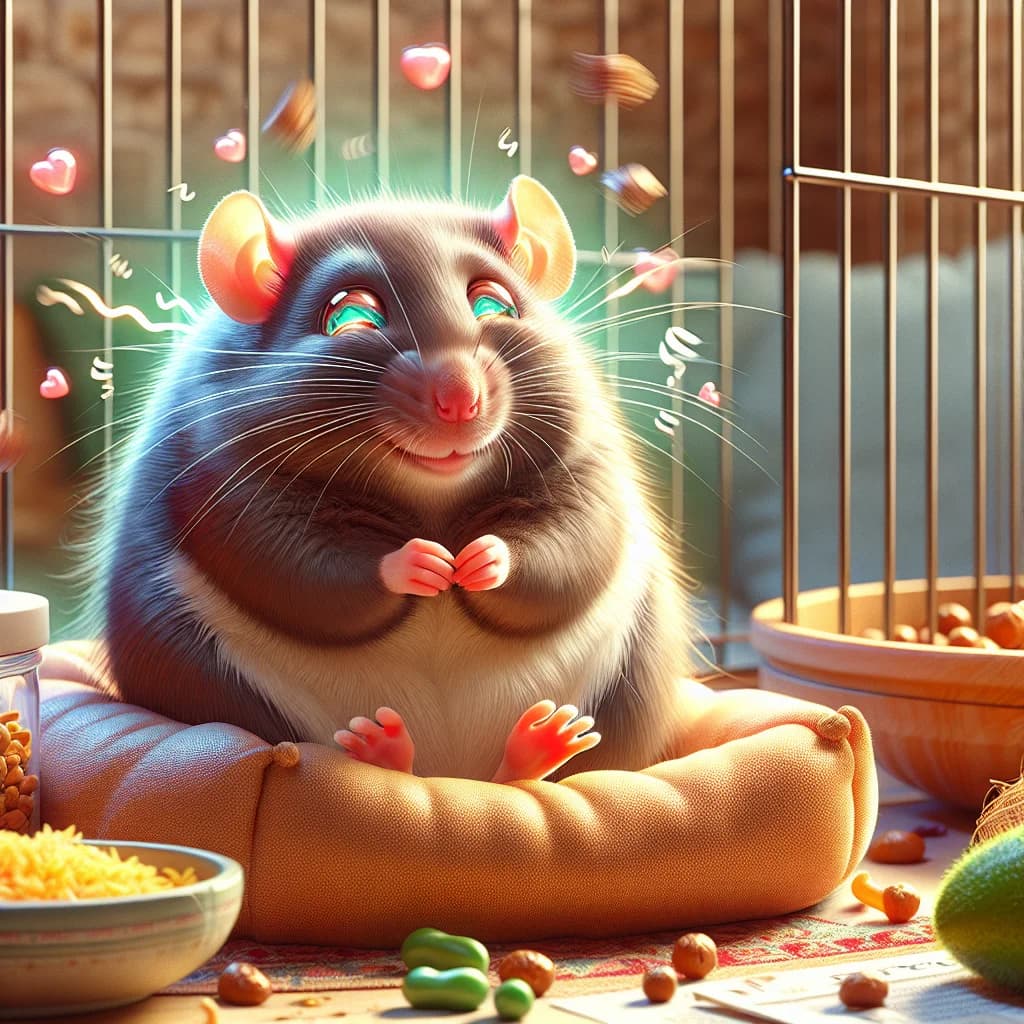
Pet rats vibrate their eyes, known as boggling, as a physical side effect of intense teeth grinding called bruxing. When a rat is extremely happy or relaxed, it grinds its incisors so rapidly that the jaw muscles—which pass directly behind the eye sockets—cause the eyeballs to pulse in and out. This unique behavior is a sign of pure contentment and physiological bliss.
The Science of Joy: Why Do Pet Rats Vibrate Their Eyeballs in a Behavior Known as Boggling When They Feel Extremely Content?
To the uninitiated, seeing a pet rat’s eyes rapidly vibrate and pulse in and out of their sockets can be a startling experience. Known as "boggling," this unique physiological phenomenon is one of the most distinctive traits of the fancy rat (Rattus norvegicus domestica). While it may look like a medical emergency to a first-time owner, boggling is actually one of the most profound displays of relaxation and happiness in the rodent world. Understanding this behavior requires a look into the unique anatomy of the rat and how their evolutionary biology has adapted to turn a necessary dental habit into a powerful emotional signal.
For rat enthusiasts, recognizing boggling is essential for assessing animal welfare and strengthening the human-animal bond. This blog post will explore the biological mechanics behind boggling, the relationship between dental health and emotional expression, and why do pet rats vibrate their eyeballs in a behavior known as boggling when they feel extremely content.
The Biological Mechanics: Bruxing and Boggling
To understand why a rat’s eyes vibrate, one must first understand "bruxing." Rats are hypselodonts, meaning their incisors grow continuously throughout their lives. To keep these teeth at a functional length and maintain their sharpness, rats grind their upper and lower incisors together. This behavior is called bruxing.
Boggling is the physical byproduct of intense bruxing. The anatomy of a rat's skull is specialized for gnawing; the large masseter muscles, which control the jaw, actually pass through the eye socket (the infraorbital canal) behind the eyeball. When a rat bruxes with extreme vigor—usually when they are reaching a state of high contentment—the rapid contractions of these jaw muscles cause the eyeballs to vibrate or "boggle" in rhythm with the teeth grinding.
The Anatomy of the Eye Socket
- The Masseter Muscle: This is the primary muscle involved in chewing. In rats, the deeper portion of this muscle travels behind the eye.
- The Infraorbital Canal: Unlike humans, a rat’s anatomy allows the jaw muscles to exert pressure directly behind the globe of the eye.
- The Result: When the muscle pulls the jaw up and down rapidly during bruxing, it pushes and pulls on the back of the eye, creating the vibrating effect known as boggling.
Why Do Rats Boggle When Content?
While bruxing can sometimes be a sign of stress or pain (similar to a cat purring to self-soothe), boggling is almost exclusively associated with positive "high-arousal" relaxation. When a rat is being petted, snuggling with a cage mate, or resting in a comfortable environment, their nervous system triggers a relaxation response.
Veterinary behaviorists note that this state of "extreme contentment" leads to rhythmic, relaxed bruxing. As the rat becomes more comfortable, the intensity of the bruxing increases, leading to the visible vibration of the eyes. In this context, boggling serves as a biological "happy meter," indicating that the rat feels safe and secure in its environment.
Evolutionary and Behavioral Context
From an evolutionary standpoint, the ability to grind teeth is a survival mechanism to prevent dental overgrowth, which could lead to malocclusion and starvation. However, in domestic rats, this behavior has been co-opted as a social signal.
Contentment vs. Stress
While boggling is generally positive, owners should observe the following context clues to differentiate between joy and discomfort:
- Relaxed Body Language: A happy boggling rat will have soft muscle tone, often "pancaking" (flattening their body) against a surface.
- Eye Position: During a happy boggle, the eyes are usually half-closed in a "sleepy" expression.
- Social Interaction: Boggling frequently occurs during "allogrooming" (rats grooming each other) or when interacting with a trusted human.
In contrast, if a rat is grinding its teeth but its body is tense, its hair is standing up (piloerection), or it is huddling in a corner, the bruxing may be a sign of pain or respiratory distress rather than contentment.
Conclusion
Understanding why do pet rats vibrate their eyeballs in a behavior known as boggling when they feel extremely content provides a fascinating window into the complex emotional lives of these intelligent rodents. Boggling is a remarkable intersection of anatomy and emotion, where the simple necessity of dental maintenance becomes a vivid expression of peace and security. By recognizing the difference between functional bruxing and the "happy boggle," owners can better monitor their pets' well-being and appreciate the deep bond they share with their animals. If you ever observe your rat boggling while you pet them, take it as the ultimate compliment—it is the highest sign of trust and happiness a rat can give. Always ensure your pet has a stress-free environment to encourage these moments of joy, and consult an exotic animal veterinarian if you notice any changes in their dental or ocular health.