Why do some pet parrots blush by increasing blood flow to their featherless cheek patches when they feel excited
Ever wondered if your parrot can "blush" with excitement just like a human? Uncover the surprising science behind these vivid facial flushes and what your bird is truly trying to tell you through their skin.

Too Long; Didn't Read
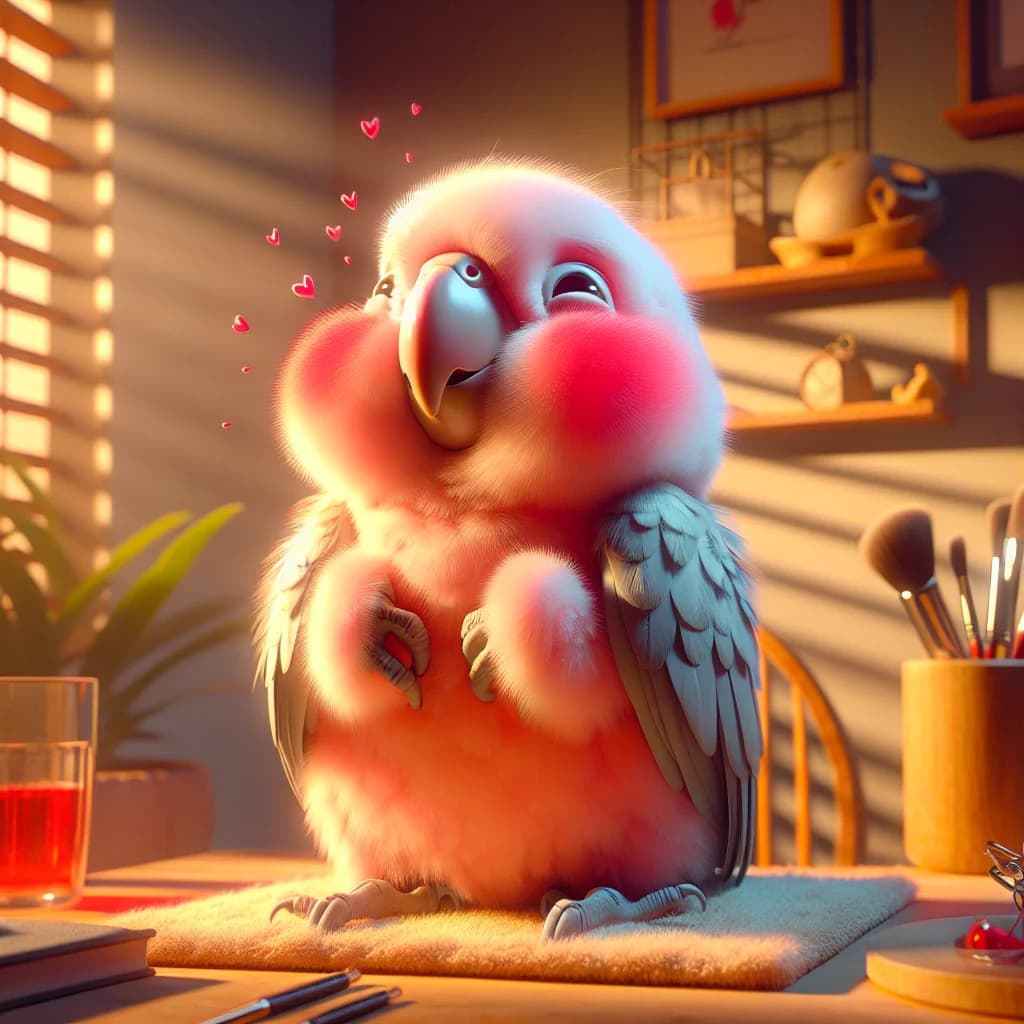
Parrots like Macaws blush on their bare cheek patches due to increased blood flow triggered by high emotional states such as excitement, stress, or social bonding. This physical reaction serves as a visual communication tool to signal their current mood and level of arousal to others.
The Science of Avian Emotion: Why Do Some Pet Parrots Blush by Increasing Blood Flow to Their Featherless Cheek Patches When They Feel Excited?
While parrots are renowned for their vibrant plumage and remarkable mimicry, some of their most fascinating communication happens where feathers are absent. In certain species, specifically the Blue-and-yellow Macaw (Ara ararauna), the bare skin surrounding the eyes and beak can undergo a rapid color transformation, shifting from pale white to a distinct rosy pink. This phenomenon, colloquially known as "blushing," is a complex physiological response that has captured the interest of avian behaviorists and pet owners alike. Understanding why do some pet parrots blush by increasing blood flow to their featherless cheek patches when they feel excited is essential for interpreting avian body language. This blog post explores the biological mechanisms and emotional drivers behind this unique trait, providing a science-based perspective on how these birds communicate through their skin.
Understanding the Anatomy: The Role of Featherless Cheek Patches
In the avian world, skin is typically obscured by feathers, which provide insulation and protection. However, several parrot species possess "malar" or facial patches—areas of skin that are either entirely bare or sparsely covered with tiny, hair-like feathers called filoplumes. These patches are highly vascularized, meaning they contain a dense network of tiny blood vessels (capillaries) situated very close to the surface of the dermis.
Because these areas lack the pigment and structural coverage of feathers, changes in the blood flow beneath the skin become immediately visible to the naked eye. In macaws, these patches act as a canvas for physiological changes, allowing observers to see the "blush" as blood rushes to the surface, a process scientifically known as vasodilation.
The Mechanism of Vasodilation and Emotional Arousal
The primary reason why parrots blush is the rapid increase in blood flow triggered by emotional or physiological arousal. When a parrot experiences a surge of emotion—whether it is excitement, frustration, or social bonding—its autonomic nervous system reacts.
- Vasodilation: This is the widening of blood vessels. When the bird is "aroused" (a term used in ethology to describe a state of heightened physiological activity), the capillaries in the cheek patches expand.
- Thermal Regulation vs. Emotion: While vasodilation is often used by animals for thermoregulation (cooling down), research indicates that in parrots, this specific facial flushing is more closely linked to their current emotional state rather than ambient temperature.
- The INRAE Study: A landmark 2018 study conducted by researchers at the French National Institute for Agricultural Research (INRAE) provided the first scientific evidence of this behavior. By observing captive Blue-and-yellow Macaws, researchers found that blushing occurred significantly more often during positive social interactions with keepers compared to periods of rest.
Decoding the Context: Is Blushing Always Positive?
For a pet owner, seeing a parrot blush can be a window into their bird's mind, but it is important to note that "excitement" is an umbrella term for various types of high-energy emotions. Blushing does not always mean a bird is happy; rather, it indicates that the bird is highly engaged with its environment.
Positive Arousal
In many cases, blushing occurs during "mutual preening" or when a parrot is interacting with a favorite human. This suggests a state of contentment and social bonding. During these moments, the blush is often accompanied by ruffled head feathers, which is another sign of a relaxed, positive emotional state.
Negative or Protective Arousal
Conversely, a blush can occur during moments of stress or agitation. If a parrot feels threatened or is preparing for a confrontation, the increased blood flow prepares the body for action. In these instances, the blush might be accompanied by pinned pupils (rapidly dilating and contracting) and a defensive stance.
Practical Guidelines for Parrot Owners
Understanding this physiological trait allows owners to provide better husbandry and emotional care. Here are a few ways to apply this knowledge:
- Monitor Interactions: If your macaw blushes during training, it indicates high engagement. If they also begin to show signs of over-stimulation (like nipping), it may be time to take a break.
- Assess Bonding: Frequent blushing during quiet social time is often a sign of a strong, positive bond between the bird and the owner.
- Health Checks: While blushing is normal, persistent or permanent redness in the cheek patches can sometimes indicate inflammation or infection. Always consult an avian veterinarian if the skin appears irritated or if the "blush" does not subside.
Conclusion
The ability of certain parrots to blush by increasing blood flow to their featherless cheek patches is a remarkable example of avian evolution and communication. Rather than being a mere curiosity, this physiological response serves as a vital indicator of a bird's internal emotional state. By recognizing the science behind why do some pet parrots blush by increasing blood flow to their featherless cheek patches when they feel excited, owners can deepen their human-animal bond and improve the welfare of their feathered companions. Observing these subtle shifts in color allows for a more empathetic and responsive approach to parrot care, ensuring these intelligent creatures feel understood in their domestic environments. For further insights into avian health, always rely on evidence-based research and professional veterinary guidance.