Why do some pet turtles survive underwater hibernation by breathing through their butts using cloacal respiration
It sounds like a bizarre playground myth, but some turtles actually survive the winter by "breathing" through their backsides. Discover the fascinating science behind cloacal respiration and how this strange biological superpower keeps your shelled friends alive under the ice.

Too Long; Didn't Read
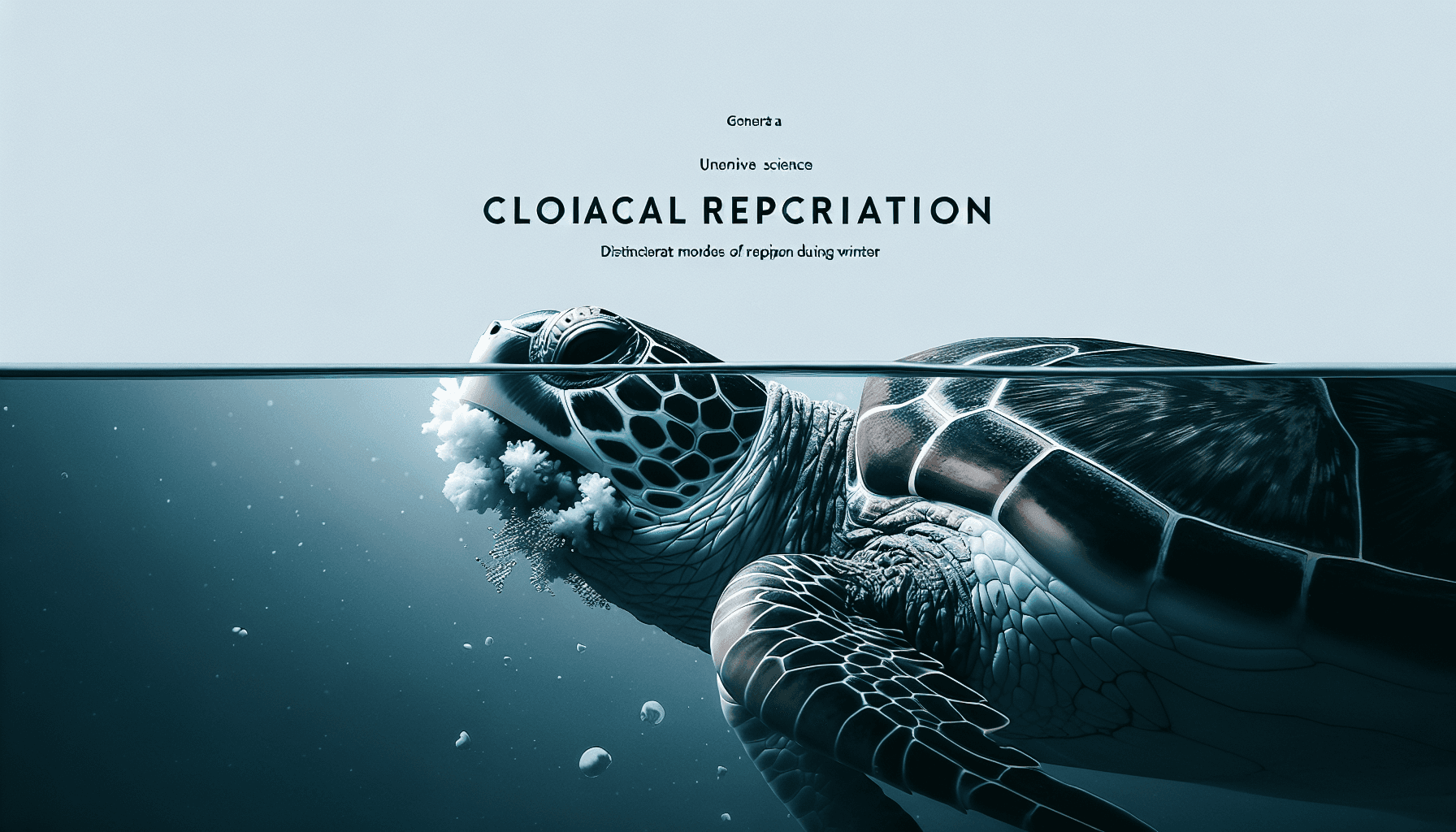
Some turtles survive underwater hibernation by slowing their metabolism and absorbing oxygen through a specialized opening called the cloaca. This process, known as cloacal respiration, uses a high concentration of blood vessels to extract oxygen directly from the water, allowing them to stay submerged for months without surfacing for air.
The Secret to Survival: Why Do Some Pet Turtles Survive Underwater Hibernation by Breathing Through Their Butts Using Cloacal Respiration?
Imagine spending four months submerged at the bottom of a frozen pond without ever surfacing for a breath of air. For most air-breathing vertebrates, this would be a death sentence, but for many species of North American turtles, it is a standard winter routine. This extraordinary feat of survival is made possible by a biological phenomenon known as brumation—the cold-blooded version of hibernation—and a highly specialized process called cloacal respiration.
Understanding why do some pet turtles survive underwater hibernation by breathing through their butts using cloacal respiration is not just a matter of biological curiosity; it is essential for herpetologists and pet owners alike to ensure the welfare of these resilient reptiles. This post will explore the fascinating science behind this "butt-breathing" adaptation, the metabolic shifts that occur during winter, and how this unique anatomy keeps turtles alive in oxygen-depleted environments.
Understanding Brumation: The Deep Chill
Turtles are ectotherms, meaning their body temperature is regulated by their environment. When temperatures drop in the late autumn, their metabolism slows down significantly—sometimes by as much as 95%. This state is known as brumation. Because their energy needs are so low in this state, they do not require nearly as much oxygen as they do during the active summer months.
However, they still need some oxygen to keep their vital organs functioning. When a pond freezes over, turtles cannot surface to use their lungs. To solve this, they turn to an unconventional method of gas exchange that bypasses the lungs entirely.
What is Cloacal Respiration?
The term "breathing through their butts" is a colloquialism for cloacal respiration. To understand this, one must first understand the cloaca. In reptiles, the cloaca is a single all-purpose opening used for digestive, urinary, and reproductive functions.
The Anatomy of the Cloaca
The cloaca is lined with a dense network of blood vessels (capillaries). In species like the Painted Turtle (Chrysemys picta) or the Fitzroy River Turtle, the cloaca features specialized sacs called bursae. These sacs can be expanded and contracted, pumping water in and out. As water moves across the highly vascularized lining of the cloaca, oxygen molecules are absorbed directly into the bloodstream through diffusion, while carbon dioxide is expelled back into the water.
The Chemistry of Underwater Survival
While cloacal respiration is efficient at low temperatures, it often cannot provide 100% of the turtle's needs if the water is particularly low in oxygen (hypoxic). In these cases, turtles demonstrate another incredible survival mechanism: anaerobic metabolism.
- Lactic Acid Management: When oxygen runs low, the turtle’s body begins to break down stored fats and sugars without oxygen, which produces lactic acid. In most animals, high levels of lactic acid are fatal.
- The Shell as a Buffer: To survive this "acidosis," turtles utilize their own shells. The turtle’s shell and skeleton release calcium and magnesium carbonates into the bloodstream. these minerals act as a buffer, neutralizing the lactic acid and preventing the turtle from becoming too acidic to survive.
Species Variations and Pet Care
Not all turtles are equally adept at cloacal respiration. For example, the Painted Turtle is a master of this process, whereas other common pets, like the Red-Eared Slider, are slightly less efficient and may rely more heavily on anaerobic pathways.
For pet owners, understanding this biology is critical if you plan to hibernate your turtle outdoors:
- Water Quality: Oxygen must be present in the water for cloacal respiration to work. Stagnant, polluted water can lead to "winterkill."
- Temperature Stability: If the water becomes too warm, the turtle’s metabolism will spike, demanding more oxygen than cloacal respiration can provide.
- Post-Brumation Care: When turtles emerge in the spring, they are often "loaded" with lactic acid and must bask immediately to use solar heat to speed up their metabolism and clear these metabolic byproducts.
Conclusion
The ability of certain turtles to survive underwater hibernation by breathing through their butts using cloacal respiration is one of nature’s most ingenious adaptations. By leveraging the vascular efficiency of the cloaca and the chemical buffering capacity of their shells, these reptiles have conquered environments that would be inhospitable to almost any other air-breathing creature.
For the responsible pet owner, appreciating these complex biological systems highlights the importance of maintaining precise environmental conditions during the winter months. Whether you are a dedicated hobbyist or a casual animal lover, the turtle’s unique approach to survival serves as a powerful reminder of the diverse and surprising ways life adapts to the challenges of the natural world. Always consult with a specialized exotics veterinarian before attempting to brumate a pet turtle to ensure they have the health and fat reserves necessary for this incredible journey.