Why do your dog's paws often smell exactly like corn chips or salty popcorn
Ever wondered why your pup’s paws smell exactly like a fresh bag of Fritos? Uncover the surprising science behind "Frito Feet" and find out what those salty-smelling toes are actually telling you about your dog’s health.

Too Long; Didn't Read
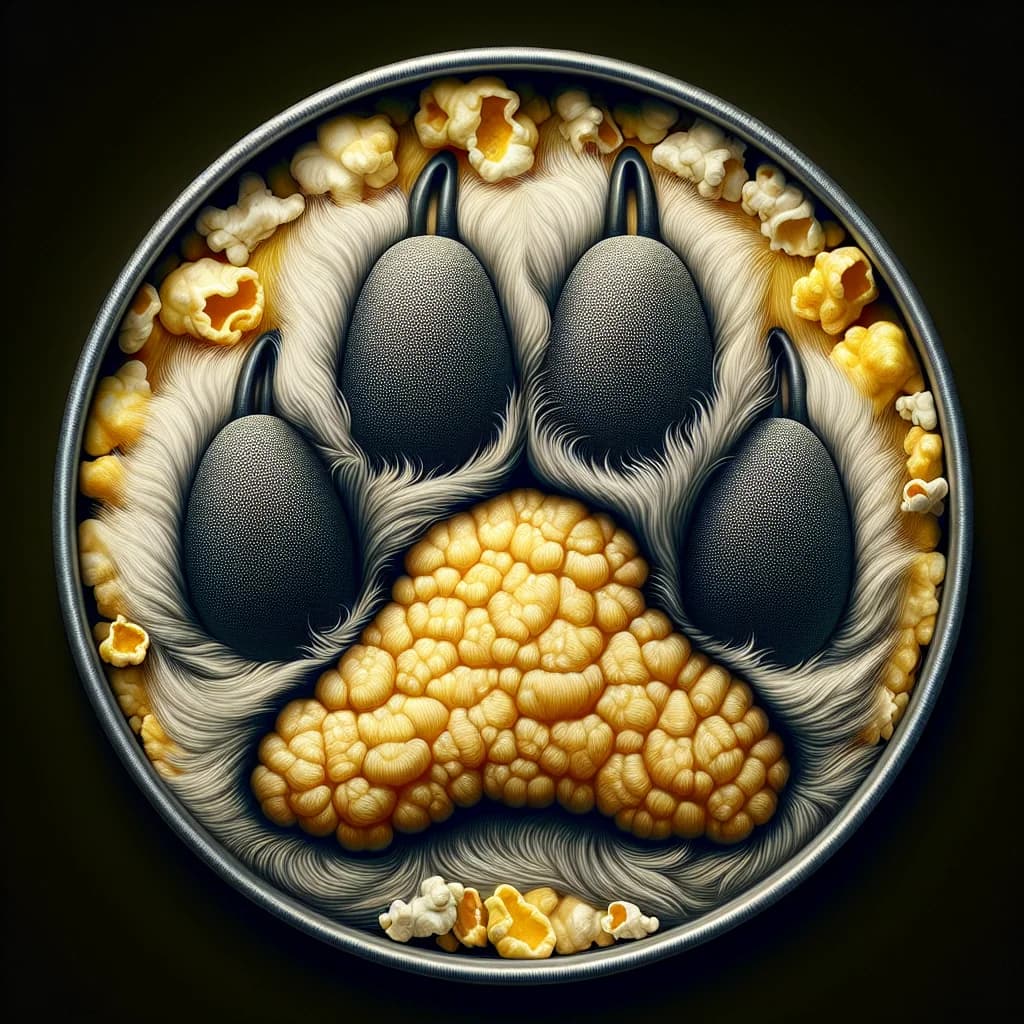
Dog paws smell like corn chips due to common bacteria like Pseudomonas and Proteus that thrive in the warm, moist environment between their toes. These microbes release a yeasty scent as they multiply, which is a normal and harmless part of a dog's natural microbiome.
Frito Feet Explained: Why Do Your Dog's Paws Often Smell Exactly Like Corn Chips or Salty Popcorn?
Have you ever been relaxing with your canine companion, only to catch a distinct whiff of snack food emanating from their feet? This phenomenon is so common that it has earned the affectionate nickname "Frito Feet" among pet owners worldwide. While it may seem like a quirky behavioral trait or a mystery of domestication, the reason behind this scent is rooted deeply in microbiology and canine anatomy. Understanding the source of this yeasty aroma is more than just a curiosity; it is an essential part of monitoring your dog’s dermatological health and maintaining the human-animal bond through proactive care. This blog post explores the scientific reasons why do your dog's paws often smell exactly like corn chips or salty popcorn and explains how to distinguish a natural scent from a potential health concern.
The Microbiome of the Paw: Meet the Bacteria
The primary reason a dog’s paws take on a corn-chip-like aroma is the presence of specific bacteria and fungi that live naturally on the skin. Even the cleanest dog carries a diverse ecosystem of microbes. The two most common culprits behind the salty, yeasty scent are Proteus and Pseudomonas.
- Proteus Bacteria: These bacteria are well-known in veterinary microbiology for producing a distinct, sweet, corn-like odor. They are ubiquitous in the environment and frequently find a home on the organic surfaces of a dog's foot.
- Pseudomonas Bacteria: This genus can produce a scent that many people describe as slightly fruity or similar to roasted nuts or popcorn.
- Yeast (Malassezia): Alongside bacteria, natural yeasts live on the skin. When combined with the moisture found between a dog's toes, these organisms multiply, contributing to the "yeasty" or "baked goods" smell associated with salty popcorn.
Why the Paws? Anatomy and Moisture
You might wonder why the rest of your dog doesn't smell like a snack aisle. The answer lies in the unique anatomy of the canine foot. Unlike humans, who have eccrine sweat glands across most of their bodies, dogs primarily cool themselves through panting. However, they do possess merocrine glands located in their paw pads.
These glands produce sweat, which provides the perfect level of moisture to trigger microbial activity. Furthermore, the skin between the pads is often covered in tufts of fur, creating a warm, humid, and low-oxygen environment. This "microclimate" acts as a natural petri dish where Proteus and Pseudomonas thrive. Because dogs frequently lick their paws, they introduce additional moisture and oral bacteria into the mix, further intensifying the fermentation-like process that creates the corn chip scent.
When the Scent Signals a Problem
In the vast majority of cases, "Frito Feet" is entirely normal and a sign of a healthy, natural microbiome. However, animal science practitioners recommend monitoring for changes in the intensity of the odor. If the smell becomes overwhelming or is accompanied by certain physical signs, it may indicate an overgrowth or infection known as pododermatitis.
Watch for the following symptoms:
- Inflammation: Redness or swelling between the toes or on the pads.
- Excessive Licking: If a dog is obsessively chewing or licking their feet, it suggests itchiness or pain.
- Discharge: Any oozing, crusting, or pus is a sign of a bacterial or fungal infection.
- Changes in Texture: Flaky skin or thickened, "crusty" pads.
If these signs are present, the corn chip smell is likely no longer benign, and a consultation with a veterinarian is necessary to rule out allergies or parasitic infections like mites.
Tips for Healthy Paw Maintenance
While you cannot (and should not) completely sterilize your dog's paws, regular maintenance can keep the microbial population in check and reduce the intensity of the odor.
- Trim the "Toe Floof": Keeping the hair between the pads trimmed reduces the amount of trapped moisture and debris.
- Regular Cleaning: After walks, especially in damp weather, dry your dog's paws thoroughly. A gentle, pet-safe wipe can remove excess environmental bacteria.
- Balanced Diet: Skin health starts from within. High-quality fats like Omega-3 fatty acids support the skin barrier, making it more resistant to pathogenic overgrowth.
Conclusion
The mystery of why do your dog's paws often smell exactly like corn chips or salty popcorn is solved by looking at the fascinating intersection of microbiology and canine physiology. It is a natural byproduct of Proteus and Pseudomonas bacteria interacting with the sweat and warmth of the paw pads. Understanding this phenomenon allows pet owners to appreciate the complex biological world their dogs inhabit while remaining vigilant about their health. By maintaining a routine of cleaning and observation, you ensure that your dog's "Frito Feet" remain a harmless quirk rather than a medical issue. Always prioritize regular veterinary check-ups to ensure your companion's skin and coat remain in peak condition.