Why does a cat's biological sex often determine whether they are left-pawed or right-pawed
Is your feline friend a "southpaw" or a "rightie"? Discover the fascinating biological link between a cat’s sex and their paw preference—and what it reveals about how their brain is wired.

Too Long; Didn't Read
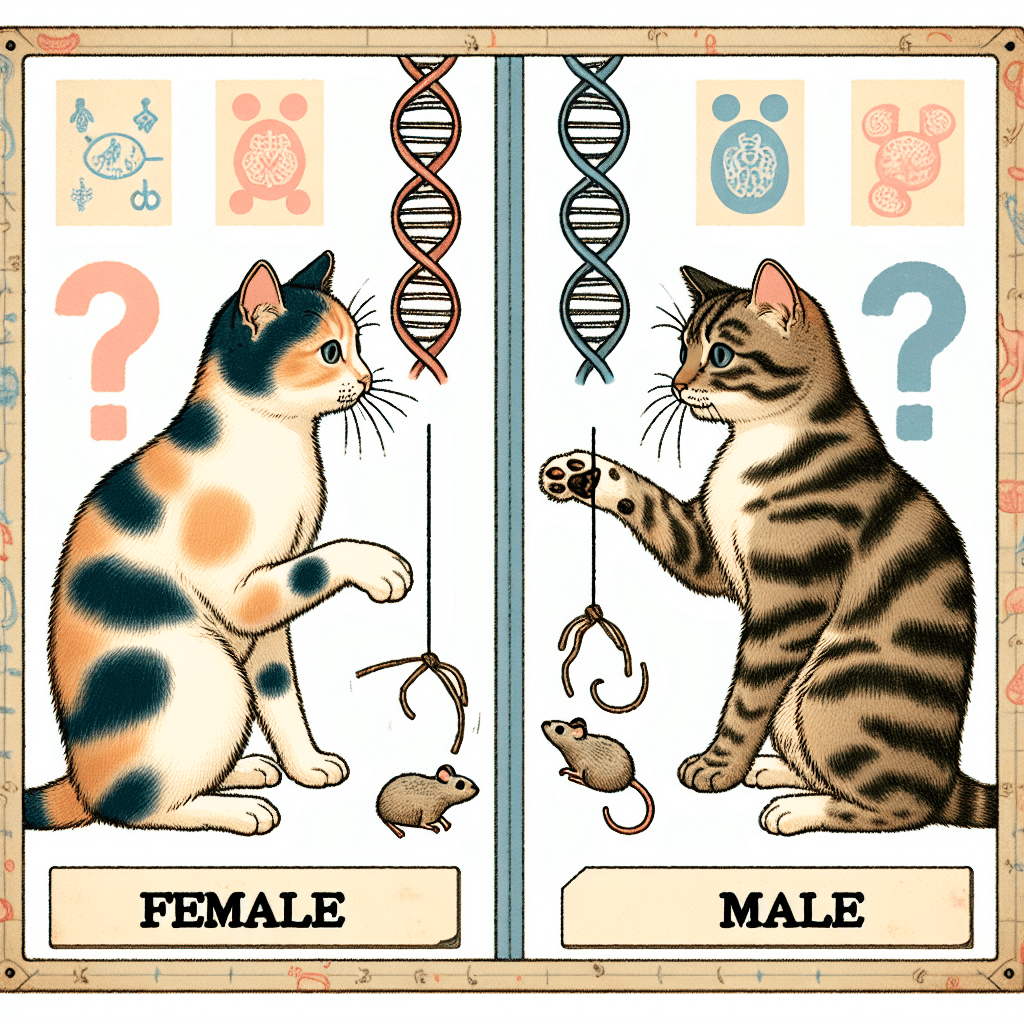
Research indicates that male cats are predominantly left-pawed while females are typically right-pawed. This lateralization is largely attributed to hormonal differences and brain structure, as sex hormones influence how neural pathways develop and function during motor tasks.
Paws and Personalities: Why Does a Cat’s Biological Sex Often Determine Whether They Are Left-Pawed or Right-Pawed?
Have you ever watched your cat bat at a feathered toy or reach into a narrow space for a piece of kibble and wondered if they have a preferred hand—or rather, paw? Just like humans, who are predominantly right-handed, members of the animal kingdom exhibit "lateralization," which is the tendency for one side of the brain to dominate specific motor tasks. In the feline world, this phenomenon is particularly intriguing because it is not evenly distributed across the species. Recent ethological studies have revealed a striking correlation between a cat's biological sex and their paw preference. Understanding why does a cat's biological sex often determine whether they are left-pawed or right-pawed? offers a fascinating window into feline neurobiology, helping owners better understand the cognitive and emotional lives of their companions. This blog post explores the scientific evidence linking sex to motor lateralization and what it means for feline welfare.
Understanding Lateralization in Cats
In biology, lateralization refers to the functional specialization of the brain's two hemispheres. The left hemisphere typically controls the right side of the body and is associated with routine behaviors and "pro-social" responses. Conversely, the right hemisphere controls the left side and is often linked to processing novel stimuli, intense emotions, and flight-or-fight responses.
While roughly 90% of humans are right-handed, cats display a more balanced distribution, though individuals usually show a strong preference when performing complex tasks. Scientists measure this by observing "forced-choice" scenarios, such as:
- Reaching for food inside a glass jar.
- Stepping over an obstacle.
- Reaching for a toy suspended above the head.
The Sex Link: Males vs. Females
Research conducted by animal behaviorists, most notably at Queen’s University Belfast, has identified a consistent pattern: biological sex is a significant predictor of paw preference. In these studies, male cats showed a statistically significant preference for using their left paw (making them "southpaws"), while female cats were overwhelmingly right-pawed.
The Findings
Data from longitudinal studies suggest that approximately 75% of cats show a distinct paw preference when challenged with complex motor tasks. When the data is parsed by sex:
- Female Cats: Predominantly use the right paw for stabilizing themselves or retrieving objects.
- Male Cats: Predominantly use the left paw for the same activities.
- Ambidextrous Cats: A smaller percentage of cats show no preference, though these individuals are often observed to be more reactive to environmental stressors.
The Role of Prenatal Hormones and Brain Architecture
The leading scientific theory regarding this sex-based divide centers on "the lateralization of the brain" during fetal development. Veterinary researchers believe that prenatal exposure to sex hormones—specifically testosterone in males and estrogen in females—influences how the brain's hemispheres develop and communicate.
High levels of testosterone are thought to slow the growth of the left hemisphere, potentially leading to a more dominant right hemisphere and, consequently, a preference for the left side of the body. Because this hormonal environment differs strictly between biological males and females, the resulting motor preferences follow suit. Interestingly, this preference is most visible during "spontaneous" behaviors that require cognitive effort, rather than simple movements like walking.
Behavioral and Welfare Implications
The link between sex and paw preference isn't just a biological curiosity; it has practical implications for animal science and husbandry. Lateralization is often an indicator of how an animal processes stress.
Stress and Reactivity
Research suggests that "left-pawed" individuals (predominantly males) may process information more heavily in their right hemisphere. In many species, right-hemisphere dominance is associated with higher levels of vigilance and a more cautious or reactive temperament. Conversely, "right-pawed" individuals (predominantly females) may be more "left-brain dominant," which is often linked to calmer, more exploratory behaviors.
Practical Enrichment for Your Cat
Knowing your cat’s paw preference can help you tailor their environment:
- Puzzle Feeders: Place openings in positions that favor your cat’s dominant side to reduce frustration during training.
- Observation: Tracking which paw your cat uses to step into a litter box or tap a toy can provide insights into their neurological "hard-wiring."
Conclusion
The discovery that a cat’s biological sex often determines their paw preference highlights the complex relationship between hormones, brain structure, and behavior. While males lean toward the left and females toward the right, these preferences are more than just quirky habits—they are reflections of the specialized way a cat’s brain processes the world. Recognizing these biological traits allows pet owners to foster a deeper bond with their feline companions by appreciating the unique evolutionary path of the species. As we continue to study feline lateralization, it serves as a reminder that even the smallest movements of our pets are rooted in deep-seated biological truths. For those interested in their cat’s specific traits, simple home observations can be a rewarding way to engage with the science of animal behavior.