Why is a pet dog’s nose pattern so unique that it can be used for official identification
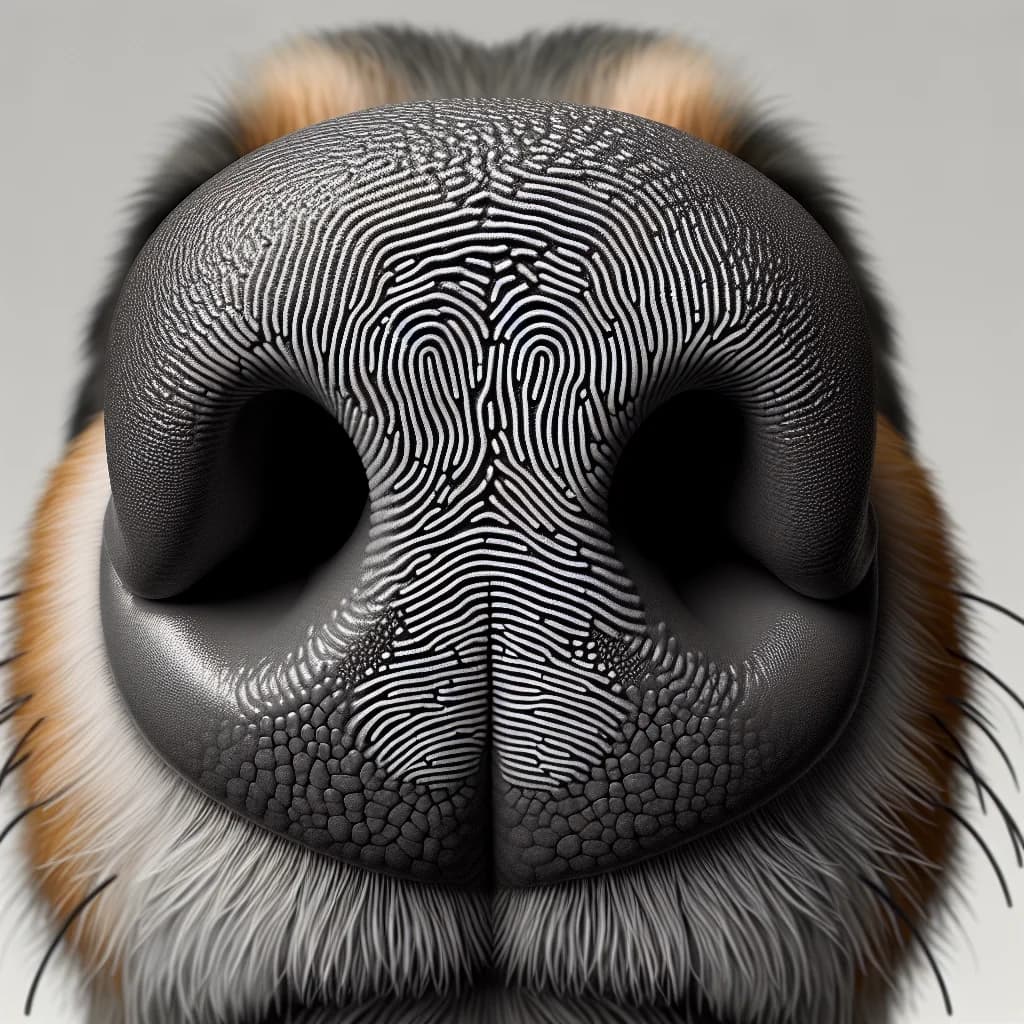
Just like a human fingerprint, your dog’s nose features a completely unique pattern of ridges and creases that can never be replicated. Discover the incredible science behind this biological "ID card" and why it’s becoming the new gold standard for pet identification.

Too Long; Didn't Read
Just like human fingerprints, a dog's nose features a unique pattern of ridges and creases that remains unchanged throughout its life. This distinct texture provides a permanent, non-invasive method for individual identification and pet recovery.
The Canine Fingerprint: Why is a pet dog’s nose pattern so unique that it can be used for official identification?
Imagine if your dog carried a permanent, unalterable identification card right on the tip of their snout. While pet owners typically rely on collars, tags, and microchips to keep their companions safe, nature has provided an even more intricate biological solution. The specialized skin on a dog's nose features a complex arrangement of ridges and valleys that are entirely unique to the individual. Just as human fingerprints have been the gold standard for personal identification for over a century, a dog's nose print serves as a definitive biometric marker. Understanding why is a pet dog’s nose pattern so unique that it can be used for official identification is essential for modern animal welfare, as it offers a non-invasive and foolproof method for recovery and record-keeping. This post explores the biological science behind these patterns and their growing role in pet security.
The Anatomy of the Rhinarium
The hairless, pigmented skin at the end of a dog's snout is scientifically known as the rhinarium. To the naked eye, it may look like a simple, moist surface, but under closer inspection—or through a macro lens—it reveals a landscape of "dermal ridges." These ridges form distinctive patterns of dots, lines, and polygons.
The structure of the rhinarium is determined by the arrangement of dermal papillae, which are small, nipple-like protrusions of the dermis into the epidermis. In dogs, these papillae create a topographical map that is set during embryonic development. Much like human fingerprints, these patterns are not merely superficial; they are deeply embedded in the skin's structure, ensuring they remain consistent throughout the animal's life.
Why No Two Noses Are Alike
The uniqueness of a canine nose print is rooted in a combination of genetics and "developmental noise" within the womb. While a dog's breed might influence the general shape of the nose, the specific arrangement of the ridges is stochastic, meaning it is randomly determined during growth.
- Biological Variance: Even in a litter of genetically identical clones or identical twins, the fine details of the nose print will differ.
- Stability Over Time: Research in veterinary morphology confirms that once these patterns are formed, they do not change with age. Aside from severe scarring or specific dermatological diseases, the pattern a puppy is born with is the same pattern it will carry into adulthood.
- Complex Geometry: The sheer number of intersections, ridge endings, and pores creates a mathematical probability of duplication so low that it is considered impossible for two dogs to share the exact same print.
Historical and Modern Applications in Identification
The use of nose prints for identification is not a new concept. As early as the 1930s, the Canadian Kennel Club began utilizing nose printing as a reliable way to verify the identity of registered show dogs and to prevent fraud. Traditionally, this was done using a simple ink pad and paper, much like human fingerprinting.
In the modern era, technology has replaced ink with high-resolution digital scanning and Artificial Intelligence (AI). Several animal tech companies have developed smartphone applications that allow owners to scan their dog's nose. These apps use computer vision algorithms to map the specific "minutiae points" of the nose pattern. This digital signature is then stored in a database. If a lost dog is found, a quick scan of its nose can immediately match it to its owner, providing a layer of security that cannot be lost like a collar or malfunction like a microchip.
Comparison with Other Identification Methods
While microchipping is the current standard for permanent pet ID, it is not without limitations. Microchips are invasive, requiring a needle for insertion, and they can occasionally migrate from their original site or become difficult to read with certain scanners.
In contrast, nose print identification is:
- Non-Invasive: It requires no needles or surgical procedures.
- External: It can be captured with a standard smartphone camera.
- Tamper-Proof: Unlike a collar or tag, the nose print cannot be removed or altered by a third party.
Veterinary professionals often view biometric scanning as a powerful secondary tool to complement microchipping, ensuring a multi-layered approach to pet safety.
Conclusion
A dog’s nose is more than just a powerful sensory organ designed for tracking scents; it is a sophisticated biological signature. The intricate, immutable patterns of the rhinarium provide a level of individual detail that is as reliable as a human fingerprint. Understanding why is a pet dog’s nose pattern so unique that it can be used for official identification allows us to appreciate the incredible biological diversity of our canine companions and the technological advancements protecting them. By embracing these unique biometric traits, pet owners can utilize more effective and non-invasive methods to ensure their animals are never truly lost. For those interested in the latest in pet safety, exploring digital nose-print registration is an excellent step toward responsible and modern animal guardianship.