Why is it biologically impossible for a horse to vomit even if it eats something toxic
While most animals rely on vomiting as a life-saving reflex, a horse’s anatomy is physically built without a "reverse" gear. Discover the fascinating biological quirk that makes their digestive system a strictly one-way street—even when it's a matter of life or death.

Too Long; Didn't Read
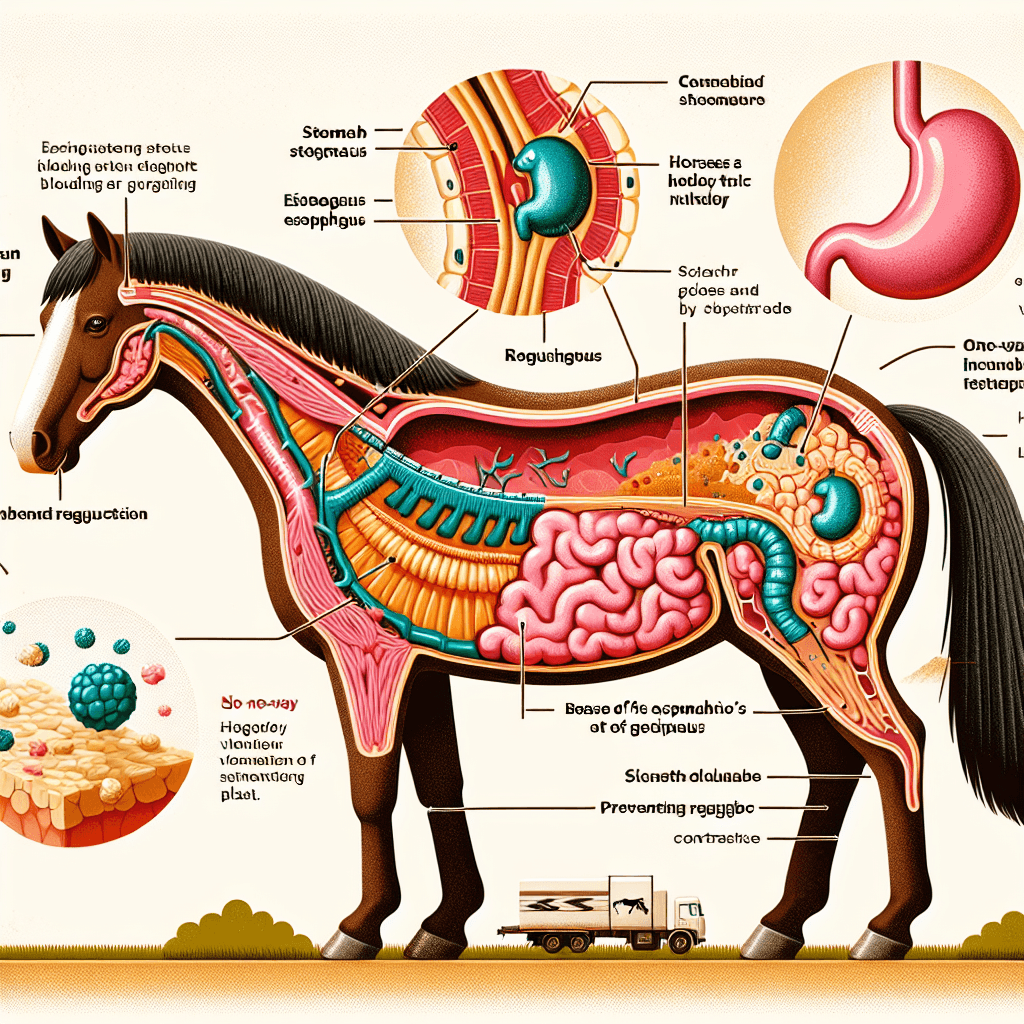
Horses cannot vomit due to a powerful one-way muscle at the stomach entrance and a sharp esophageal angle that seals tighter when the stomach is full. This physical barrier prevents food from traveling backward, making horses highly susceptible to fatal stomach ruptures if they ingest toxic or excessive substances.
The One-Way Street: Why is it Biologically Impossible for a Horse to Vomit Even if it Eats Something Toxic?
For most mammals, the act of vomiting is a vital, albeit unpleasant, survival mechanism. It serves as the body’s "emergency exit," allowing the digestive system to expel toxic substances, spoiled food, or irritants before they can cause systemic harm. However, the horse is a remarkable biological exception. Despite their size and strength, horses possess a digestive system that functions strictly as a one-way street. This physiological quirk means that once a horse swallows something—whether it is a poisonous weed or an excess of fermentable grain—it cannot be physically regurgitated. Understanding why is it biologically impossible for a horse to vomit even if it eats something toxic is fundamental to equine husbandry and highlights the specialized evolutionary path this species has taken.
The Anatomy of a One-Way System
The primary reason horses cannot vomit lies in the unique structure of their upper digestive tract. Specifically, several anatomical "fail-safes" prevent the reverse flow of gastric contents.
The Power of the Lower Esophageal Sphincter (LES)
In humans, the lower esophageal sphincter is a ring of muscle that relaxes to allow food into the stomach and can open under pressure to allow for vomiting. In horses, this sphincter is exceptionally powerful. It acts as a heavy-duty one-way valve. The muscle fibers of the LES in a horse are much thicker than those found in other species, and they remain tightly constricted except during the specific act of swallowing. Veterinary studies have shown that the pressure within the equine stomach would likely rupture the stomach wall before it could force this sphincter open from the inside.
The Oblique Angle of Entry
The way the esophagus joins the stomach is another critical factor. The equine esophagus enters the stomach at a very sharp, oblique angle. When the horse's stomach becomes distended with food, gas, or fluid, the pressure of the stomach’s contents actually pushes against the entry point of the esophagus, forcing it closed even tighter. This creates a physical seal that becomes more impenetrable as the internal pressure increases.
The Role of the Soft Palate and Neural Pathways
Beyond the stomach valve, the horse’s throat and brain are also wired differently. Horses are "obligate nasal breathers," meaning they breathe primarily through their nose. Their soft palate is long and creates a tight seal over the back of the oral cavity. While this is an advantage for preventing the inhalation of food particles while grazing and running, it makes the passage of material from the stomach back out through the mouth nearly impossible.
Furthermore, horses lack the neurological "vomit reflex" located in the brainstem. In species that can vomit, a complex coordination of the diaphragm, abdominal muscles, and the esophagus is triggered by the brain. In horses, these neural pathways are either absent or non-functional for the purpose of emesis (vomiting).
Evolutionary Advantages and Risks
From an evolutionary perspective, the inability to vomit may have been a trade-off for the horse’s lifestyle as a cursorial (running) grazer.
- Running and Reflux: Evolution favored a digestive system that could remain stable during high-speed movement. If a horse had a loose esophageal sphincter, the intense pressure of galloping could cause stomach acid and contents to reflux into the esophagus and lungs, hindering the animal’s ability to escape predators.
- Grazing Efficiency: Horses evolved to eat small amounts of forage continuously. Their system is designed for a steady flow of fiber rather than the processing of large, potentially toxic "meals" that would necessitate a purge reflex.
However, this specialization comes with a significant risk: Colic. Because horses cannot expel gas or toxic material through the mouth, any digestive upset must travel the full length of the 100-foot intestinal tract. If a horse consumes something toxic or if the stomach becomes overfilled, the pressure can lead to a gastric rupture, which is almost always fatal.
Evidence-Based Guidelines for Care
Because horses lack this safety mechanism, owners must be hyper-vigilant regarding their diet and environment.
- Pasture Management: Regularly scout pastures for toxic plants like Red Maple, Yew, or Oleander, as the horse cannot "reject" these once they reach the stomach.
- Controlled Feeding: Avoid sudden changes in diet or overfeeding grain, which can lead to rapid fermentation and gas buildup in the stomach.
- Prompt Intervention: Since a horse cannot vomit to relieve pressure, signs of abdominal pain (pawing, rolling, or looking at the flanks) must be treated as a veterinary emergency.
Conclusion
Understanding why is it biologically impossible for a horse to vomit even if it eats something toxic reveals the delicate balance of equine physiology. While their "one-way" digestive system likely evolved to support their incredible athletic capabilities, it leaves them uniquely vulnerable to dietary indiscretions. This biological reality underscores the importance of meticulous feeding practices and proactive environmental management. By recognizing that the horse lacks a common mammalian safety net, owners and caretakers can better appreciate the specialized needs of these animals and ensure they remain healthy, safe, and free from the life-threatening complications of gastric distress. Always consult with a qualified equine veterinarian if you suspect your horse has ingested something harmful or is showing signs of discomfort.