Why is your cat's tongue covered in tiny hooked barbs made of the same protein as their claws
Ever wondered why a feline lick feels like sandpaper? Discover the hidden superpowers behind those tiny, claw-like barbs and how they turn your cat’s tongue into a high-tech survival tool.

Too Long; Didn't Read
Cats have keratin barbs on their tongues called papillae, which function as a built-in comb to groom fur, strip meat from bones, and help regulate body temperature through saliva distribution.
The Science of Sandpaper: Why is your cat's tongue covered in tiny hooked barbs made of the same protein as their claws?
If you have ever received an affectionate lick from a feline companion, you likely noticed that the experience feels less like a smooth caress and more like a piece of coarse sandpaper. This unique sensation is caused by hundreds of microscopic, backward-facing hooks known as filiform papillae. While they might feel abrasive to human skin, these structures are a masterpiece of biological engineering. Understanding why is your cat's tongue covered in tiny hooked barbs made of the same protein as their claws? is essential for any pet owner, as it provides a window into feline evolution, hygiene, and survival. This blog post will explore the anatomical structure, the specialized protein composition, and the multi-functional roles these barbs play in the daily life of a cat.
The Biological Blueprint: Keratin and Papillae
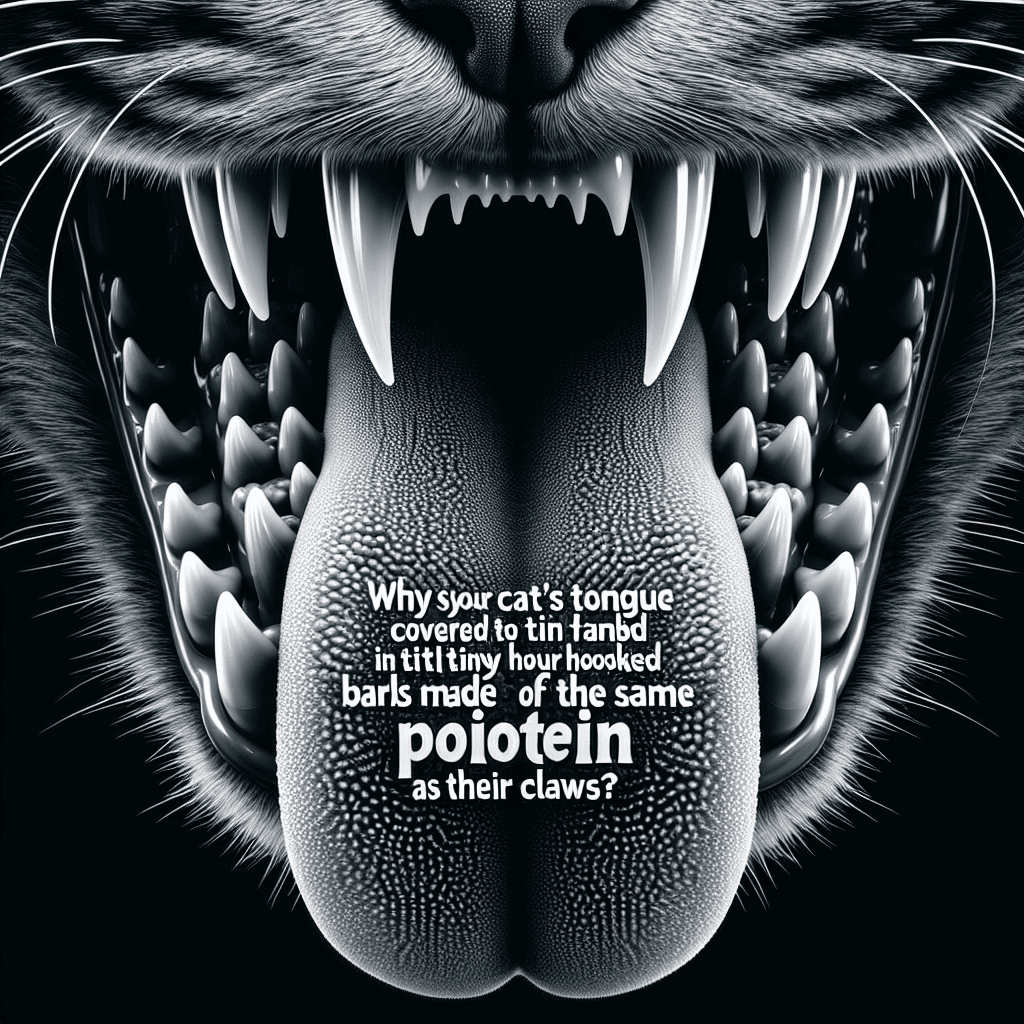
The "sandpaper" texture of a cat's tongue is derived from filiform papillae. These are not taste buds; instead, they are mechanical structures located on the dorsal surface of the tongue. These barbs are composed of keratin—the same tough, fibrous structural protein that forms a cat’s claws, whiskers, and fur, as well as human fingernails.
Recent bio-mechanical research, including notable studies using CT scans, has revealed that these papillae are not solid cones. Instead, they are U-shaped or scoop-like structures. When the tongue is retracted, these barbs lay flat, but they rotate into an upright position during grooming or eating. This keratinized construction provides the necessary durability to withstand constant friction without wearing down, ensuring the tongue remains a functional tool throughout the cat’s life.
The Ultimate Grooming and Healthcare Tool
One of the primary reasons for this specialized anatomy is hygiene. Cats are meticulous groomers, spending up to 24% of their waking hours cleaning themselves. The keratinous barbs act as a natural comb, penetrating deep through the topcoat to reach the dense undercoat.
- Removing Debris: The hooks efficiently lift away loose fur, dirt, and parasites (like fleas), preventing matting and skin infections.
- Saliva Distribution: The U-shaped cavities in the papillae utilize capillary action to wick saliva from the mouth and deposit it deep onto the skin. This is vital for feline health, as the enzymes in saliva help break down environmental contaminants.
- Scent Management: In the wild, removing the scent of a previous meal from their fur is a survival tactic to avoid detection by larger predators and to remain "invisible" to future prey.
Thermal Regulation and Hydration
Unlike humans, cats have very few sweat glands, located primarily in their paw pads. Therefore, they rely on their tongues for thermoregulation. The filiform papillae play a critical role here by ensuring that saliva is distributed evenly across the skin. As this saliva evaporates, it creates a cooling effect that can account for up to one-fourth of a cat’s total heat loss.
Furthermore, the structure of the tongue influences how cats drink. While they do not "scoop" water, they use the tip of the tongue to touch the surface and pull a column of liquid upward. The papillae help provide the necessary surface tension to maintain that column of water long enough for the cat to snap its jaws shut and swallow.
Evolutionary Roots: Hunting and Feeding
The ancestry of the domestic cat as an apex predator explains the "hooked" nature of the papillae. In the wild, these barbs serve a macabre but necessary purpose: they help the cat strip every last morsel of meat from the bones of their prey. This efficiency ensures that no caloric resources are wasted. While your house cat may only be "hunting" kibble or canned pâté, their tongue remains biologically primed for the rugged demands of a wild carnivore.
Conclusion
Understanding why is your cat's tongue covered in tiny hooked barbs made of the same protein as their claws? allows us to appreciate the complex evolutionary history of the feline species. These keratinous structures are far more than just a rough texture; they are sophisticated tools for grooming, temperature control, and efficient feeding. By recognizing the importance of the filiform papillae, owners can better monitor their cat’s health—noting that a sudden cessation of grooming or an over-dependence on it (leading to hairballs) may indicate underlying medical issues. Always consult with a veterinary professional if you notice changes in your cat’s grooming habits, as their "sandpaper" tongue is one of their most vital assets for a healthy, comfortable life.