Why must pet chinchillas bathe in volcanic dust instead of water to keep their dense fur from growing mold
Imagine fur so dense that a single drop of water could cause it to rot from the inside out. Discover why these ultra-soft companions must trade the bathtub for ancient volcanic ash to stay clean, healthy, and mold-free.

Too Long; Didn't Read
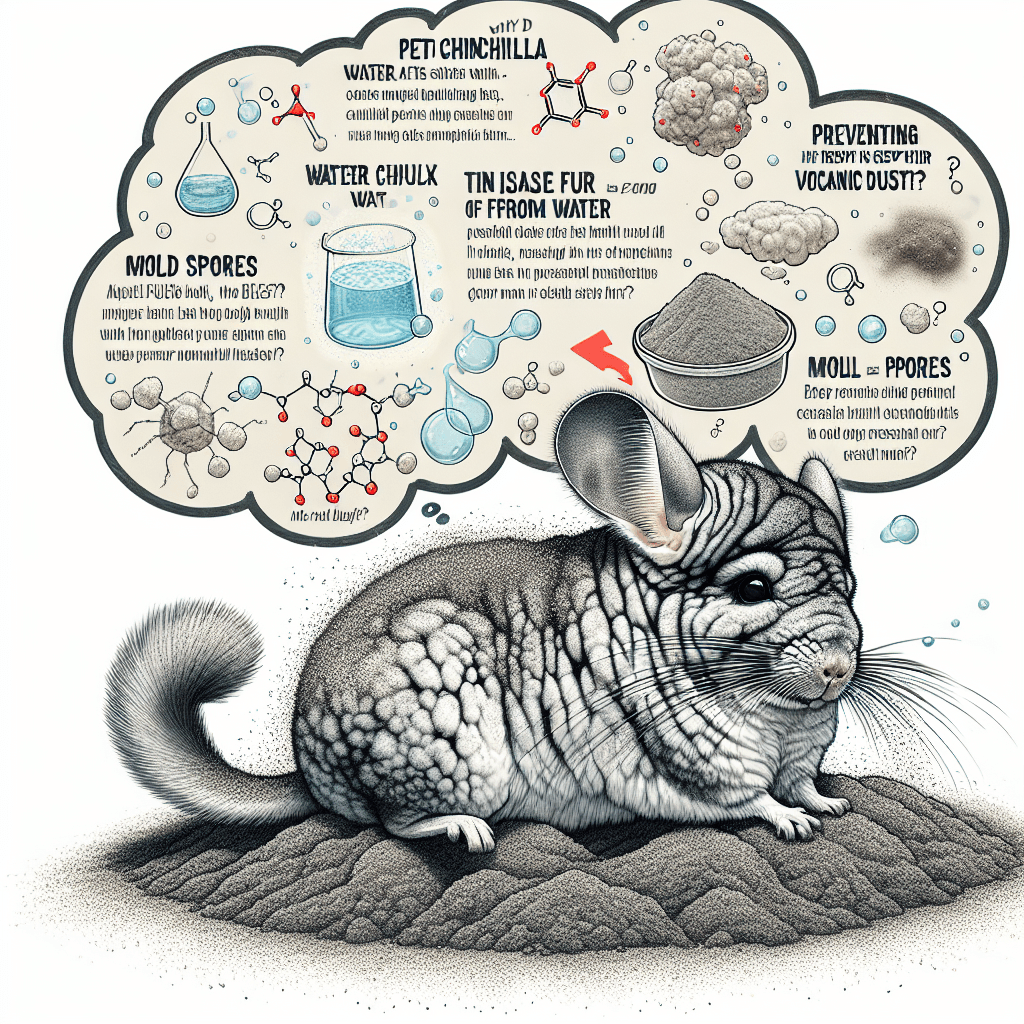
Chinchillas have incredibly dense fur that traps moisture and takes a long time to dry. If they get wet, the trapped dampness can lead to skin infections and mold. Volcanic dust effectively cleans their coats by absorbing oils and dirt while keeping the fur dry and healthy.
The Science of the Dust Bath: Why Must Pet Chinchillas Bathe in Volcanic Dust Instead of Water to Keep Their Dense Fur From Growing Mold?
Imagine having upwards of 80 individual hairs growing from a single follicle. While humans typically have only one hair per pore, the chinchilla possesses the densest fur of any land mammal. This extraordinary biological trait is a testament to their survival in the harsh, high-altitude environments of the Andes Mountains. However, this same density presents a unique challenge for domestic care. Unlike most mammals that can dry off after a rainstorm or a dip in a pond, the chinchilla’s coat acts like a hyper-absorbent sponge. Understanding the answer to the question—why must pet chinchillas bathe in volcanic dust instead of water to keep their dense fur from growing mold?—is fundamental to the health and longevity of these sensitive rodents. This post explores the biological and environmental factors that make the dust bath a non-negotiable aspect of chinchilla husbandry.
The Evolutionary Biology of Chinchilla Fur
To understand why water is dangerous, one must first appreciate the sheer complexity of chinchilla fur. Evolutionarily, these animals adapted to the frigid, arid climate of the South American Andes. Their fur is so thick that parasites like fleas and ticks often cannot survive within it, as they would literally suffocate.
While this density provides incredible insulation against freezing temperatures, it lacks the protective guard hairs found on other mammals. Most furry animals have a combination of soft underfur and oily, water-repellent guard hairs. Chinchillas lack these oily guard hairs, meaning their coat has no natural defense against saturation. If a chinchilla becomes wet, the moisture is pulled deep toward the skin and held there by the vacuum-like density of the hairs.
The Danger of Moisture: Why Water Leads to Mold
The primary reason chinchilla owners must avoid water is the risk of dermatophytosis (fungal infections) and fur rot. Because the fur is so dense, air cannot circulate effectively to the skin. If water enters the coat, it can take days to dry naturally.
- Fungal Growth: In the warm, damp environment created between the skin and the saturated fur, fungal spores thrive. This often manifests as ringworm or "fur mold," which causes skin irritation, hair loss, and secondary bacterial infections.
- Thermal Regulation: A wet chinchilla is at high risk for hypothermia. Since the wet fur loses its insulating properties and stays cold against the skin for an extended period, the animal's core temperature can drop to dangerous levels.
- Skin Matting: Water causes the fine hairs to clump and mat, which can be painful and may require professional veterinary grooming to resolve.
Why Volcanic Dust is the Perfect Solution
In their natural habitat, chinchillas keep clean by rolling in volcanic ash found in the mountains. In captivity, we replicate this using commercially available "chinchilla dust," which is typically made from expanded aluminum silicate or pulverized pumice.
How the Dust Works
The dust works through mechanical action and absorption. As the chinchilla flips and spins in its bath, the fine particles of volcanic rock penetrate deep into the fur. The dust absorbs excess skin oils (lanolin) and removes dead skin cells, moisture, and debris. Unlike water, the dust is easily shaken out, leaving the fur light, separated, and aerated. This "loft" is essential for the fur to provide proper insulation and prevent the skin from becoming greasy.
Guidelines for Safe Dust Bathing
Maintaining a proper bathing schedule is a cornerstone of responsible chinchilla care. Veterinary experts generally recommend the following evidence-based practices:
- Frequency: Most chinchillas require a bath 2–3 times per week. In high-humidity environments, you may need to offer the bath more frequently to combat ambient moisture.
- Duration: Limit bath time to 10–15 minutes. Leaving the dust in the cage indefinitely can lead to the animal using it as a litter box or over-drying their skin, which leads to dermatitis.
- Product Quality: Use only dedicated chinchilla dust. Never use "chinchilla sand," as the grains are too coarse and can cause micro-abrasions on the skin or damage the delicate hair shafts.
- Health Checks: Use bath time to observe your pet’s behavior. A healthy chinchilla should be enthusiastic about its bath. A lack of interest in grooming can be an early clinical sign of illness or dental pain.
Conclusion
Understanding why must pet chinchillas bathe in volcanic dust instead of water to keep their dense fur from growing mold is vital for any owner. The chinchilla’s coat is a marvel of nature, but its extreme density makes it highly susceptible to trapping moisture and fostering dangerous fungal growth. By providing regular access to high-quality volcanic dust, owners respect the evolutionary history of these animals and ensure their skin remains healthy and their fur remains mold-free. Responsible husbandry starts with acknowledging that what is "clean" for a human or a dog can be life-threatening for a chinchilla. Always prioritize their unique biological needs to ensure a happy, healthy, and fluffy companion.