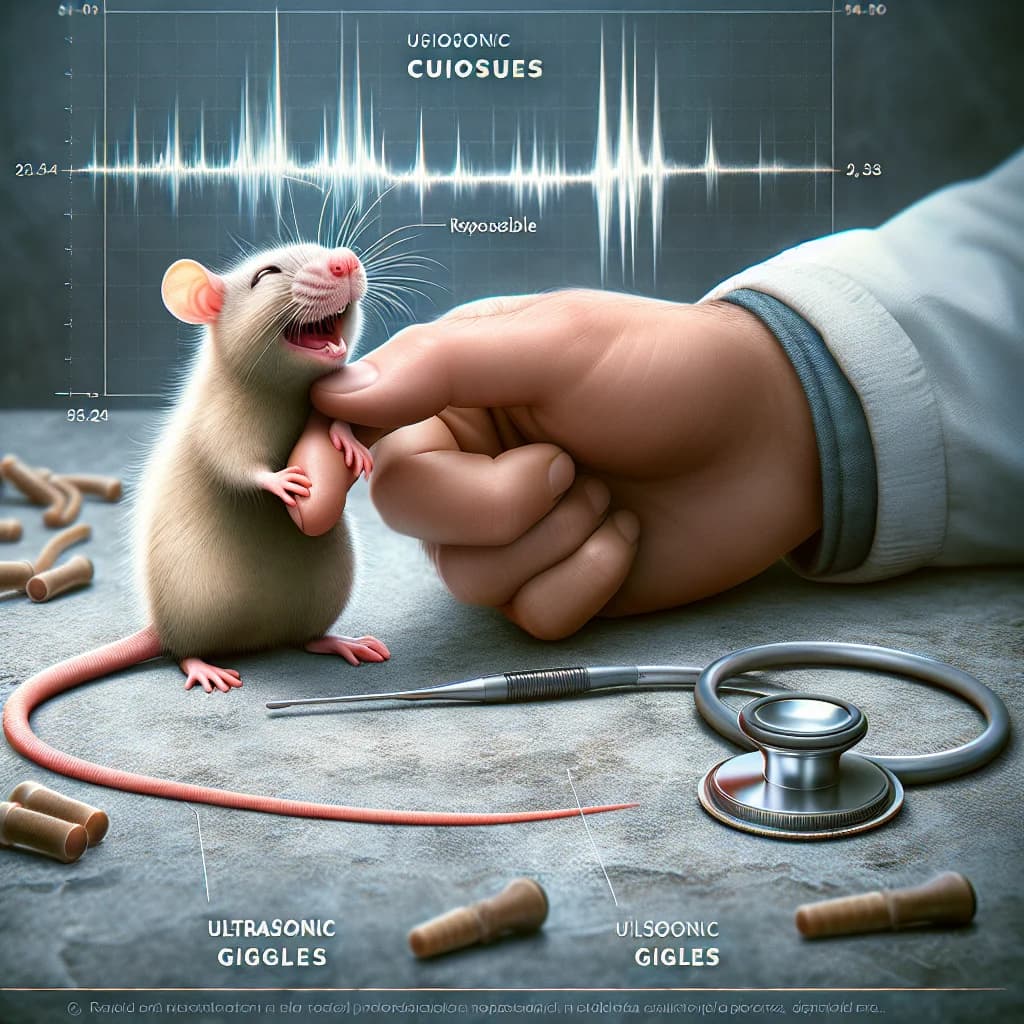
Why will pet rats often choose to rescue a trapped companion over eating a pile of delicious chocolate
Would you choose a pile of chocolate over saving a friend? Discover the surprising, heart-driven science behind why pet rats consistently prioritize empathy and rescue over their favorite treats.


Too Long; Didn't Read
Research shows that rats prioritize empathy and social bonding over food. When a cagemate is distressed, the biological reward from rescuing them outweighs the desire for treats like chocolate, proving that rats possess complex emotional intelligence and an innate drive to help others.
Bonds Over Treats: Why Will Pet Rats Often Choose to Rescue a Trapped Companion Over Eating a Pile of Delicious Chocolate?
For decades, the common perception of the brown rat (Rattus norvegicus) was that of a solitary scavenger driven purely by hunger and survival instincts. However, modern ethology and veterinary science have revealed a much more sophisticated reality. Domesticated "fancy" rats are highly social, intelligent mammals capable of complex emotional processing. Perhaps the most striking evidence of this is their tendency to prioritize the well-being of a distressed peer over a high-value food reward. This behavior challenges our understanding of animal psychology and highlights the profound biological roots of empathy. This blog post explores the scientific mechanisms behind why a pet rat will often choose to rescue a trapped companion even when a pile of delicious chocolate is within reach.
The Landmark Study: Evidence of Prosocial Behavior
The foundation for this understanding stems from a landmark 2011 study conducted by researchers at the University of Chicago. In this experiment, a rat was placed in an enclosure with a cage mate trapped in a transparent plastic tube that could only be opened from the outside. In a parallel setup, the free rat was given access to a pile of chocolate chips—an exceptionally high-value treat for rodents.
The results were statistically significant: the free rats repeatedly chose to ignore the chocolate initially to liberate their trapped companion. Once the companion was free, the two rats would often share the chocolate. This action is classified as prosocial behavior, defined as voluntary actions intended to benefit another. The study found that approximately 71% of the rats tested would consistently open the door for their companions, even when no reward was offered, suggesting that the act of helping is intrinsically rewarding.
The Biological Basis: Emotional Contagion and the Brain
To understand why a rat would forgo a treat for a friend, we must look at the concept of emotional contagion. This is the most basic tier of empathy, where an individual perceives the emotional state of another and begins to feel that same emotion. When a rat sees a companion in distress, its own stress hormones, such as corticosterone, may spike.
The Role of the Anterior Cingulate Cortex
Research indicates that rats possess an anterior cingulate cortex (ACC), a brain region also found in humans that is associated with processing physical and social pain. When a rat observes a peer in trouble, the ACC "mirrors" that distress. By rescuing the trapped companion, the rat is not only helping its peer but is also alleviating its own vicarious internal stress. This indicates that the drive to help is a biological imperative rather than a calculated moral choice.
Evolutionary Advantages of Altruism
From an evolutionary biology perspective, this "altruism" serves a vital purpose for the species. Rats are social animals that rely on the colony for protection, warmth, and foraging.
- Group Cohesion: Helping a member of the group ensures the colony remains strong. A larger group has a better chance of detecting predators or finding resources.
- Reciprocal Altruism: While the rats in the study did not "expect" a return favor, in a natural setting, individuals that help others are more likely to be helped in return, increasing the overall survival rate of the lineage.
- Domestic Evolution: Through the process of domestication, fancy rats have been selected for docility and social bonding, which may further amplify these inherent empathetic traits compared to their wild counterparts.
Perspectives in Animal Behavior
While the Chicago study is widely celebrated, it has sparked debate within the scientific community regarding the definition of "empathy." Some researchers argue that the rats are simply seeking social interaction—liberating the companion because they want a playmate, rather than out of a purely selfless desire to end the other rat's suffering.
However, follow-up studies have shown that rats will still free a companion even if they are prevented from interacting with them afterward. This suggests that the primary motivation is indeed the cessation of the other rat's distress. Veterinary experts emphasize that regardless of the specific psychological label, the behavior demonstrates a level of social complexity that necessitates high standards of care and social enrichment for pet rats.
Conclusion
Understanding why pet rats choose to rescue a companion over eating chocolate provides a window into the complex emotional lives of these small mammals. Their behavior is a powerful combination of biological emotional contagion, evolutionary survival strategies, and high-functioning social intelligence. Recognizing that rats are capable of feeling distress for one another and acting to alleviate that pain is essential for responsible animal husbandry.
For pet owners, this research underscores the importance of housing rats in pairs or groups, as their social bonds are not merely a preference but a fundamental biological requirement. By respecting the emotional depth of these animals, we can provide them with environments that allow their natural, empathetic behaviors to flourish. If you are concerned about your rats' social dynamics or wellbeing, consulting with a veterinarian who specializes in exotic pets is always the best course of action.