
How is caffeine removed from coffee beans without ruining their flavor
Ever wondered how you can pull the caffeine from a coffee bean without taking its rich, complex flavor with it? Discover the surprisingly delicate science that makes a delicious cup of decaf possible.

Too Long; Didn't Read
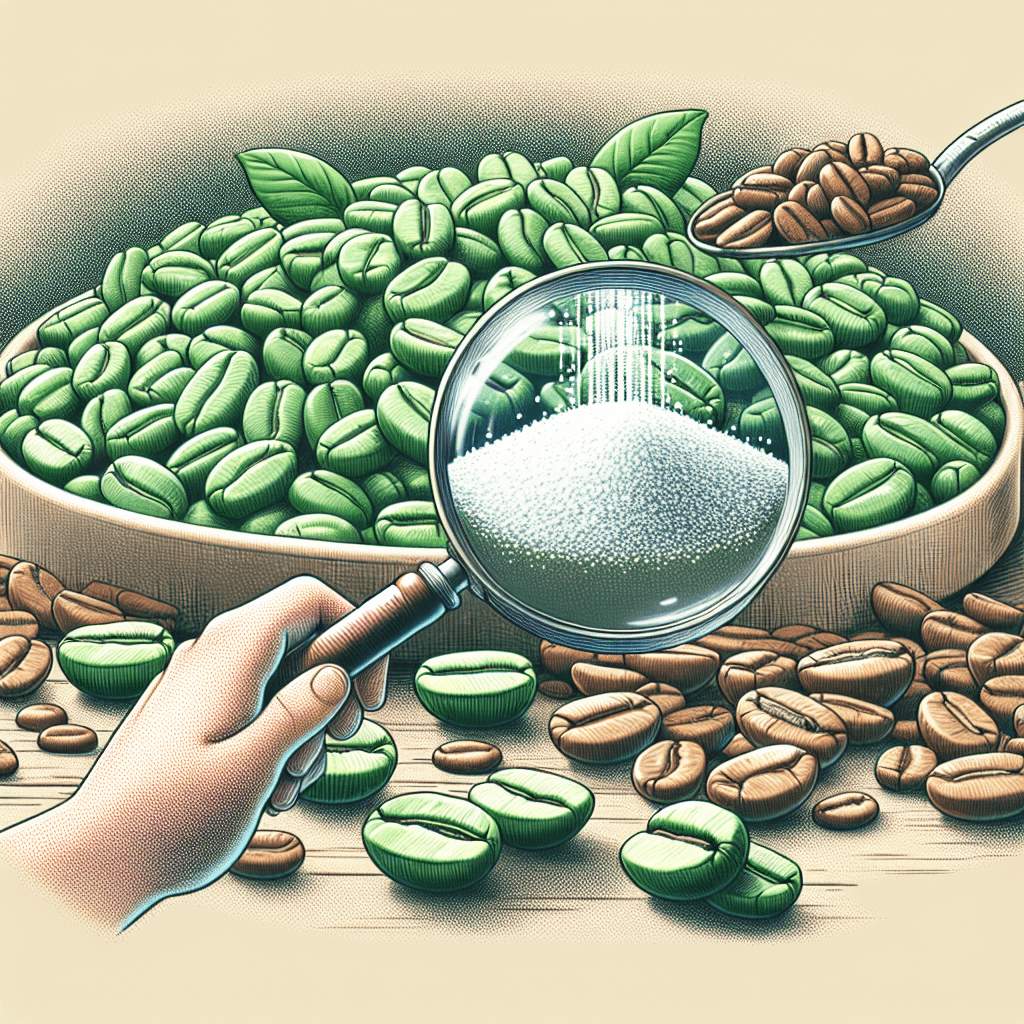
To preserve flavor, green coffee beans are first soaked to make the caffeine soluble. Then, either a special solvent, a flavor-charged water solution, or pressurized CO2 is used to selectively bind with and remove only the caffeine molecules, leaving the larger flavor compounds behind in the bean.
Title: The Decaf Dilemma Solved: How is Caffeine Removed from Coffee Beans Without Ruining Their Flavor?
Introduction
It’s a familiar scenario: you’re craving the rich, comforting taste of coffee in the evening, but you know the caffeine will keep you staring at the ceiling for hours. For many, the solution—decaf—comes with a sigh of resignation, haunted by a reputation for being a bland, flavorless imposter. But what if that reputation is outdated? The truth is, decaffeinating coffee is a sophisticated scientific process designed with one primary goal: to remove the caffeine while preserving the hundreds of aromatic and flavor compounds that make coffee so beloved. This post will demystify the magic behind modern decaffeination, exploring the clever methods used to deliver a delicious cup of coffee, minus the buzz.
The Art and Science of Flavor Preservation
Before a single bean is roasted, it holds a complex chemical blueprint for its future flavor profile. The core challenge of decaffeination is selectivity—targeting and removing a single compound, caffeine, from over 1,000 other compounds, many of which contribute to the coffee's taste and aroma. To achieve this, all decaffeination happens while the beans are still green, unroasted, and their cell structures are more permeable. Every method relies on a solvent that caffeine is soluble in, but the approach varies significantly. Here are the primary methods used today.
The Main Decaffeination Methods
1. Solvent-Based Methods
Often misunderstood, modern solvent-based methods are safe and highly effective. They are typically categorized as either direct or indirect.
- Direct Method: Green coffee beans are first steamed to open their pores. They are then repeatedly rinsed with a solvent, most commonly ethyl acetate (a compound found naturally in fruit) or methylene chloride. The solvent directly binds to the caffeine molecules and draws them out of the bean. The beans are then thoroughly steamed and rinsed again to ensure any residual solvent is removed. Regulatory bodies like the FDA have strict limits, ensuring the final product is perfectly safe for consumption.
- Indirect Method: This process takes a more roundabout approach to protect the bean’s flavor. The green beans are soaked in hot water, which dissolves the caffeine as well as many flavor compounds. This "flavor-charged" water is drained and moved to a separate tank. Here, a solvent is used to remove the caffeine from the water. This now-decaffeinated but still flavor-rich water is then added back to the original beans, allowing them to reabsorb their precious flavor compounds.
2. The Swiss Water® Process
A popular choice for specialty coffee, the Swiss Water® Process is renowned for being 100% chemical-free. It’s a fascinating process driven by solubility and osmosis.
- A batch of green coffee beans is soaked in pure hot water, creating a solution saturated with all the water-soluble compounds in coffee (sugars, oils, acids) called Green Coffee Extract (GCE). This first batch of beans is discarded.
- The GCE is then passed through a series of activated charcoal filters that are specifically sized to capture only the larger caffeine molecules.
- This results in a caffeine-free, flavor-rich solution. A fresh batch of green coffee beans is then soaked in this GCE. Because the water is already saturated with flavor compounds, they can't escape from the new beans. Only the caffeine migrates from the beans into the GCE, seeking equilibrium. The process is repeated until the beans are 99.9% caffeine-free.
3. The CO2 Process (Supercritical Carbon Dioxide)
This is one of the most modern and effective methods for preserving a coffee's original character. It uses carbon dioxide, a natural and abundant element, in its "supercritical" state.
The process involves soaking green beans in water and then placing them in a high-pressure chamber. Liquid CO2 is pumped into the chamber, where the intense pressure and controlled temperature (around 1,000 psi) turn it into a supercritical fluid—a state that’s halfway between a liquid and a gas. This supercritical CO2 is an ideal solvent that selectively binds with caffeine molecules, leaving the larger flavor molecules untouched. The caffeine-laden CO2 is then moved to a low-pressure chamber, where it returns to a gaseous state, leaving the caffeine behind as a powder. The now-pure CO2 can be recaptured and reused, making this a highly sustainable method.
Conclusion
The notion that decaf is inherently inferior is a relic of the past. Thanks to advanced methods like the Swiss Water® and CO2 processes, removing caffeine no longer means sacrificing flavor. Each technique, whether using a natural solvent or the power of supercritical fluid, is a testament to the coffee industry's dedication to quality. The key is the careful and selective targeting of the caffeine molecule while meticulously protecting the delicate compounds that give each coffee its unique personality. So, the next time you're considering a late-night cup, don't hesitate. A high-quality decaf can offer all the flavor and complexity of its caffeinated counterpart, proving you really can have it all.


