What creates the sharp, clean smell in the air during a thunderstorm
That sharp, clean scent hanging in the air isn't just rain; it's the electrifying aroma of a molecule forged by the raw power of a lightning strike itself.

Too Long; Didn't Read
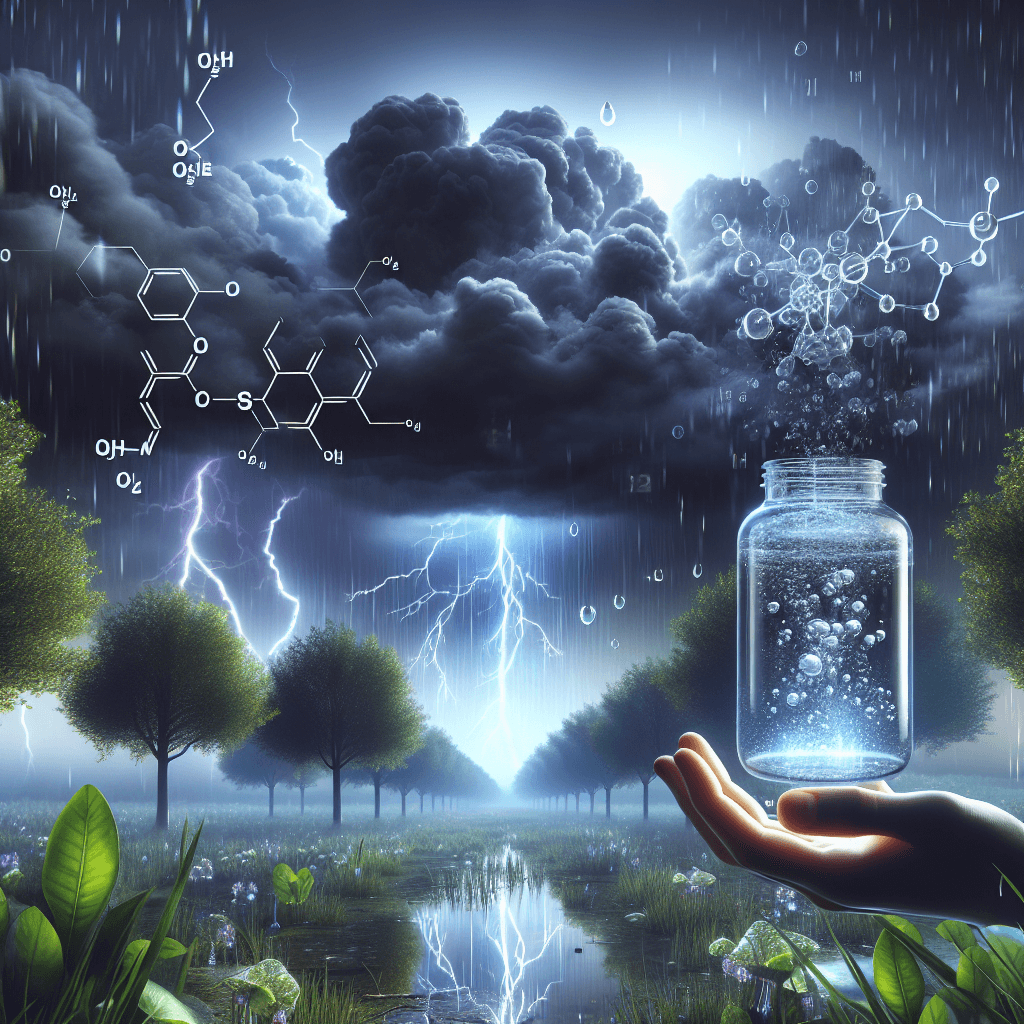
TLDR: The sharp, clean smell is ozone. Lightning's electrical charge splits oxygen molecules in the air, which then reform into ozone gas. Downdrafts from the storm push this distinct-smelling gas down to ground level.
The Scent of a Storm: What Creates the Sharp, Clean Smell in the Air During a Thunderstorm?
Have you ever stepped outside as dark clouds gather and noticed a distinct change in the air? It’s a smell that’s difficult to describe—part sharp, part earthy, and uniquely clean. This powerful aroma is the atmosphere’s way of announcing an impending storm, a scent deeply ingrained in our memories. But what is it, exactly? That iconic "smell of rain" isn't just one thing; it's a complex cocktail of atmospheric chemistry and earthy biology. This post will delve into the science behind the storm, uncovering what creates the sharp, clean smell in the air during a thunderstorm and its earthy counterpart.
The Electric Scent: Meet Ozone
The sharp, almost metallic scent that often precedes the rain is the work of ozone (O₃). While we typically associate ozone with the protective layer high in our atmosphere, it can also be created much closer to the ground during a thunderstorm.
Here's how it happens:
- Lightning's Power: A bolt of lightning is an incredibly powerful electrical discharge. Its immense energy is strong enough to split the stable oxygen (O₂) and nitrogen (N₂) molecules in the air around it into individual atoms.
- Recombination: These newly freed atoms are highly reactive and quickly seek to bond with other molecules. Some of the lone oxygen atoms will combine with a standard oxygen molecule (O₂) to form an ozone molecule (O₃).
- Carried by the Wind: The downdrafts and turbulent winds within a storm system then carry this newly created ozone from higher altitudes down to the ground.
This is why you can often smell it before the first raindrop falls. The scent of ozone is the storm’s vanguard, an electrical announcement of its arrival. The name "ozone" itself comes from the Greek word ozein, which means "to smell," a testament to its pungent and noticeable aroma.
The Smell of Rain on Dry Earth: The Magic of Petrichor
While ozone accounts for the sharp, pre-rain scent, the more familiar, earthy smell that rises once the rain begins has a different origin. This scent is known as petrichor. Coined by Australian scientists Isabel Joy Bear and Richard Thomas in 1964, petrichor is not the smell of the water itself, but the smell of rain hitting dry ground.
This beloved aroma is a blend of two key components:
- Plant Oils: During dry periods, many plants excrete oils that accumulate on surfaces like rocks and soil. These oils are a defense mechanism, inhibiting seed germination and competition for scarce water.
- Geosmin: A compound produced by a specific type of soil-dwelling bacteria called actinobacteria. Humans are incredibly sensitive to geosmin and can detect it at minuscule concentrations—some studies suggest our noses are more sensitive to it than a shark's is to blood. This compound is what gives soil and vegetables like beets their distinctly "earthy" smell and taste.
When raindrops hit the ground, they trap tiny air bubbles on the surface. These bubbles then shoot upwards, bursting from the droplet and releasing a fine aerosol. This aerosol carries the trapped plant oils and geosmin into the air, delivering the signature scent of petrichor to our noses.
A Symphony of Scents: How It All Comes Together
The complete olfactory experience of a thunderstorm is a two-part performance. First, you have the opening act: the sharp, clean smell of ozone carried on the wind, signaling the storm's approach. This is the direct result of lightning's electrical fury. Then comes the main event: as the rain begins to fall, it liberates the earthy, pleasant aroma of petrichor from the ground. Together, these two scents create the full, complex, and refreshing fragrance that we uniquely associate with a thunderstorm.
So, the next time you smell an approaching storm, take a moment to appreciate the incredible science at play. That sharp, clean scent is the smell of atmospheric electricity, a direct product of the lightning tearing through the sky. It’s a powerful reminder of the dynamic and fascinating processes that create the weather we experience every day, turning a simple smell into a lesson in chemistry and biology.