
What do the different bird chirps at some crosswalks actually mean
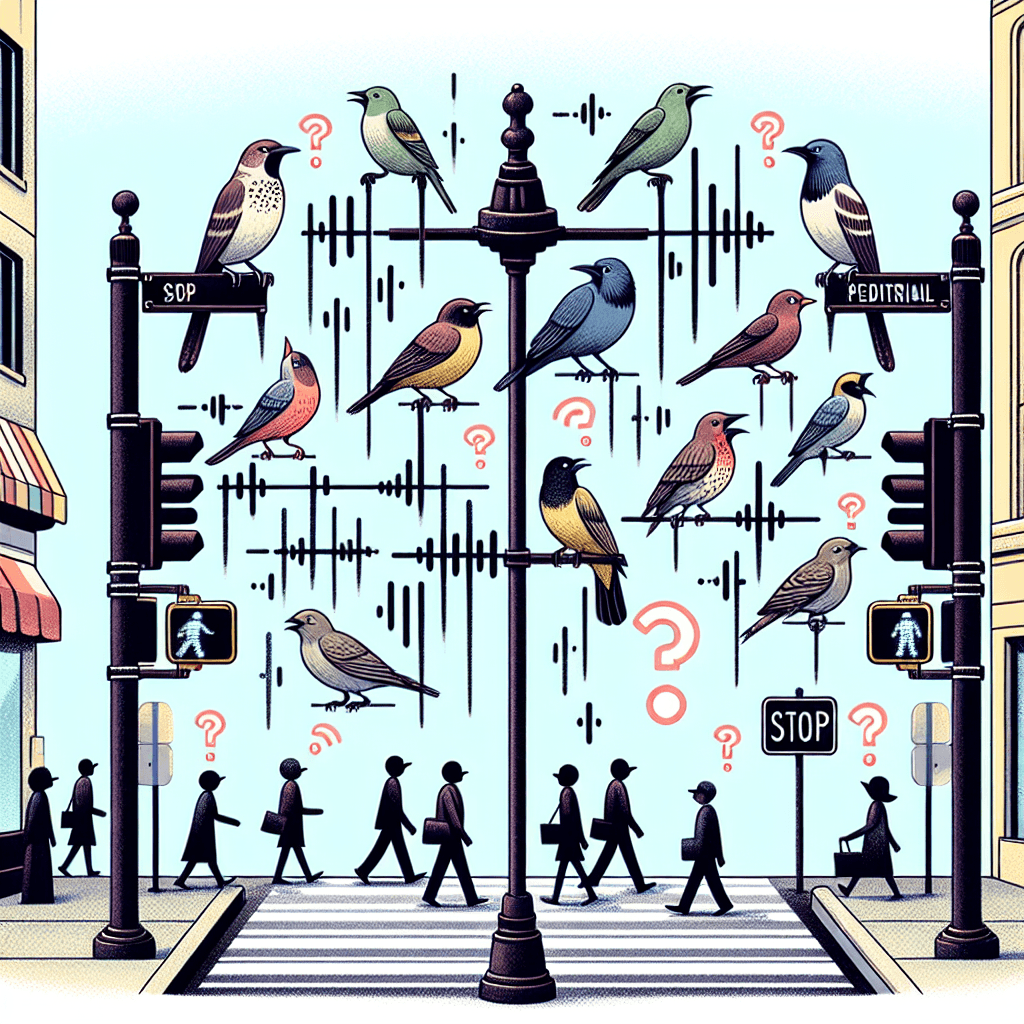
It's not just random noise; the "cuckoo" and "peep-peep" sounds at a crosswalk are a specific code telling you which direction is safe to walk.

Too Long; Didn't Read
TLDR: The bird sounds at crosswalks are for visually impaired pedestrians. A cuckoo sound typically means it is safe to cross in the north-south direction, while a chirp is for east-west. The different sounds help identify which street has the walk signal.
The Secret Language of the Street: What Do the Different Bird Chirps at Some Crosswalks Actually Mean?
Have you ever stood at a busy intersection, waiting for the light to change, and heard a distinct "cuckoo" sound or a rapid chirp? You might have dismissed it as just another part of the city's soundscape. But what if I told you those sounds aren't random? They are a carefully designed language, an essential tool that helps people navigate our streets safely. These audible cues are part of a system called an Accessible Pedestrian Signal (APS), and they play a vital role in making our communities more inclusive for everyone. This post will decode the secret language of the crosswalk, explaining exactly what those bird chirps mean and why they are so much more than just noise.
Beyond the 'Walk' Sign: Introducing Accessible Pedestrian Signals
Before we decipher the sounds, it's important to understand what they're for. An Accessible Pedestrian Signal (APS) is a device that communicates information about the "Walk" and "Don't Walk" signals in non-visual formats, such as sound and touch. They are specifically designed to assist pedestrians who are blind, have low vision, or are deaf-blind.
Older systems often used loud, indiscriminate buzzers or bells, which could be confusing and even dangerous. If multiple intersections had the same sound, a person couldn't be sure which crosswalk was safe to enter. Modern APS systems solve this problem with distinct, directional sounds—and that’s where the birds come in.
The Cuckoo vs. The Chirp: What's the Difference?
The most common APS systems in North America and other parts of the world use two primary bird-like sounds to indicate which street has the "Walk" signal. This directional information is crucial for orientation. According to standards outlined in the U.S. Manual on Uniform Traffic Control Devices (MUTCD), the sounds have specific meanings:
- The "Cuckoo" Sound: This familiar, two-note call is typically used to indicate the "Walk" signal for crossing the major street, which usually runs north-south. When you hear "cuckoo, cuckoo, cuckoo," it means it's safe to cross the main thoroughfare.
- The "Chirp" Sound: This sound, a rapid, high-pitched "peep-peep" or chirping, is used to indicate the "Walk" signal for crossing the minor street, which generally runs east-west.
By assigning a different sound to each crossing direction, the system allows a visually impaired person to identify which street is safe to cross without ambiguity. The choice of bird calls was intentional; they are distinct and easily heard above the drone of traffic but are less likely to be confused with emergency vehicle sirens or other alarms.
It's Not Just What You Hear: Other APS Features
The bird calls are the most recognizable feature of an APS, but the system includes other crucial cues that work together to enhance safety:
- The Locator Tone: When the "Don't Walk" signal is on, you may hear a quiet, repeating "tick" sound coming from the push-button station. This is the locator tone. It clicks about once per second to help pedestrians with low or no vision find the push-button in the first place.
- Push-Button Confirmation: When you press the crosswalk button, you will often hear a distinct click or a verbal message like "Wait." This confirms that the system has registered your request to cross.
- Vibrotactile Cues: Many modern APS push-buttons feature a tactile arrow that vibrates when the "Walk" signal is active. This arrow is pointed in the direction of travel for that specific crosswalk. This silent, vibrating confirmation is essential for deaf-blind individuals and is also useful in extremely loud environments where the audible bird calls might be difficult to hear.
Conclusion
The next time you’re waiting to cross the street, take a moment to listen. The cuckoo and chirp sounds are more than just ambient noise; they are a brilliant example of inclusive design in action. This sophisticated system provides crucial directional information, ensuring that pedestrians of all abilities can navigate complex intersections with greater independence and safety. These bird calls transform a potentially hazardous environment into an accessible one, proving that sometimes, the most thoughtful engineering is the kind you can hear but might not have noticed until now.


