
Why are airplane passenger seats almost always a shade of blue
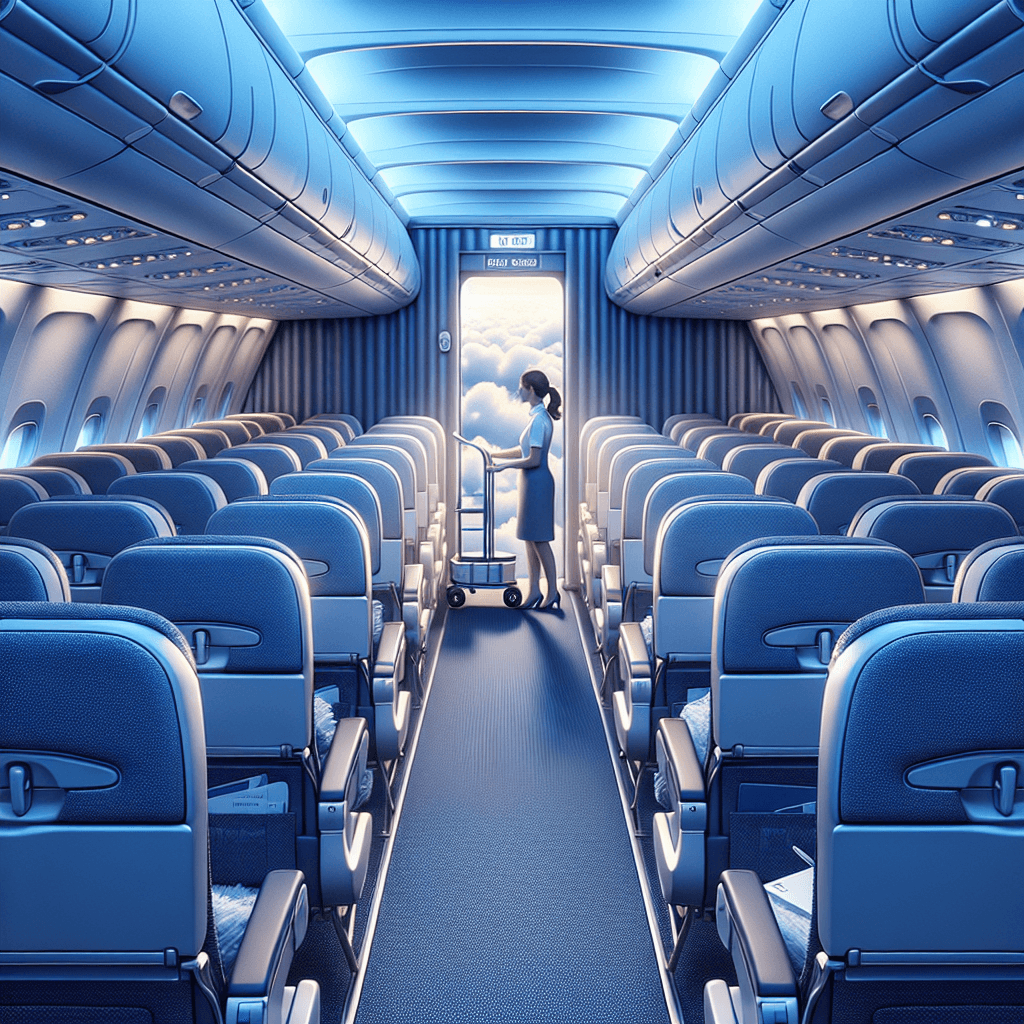
It's no coincidence that airline seats are almost always blue; the color is a powerful psychological trick designed to keep you calm while hiding a surprisingly grimy secret.

Too Long; Didn't Read
TLDR: Airplane seats are blue because the color is psychologically calming for anxious passengers and is also very effective at hiding dirt, stains, and wear, which saves airlines money on cleaning and replacement.
The Sky-High Mystery Solved: Why Are Airplane Passenger Seats Almost Always a Shade of Blue?
Have you ever stopped in the aisle of an airplane, looked around, and noticed you're swimming in a sea of blue? From navy to royal to sky blue, it’s the overwhelmingly dominant color for passenger seats. This isn't a random coincidence or a global sale on blue fabric. The choice is a meticulous, strategic decision blending passenger psychology, operational practicality, and brand identity. While other colors have made brief appearances over the decades, blue has remained the steadfast king of the cabin.
This blog post will delve into the fascinating reasons behind this color convention. We'll explore how this specific hue is engineered to influence your mood, why it’s a smart choice for an airline’s bottom line, and how it became the industry standard, ensuring your journey is as serene and clean as possible, even before you take off.
The Psychology of Blue: Engineering Calm at 30,000 Feet
One of the primary reasons for the prevalence of blue is rooted in color psychology. For many people, flying can be a stressful experience. Airlines are acutely aware of this and design their cabins to be calming sanctuaries. The color blue is almost universally associated with peace, tranquility, and stability.
According to numerous studies in color psychology, blue has been shown to have a calming effect on the human mind. It can evoke feelings of security and trust, which are invaluable when you’re placing your safety in the hands of an airline. Think of the sky and the ocean—vast, reliable, and constant. Airlines tap into these subconscious associations to help soothe anxious flyers. In an environment where every bump of turbulence can put passengers on edge, a color that promotes a sense of serenity is a powerful tool for improving the customer experience.
A Practical Choice: Durability and Maintenance
Beyond the psychological benefits, there are incredibly practical reasons for choosing blue. An airplane cabin is a high-traffic environment subjected to constant wear and tear. Spills, dirt, and friction are daily realities. The choice of seat color has a direct impact on maintenance costs and the overall perception of cleanliness.
Darker shades of blue are exceptionally good at hiding dirt, stains, and signs of wear. This is a massive advantage for airlines, which need their cabins to look clean and fresh for thousands of passengers over the lifespan of the seats.
Here’s why it’s such a practical choice:
- Stain Concealment: Blue is effective at camouflaging coffee spills, grime, and other common stains, meaning the seats look cleaner for longer.
- Longevity: Because wear and tear are less visible on blue fabric, airlines don't need to reupholster or replace seat covers as frequently, leading to significant cost savings.
- Perceived Cleanliness: A cabin that looks clean feels more comfortable and trustworthy to passengers. Blue helps maintain this perception between deep cleanings.
In the 1970s and 80s, some airlines experimented with bold colors like bright red and orange. However, they quickly discovered these colors not only showed dirt more easily but, according to some aviation experts, could also subconsciously increase aggression or anxiety in passengers.
The Power of Precedent and Branding
Finally, the widespread use of blue is also a matter of history and branding. Once major airlines like Pan Am and Boeing began using blue in their popular aircraft interiors decades ago, it set a powerful precedent. The color became associated with the reliability and professionalism of air travel, creating an industry standard that many carriers followed.
Furthermore, blue is a staple color in corporate branding. Many of the world’s largest airlines—including United, Lufthansa, KLM, and American Airlines—feature blue prominently in their logos and corporate identity. Using blue seats creates a cohesive brand experience, reinforcing the airline's image from the moment a passenger steps on board. This synergy between the cabin interior and the company's brand strengthens recognition and trust.
Conclusion
The next time you settle into your airplane seat, take a moment to appreciate its color. That simple shade of blue is doing more work than you might imagine. It’s not just a decorative choice; it’s a carefully selected tool designed to make you feel calm and secure, while also serving as a durable, cost-effective solution for the airline. From its psychological soothing properties to its practical, stain-hiding prowess, the blue seat is a silent but essential contributor to the modern flying experience. It’s a small detail that makes a world of difference in the complex orchestration of air travel.


