
Why are so many public benches designed to be impossible to lie down on
Those metal dividers on city benches aren't a mistake; they're a weapon in a hidden war over our public spaces.

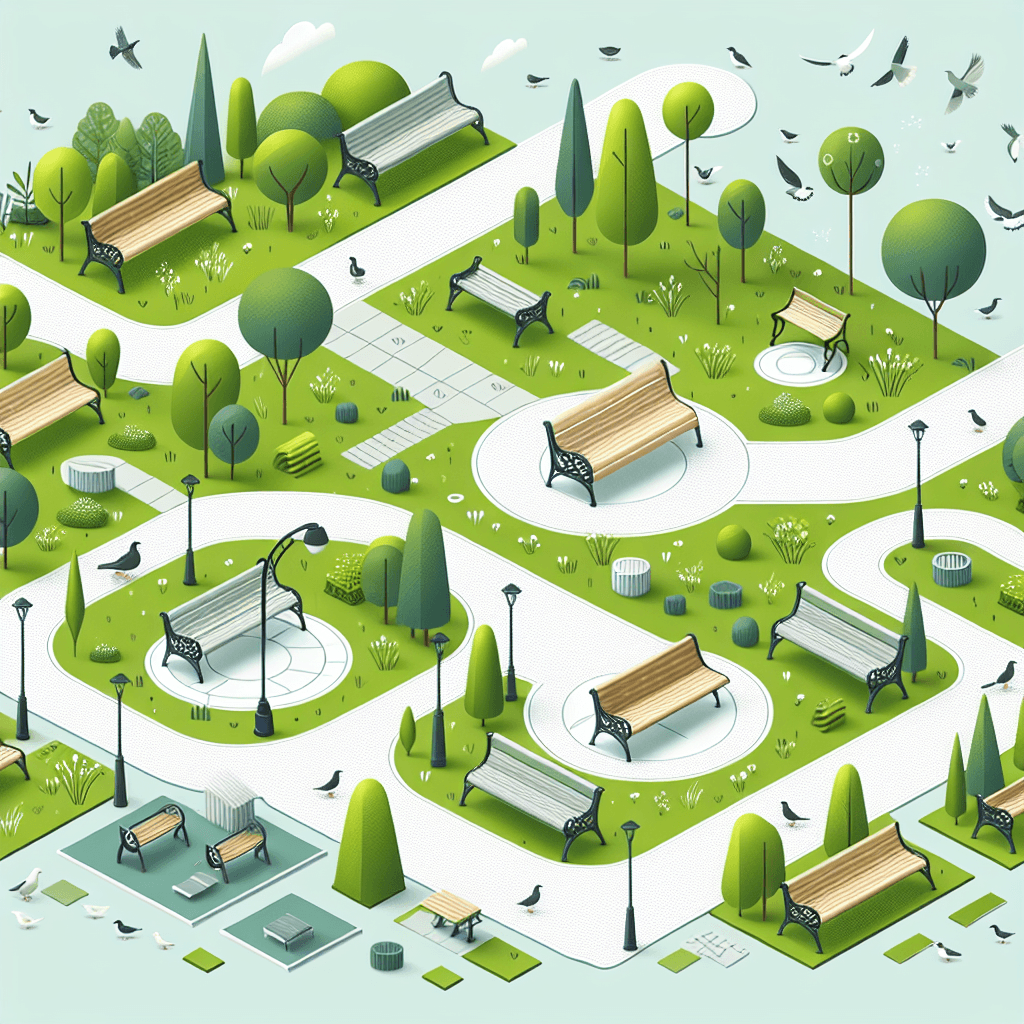
Too Long; Didn't Read
TLDR: It is a deliberate design choice called hostile architecture, meant to prevent people, especially the homeless, from sleeping on them and to discourage loitering in public spaces.
Hostile by Design: Why Are So Many Public Benches Designed to Be Impossible to Lie Down On?
Have you ever walked through a city park or a transit station and noticed a bench with seemingly pointless armrests in the middle? Or perhaps you've seen a sleek, modern-looking bench that curves in such a way that lying down would be a balancing act. These aren't accidental design flaws or quirky artistic choices. They are deliberate, calculated features of a controversial urban design strategy. This practice, often invisible to the casual observer, fundamentally shapes who can use public spaces and how they can use them. This post will explore the reasons behind these intentionally uncomfortable benches and the broader concept of "hostile architecture."
What is Hostile Architecture?
The uncomfortable bench is a classic example of hostile architecture, also known as "defensive design" or "unpleasant design." It's a strategy that uses elements of the built environment to purposefully guide or restrict behavior in public spaces. The goal is to prevent activities that city planners or property owners consider undesirable.
While benches are a prominent example, hostile architecture takes many forms:
- Metal studs embedded in ledges and windowsills to prevent people from sitting or lying there.
- Sloped surfaces under bridges or in covered areas to make sleeping impossible.
- Segmented seating at airports and bus stops that prevents anyone from stretching out.
- Loud, high-frequency sounds played in certain areas to deter loitering by teenagers.
These designs are engineered to solve perceived social problems not through support or policy, but through physical obstruction.
The Primary Target: Making Homelessness Invisible
The most significant and controversial reason for anti-homeless bench design is to prevent people experiencing homelessness from sleeping on them. From the perspective of city officials or business improvement districts, sleeping in public spaces can lead to complaints from residents and tourists, potentially impacting local business and property values. The benches are designed to ensure public seating is used only for its most basic, short-term purpose: sitting.
However, critics argue that this approach does nothing to solve the root causes of homelessness. Instead of providing shelter or support, it simply displaces vulnerable individuals, forcing them into less visible and often less safe locations. This design philosophy effectively communicates that certain people are not welcome in public view, punishing them for their circumstances rather than offering aid. It turns public space, which should theoretically be for everyone, into a controlled environment that is only comfortable for certain approved users.
Discouraging Other "Undesirable" Behaviors
While deterring rough sleeping is the primary motivation, these designs also target other activities. Urban planners often incorporate features to discourage:
- Skateboarding: Metal clips, known as "skate stoppers," are frequently added to the edges of benches and ledges to prevent skateboarders from grinding on them.
- Loitering: By making benches uncomfortable—using hard materials, removing backrests, or creating awkward seating positions—designers can discourage people from lingering for extended periods.
- Vandalism and Misuse: Benches may be made from durable, graffiti-resistant materials or designed in a way that makes them difficult to move or damage.
The famous "Camden Bench" in London is a prime example of a multi-purpose hostile design. Its stark, angular concrete form is designed to be impossible to sleep on, difficult to graffiti, and has no crevices where litter or drugs could be hidden.
The Broader Impact and Ethical Debate
The problem with hostile architecture is that it doesn't discriminate. A bench designed to stop a homeless person from sleeping on it also prevents an elderly person from lying down for a moment's rest, a parent from soothing a child, or anyone from simply stretching out to enjoy the sun. It makes public spaces less comfortable and welcoming for everyone.
This has sparked a significant ethical debate. Proponents argue that these measures are necessary for public safety, order, and hygiene. However, opponents contend that it is an inhumane and socially exclusive practice that prioritizes aesthetics and property values over human dignity. It is a subtle form of social control that designs poverty and other social issues out of sight rather than addressing them head-on.
Conclusion
The next time you see a bench with a central armrest, you'll know it's not a mistake. It is a conscious design choice rooted in the principles of hostile architecture. These benches reveal a quiet conflict over the purpose of our shared spaces. While intended to maintain order and control certain behaviors, they primarily serve to make homelessness less visible and our public environments less comfortable for all. Ultimately, the design of a simple public bench asks us a much larger question: who are our cities for, and are we building them to be inclusive and compassionate, or exclusive and controlled?


