
Why are there no stars in the photos taken by astronauts on the moon
Surrounded by a pitch-black, airless sky, the Apollo astronauts should have seen billions of brilliant stars. So why isn't a single one visible in their iconic photographs?

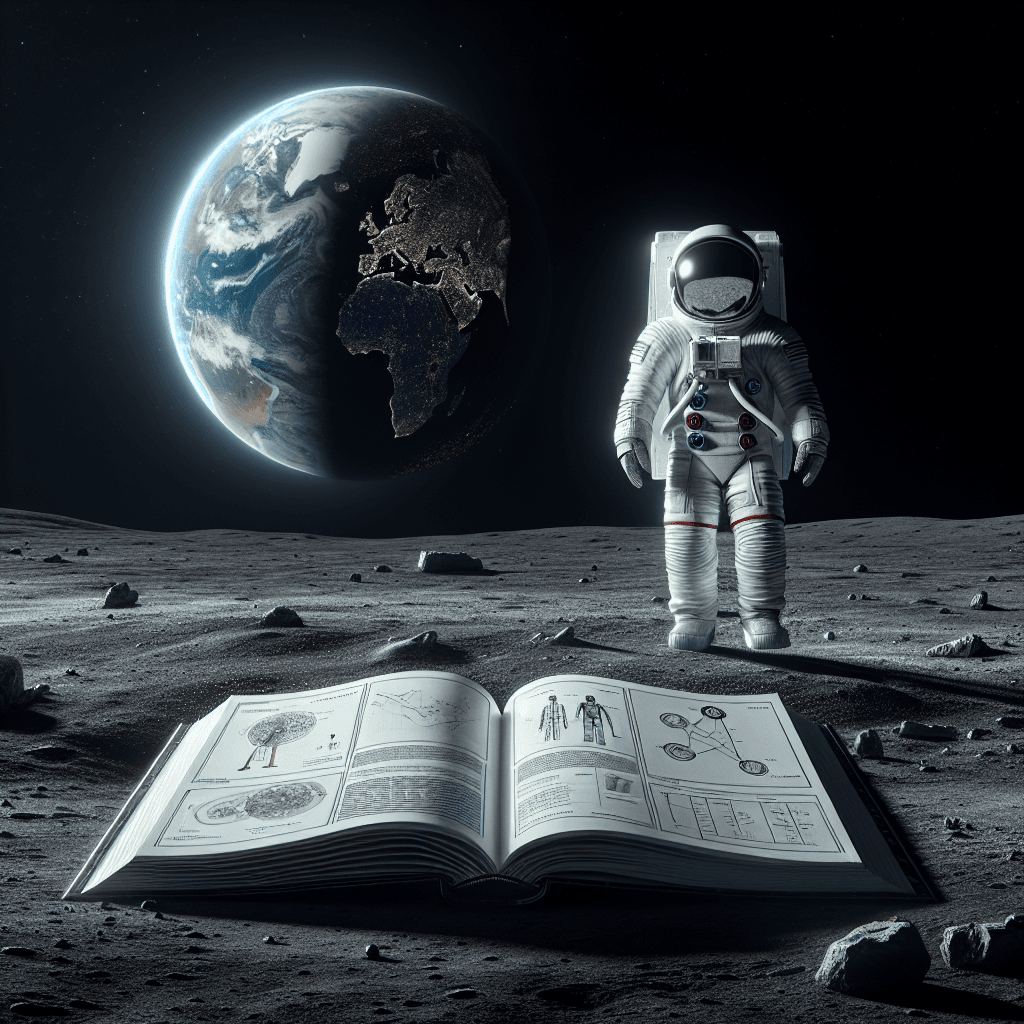
Too Long; Didn't Read
TLDR: The sunlit moon surface was so bright that the cameras needed fast shutter speeds and small apertures. These settings, perfect for the bright foreground, were not sensitive enough to capture the faint light of the distant stars in the background.
The Case of the Missing Stars: Why are there no stars in the photos taken by astronauts on the moon?
When you gaze upon the iconic photographs from the Apollo missions—an astronaut's footprint in the lunar dust, the American flag standing against an inky void—one detail often sparks curiosity and, for some, suspicion. The sky is a deep, profound black, completely devoid of the twinkling stars we see from Earth. This observation has fueled decades of conspiracy theories, but the truth isn't found in a Hollywood studio. It's found in the fundamental principles of photography. This post will illuminate the simple, scientific reasons why the lunar sky appears starless in those historic images.
The Glare of the Sun: A Tale of Two Light Sources
The primary reason for the missing stars is the extreme contrast between the brightly lit lunar surface and the faint light of distant stars. During the Apollo landings, the astronauts were working in direct, unfiltered sunlight. The moon has no atmosphere to scatter light, which means the sun's glare is incredibly harsh, and the shadows are pitch black. The lunar surface, or "regolith," is also highly reflective, bouncing that intense sunlight everywhere.
Think of it like this: stand in a brightly lit room at night and try to take a picture of the faint city lights outside your window. Your camera will automatically adjust to the bright light inside, making the much dimmer lights outside invisible. To capture the outdoor lights, you'd have to turn off the lights in your room. The astronauts on the moon couldn't "turn off" the sun. They and their entire landscape were the brightly lit room, and the stars were the faint city lights.
How a Camera Works: Exposure and Dynamic Range
Photography is all about controlling light. To get a clear picture of the astronauts in their brilliant white spacesuits and the sun-drenched landscape, the NASA photographers had to use very specific camera settings.
The Exposure Triangle
The settings on their specialized Hasselblad cameras were dictated by the overwhelming brightness of the scene. This involves three key elements:
- Shutter Speed: This is how long the camera's shutter stays open to let light hit the film. To prevent the intense sunlight from completely washing out the photo, a very fast shutter speed was necessary (often around 1/150th or 1/250th of a second).
- Aperture: This is the size of the opening that light travels through. To limit the amount of light, the astronauts used a very small aperture (a high f-stop, like f/8 or f/11).
These settings—a fast shutter and a small aperture—are perfect for capturing a bright subject. However, they are the exact opposite of what you need to capture faint, distant objects like stars. Astrophotography requires a very slow shutter speed (seconds or even minutes) and a wide-open aperture to gather as much faint light as possible. If the astronauts had used those settings, the moon's surface, the lander, and the astronauts themselves would have been a completely white, overexposed blur.
The Limits of Film
Every camera, whether film or digital, has a "dynamic range"—the ability to capture detail in both the brightest highlights and the darkest shadows of a scene at the same time. The dynamic range of the film used in the 1960s was far more limited than today's advanced digital sensors. The camera simply could not properly expose for the blindingly bright lunar surface and the incredibly faint starlight in the same shot. The astronauts had to choose, and their mission was to document their work on the moon, not to take pictures of the stars.
But Did We Ever See the Stars?
While the iconic photos taken with the standard Hasselblad cameras don't show stars, it's not because they weren't there. In fact, astronauts frequently commented on the brilliant, crystal-clear view of the stars from the moon, especially when they were in the shadow of the lunar module.
Furthermore, a special experiment on the Apollo 16 mission did capture stars. A unique far-ultraviolet camera was set up in the shadow of the lunar module. Because it was shielded from the sun's glare and was designed to see in ultraviolet light, it successfully captured stunning images of nebulae and the Earth's geocorona, with plenty of stars visible in the background. This provides definitive proof that the stars were, in fact, shining brightly above the moon.
Conclusion
The mystery of the missing stars in the Apollo moon photos is not a mystery at all. It's a textbook lesson in photography. The combination of an intensely bright subject, the technical limitations of camera exposure, and the specific goals of the mission meant that capturing the faint light of distant stars was simply not possible. The stark black sky is not evidence of a hoax, but rather a testament to the extreme and alien lighting conditions on the lunar surface. Understanding this simple science allows us to look at those incredible photos with a deeper appreciation for the technical skill it took to capture them and the monumental achievement they represent.


