
Why are wooden pencils usually hexagonal while ballpoint pens are almost always perfectly round
Have you ever wondered why pencils are built with sharp edges while pens embrace a perfect curve? Discover the surprising blend of engineering logic and "anti-roll" physics that dictated the iconic shapes of the two most common tools on your desk.

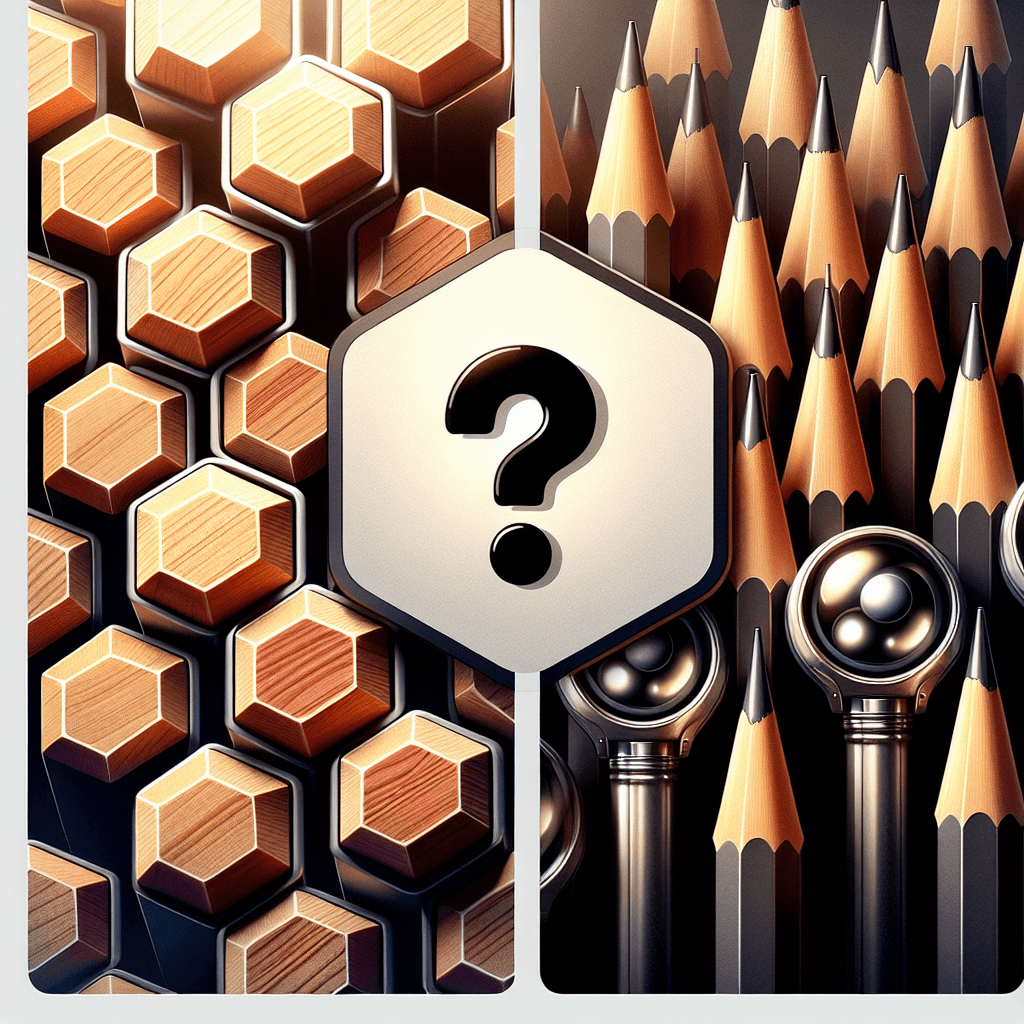
Too Long; Didn't Read
Hexagonal pencils are shaped to prevent them from rolling off slanted desks and to simplify the manufacturing process of sandwiching lead between wooden slats. Ballpoint pens are typically round because they are molded from plastic or metal and the cylindrical shape is more comfortable for rotating and long-term gripping.
The Shape of Success: Why Are Wooden Pencils Usually Hexagonal While Ballpoint Pens Are Almost Always Perfectly Round?
Have you ever paused during a meeting or a study session to wonder why the tools in your hand feel so different? We often use pencils and pens interchangeably to jot down notes, yet their physical forms follow strictly different geometric rules. If you grab a standard yellow pencil, it likely features six flat sides. Pick up a ballpoint pen, however, and it is almost certainly a smooth cylinder. This isn’t a coincidence or a matter of artistic flair. The distinction between these two writing instruments is rooted in a fascinating blend of industrial manufacturing, material science, and user ergonomics. Understanding why wooden pencils are usually hexagonal while ballpoint pens are almost always perfectly round reveals the hidden engineering that goes into our most basic stationery.
The Manufacturing Logic of the Hexagonal Pencil
The primary reason pencils are hexagonal lies in how they are manufactured. Unlike pens, which are often assembled from multiple plastic or metal components, wooden pencils are made using a "sandwich" method.
According to historical manufacturing records from major producers like Faber-Castell, the process begins with thin slats of wood, usually incense cedar. Grooves are cut into these slats, the graphite "leads" are placed inside, and a second grooved slat is glued on top. To turn this wooden sandwich into individual pencils, a milling machine cuts the wood into the desired shape.
The hexagonal shape is preferred for several reasons:
- Reduced Waste: When cutting pencils from a flat block of wood, a hexagonal shape allows the manufacturer to get the maximum number of pencils out of a single slat with minimal sawdust and scrap.
- Structural Integrity: The flat sides provide a stable surface for the blades during the high-speed milling process, ensuring the graphite remains centered and the wood doesn't splinter.
- Anti-Roll Functionality: Pencils are frequently used on drafting tables, school desks, and construction sites. A hexagonal pencil stays where you put it, whereas a round pencil is prone to rolling off slanted surfaces—a major inconvenience when the fragile graphite core can break upon hitting the floor.
Why Round is Right for Ballpoint Pens
If the hexagon is so efficient, why don’t we see hexagonal ballpoint pens more often? The answer lies in the materials used and the mechanics of how we write with ink.
Most modern ballpoint pens are made from molded plastic or extruded metal. Unlike wood, which must be carved or milled, plastic can be easily shaped into a perfect cylinder without any material waste. Furthermore, the internal mechanism of a ballpoint pen—consisting of a cylindrical ink reservoir and a tiny rotating ball at the tip—functions best within a symmetrical housing.
Key reasons for the round pen include:
- Rotational Comfort: Unlike a pencil, which must be rotated periodically to find a sharp point of graphite, a ballpoint pen works the same way regardless of how you hold it. A round barrel allows the writer to intuitively rotate the pen to a comfortable position without being forced into a specific grip by flat edges.
- Manufacturing Ease: Plastic injection molding naturally favors rounded shapes, as they allow for more even cooling of the material and easier ejection from the molds.
- Cap Sealing: Most pens require a cap or a retractable mechanism to prevent the ink from drying out. Creating an airtight seal is significantly easier and more reliable with a circular circumference than with a faceted one.
Ergonomics and the User Experience
The difference in shape also reflects how we use these tools over long periods. Pencils are often used for precision work, such as drawing or technical drafting. The hexagonal facets provide a firm "grip" for the fingers, preventing the tool from slipping when applying pressure.
In contrast, ballpoint pens are designed for high-volume writing. For many users, a round barrel feels more natural during long writing sessions because it doesn't press sharp edges into the calluses of the fingers. As noted in ergonomic studies regarding handwriting, the "tripod grip" (using the thumb, index, and middle finger) adapts easily to a round surface, which distributes pressure more evenly across the skin.
Conclusion
The geometric divide between the hexagonal pencil and the round ballpoint pen is a classic example of "form following function." The pencil’s flat sides are a triumph of woodworking efficiency and a practical solution to the problem of rolling tools. Meanwhile, the roundness of the ballpoint pen celebrates the versatility of plastic molding and the need for a comfortable, rotatable grip during long-form writing.
The next time you reach for a writing instrument, you can appreciate the centuries of industrial evolution held between your fingers. Whether you prefer the tactile edges of a cedar pencil or the smooth glide of a round pen, both shapes have been perfected to help you put your thoughts on paper as efficiently as possible. Understanding these subtle design choices allows us to better appreciate the everyday objects we often take for granted.


