
Why can extreme shock or grief supposedly turn a person's hair white overnight
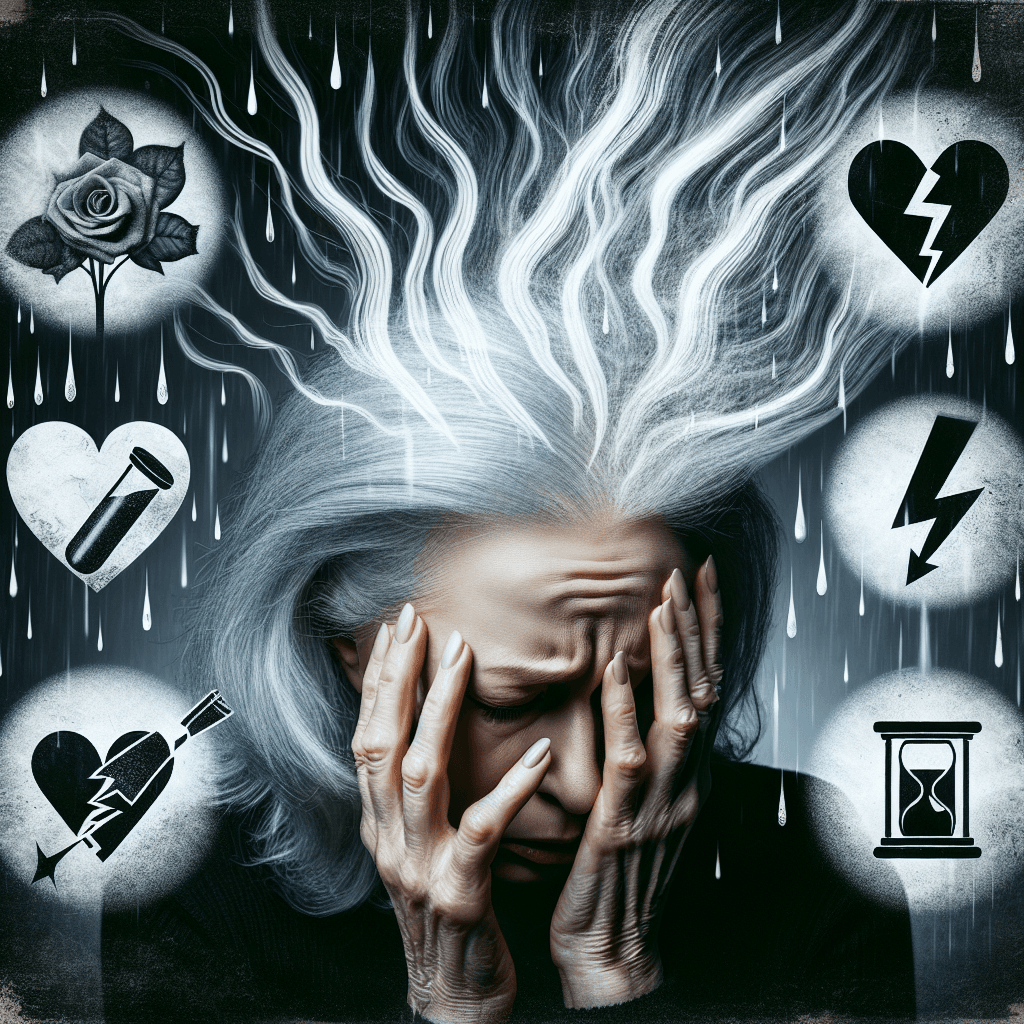
Can a single moment of profound terror literally drain the color from your hair? We're delving into the astonishing science that reveals the shocking truth behind this legendary phenomenon.

Too Long; Didn't Read
TLDR: Hair doesn't actually turn white overnight. Extreme stress can trigger an autoimmune condition that causes your pigmented hairs to fall out rapidly, leaving only the pre-existing white or gray hairs behind, creating the illusion of a sudden change.
From Color to White: Unraveling the Science Behind Why Extreme Shock or Grief Supposedly Turns Hair White Overnight
We’ve all heard the stories, whispered through history and depicted in dramatic films: a person endures a night of immense terror or profound grief, only to emerge the next morning with a full head of white hair. The most famous tale is of Marie Antoinette, whose auburn locks were said to have turned stark white the night before she faced the guillotine. This phenomenon, often called "Marie Antoinette syndrome," seems like a biological impossibility. Can the body truly react to emotional trauma so swiftly and dramatically? This post will delve into the science behind this fascinating claim, separating historical myth from biological fact to understand how extreme stress truly impacts our hair.
What is "Marie Antoinette Syndrome"?
Historically, the term "Marie Antoinette syndrome," or the medical term canities subita, refers to the alleged rapid and complete whitening of hair. Anecdotes span centuries, from English martyr Thomas More to modern-day accounts of accident survivors. For a long time, these stories were dismissed by scientists as folklore. After all, the hair shaft that we see is not living tissue; it’s primarily composed of dead, keratinized cells. Once a hair has grown out of the follicle with its pigment (melanin) locked in, no known biological process can reach into the shaft and "bleach" it from the inside out. So, how do we explain these persistent accounts?
The Myth of Overnight Bleaching
Let's be clear: an individual strand of pigmented hair cannot lose its color and turn white overnight. The color of your hair is determined by pigment-producing cells called melanocytes, which are located in the hair follicle. These cells inject melanin into the hair as it grows. Once that hair is out, its color is set.
The illusion of "overnight" whitening is not caused by individual hairs changing color, but by a different, stress-related mechanism. The truth is far more complex and involves a combination of two distinct processes: how stress affects pigment production for future hair and how it can cause the selective loss of existing hair.
The Real Science: A Tale of Stem Cells and Hair Loss
Modern research, particularly a landmark 2020 study from Harvard University, has illuminated the direct link between acute stress and the cells that color our hair. The process isn't about bleaching; it's about depleting the source of future color.
The Fight-or-Flight Response and Pigment Depletion
Our body's "fight-or-flight" response, managed by the sympathetic nervous system, is designed to help us survive acute threats. Here’s how it impacts our hair follicles:
- Stress Triggers a Chemical Surge: In moments of extreme stress or fear, the body is flooded with the neurotransmitter norepinephrine.
- Stem Cells Go into Overdrive: This surge of norepinephrine over-activates the melanocyte stem cells (McSCs) within the hair follicle—the reservoir that creates new pigment-producing cells for each hair growth cycle.
- The Reservoir Runs Dry: The stem cells are all converted into pigment-producers at once, prematurely exhausting the follicle's supply. It's like a factory using up all its raw materials in a single, frantic production run.
- Future Hair Grows Unpigmented: Once this reservoir of stem cells is gone, it's gone for good. Any new hair that grows from that follicle will lack pigment, emerging as gray or white.
This process explains how a period of intense stress can lead to permanently graying hair, but it doesn't happen overnight. It affects the next generation of hair growth.
The "Overnight" Illusion: Alopecia Areata
So where does the sudden appearance of white hair come from? The most widely accepted scientific explanation is a condition called alopecia areata diffusa. This is an autoimmune condition, often triggered by severe stress, where the body's immune system mistakenly attacks hair follicles.
Crucially, this condition tends to preferentially target pigmented hairs, causing them to fall out rapidly. Gray or white hairs, which lack pigment, are often spared. The result is a sudden, dramatic shedding of all the colored hair on a person's head over a few days or weeks. This leaves only the pre-existing white and gray hairs behind, creating the powerful illusion that the person's hair turned white overnight.
Conclusion: A Biological Reality Behind the Legend
So, can your hair turn white overnight from shock? The answer is both no and yes. No, individual strands of hair cannot be bleached of their color by stress. But yes, a person can appear to go white in a remarkably short period. This dramatic transformation is not a myth but a real biological event driven by a "perfect storm" of stress-related factors. The accelerated depletion of pigment-producing stem cells ensures future hair will be gray, while the rapid, stress-induced shedding of pigmented hair unmasks the white hair that was already there. The legend of Marie Antoinette endures not as a fairytale, but as a powerful testament to the profound and visible ways our bodies respond to the invisible burdens of extreme emotional distress.


