
Why can ice skating temporarily make your feet shrink in size
That strange sensation of your skates getting looser isn't just in your head. Discover the fascinating science behind how a session on the ice can temporarily cause your feet to shrink.

Too Long; Didn't Read
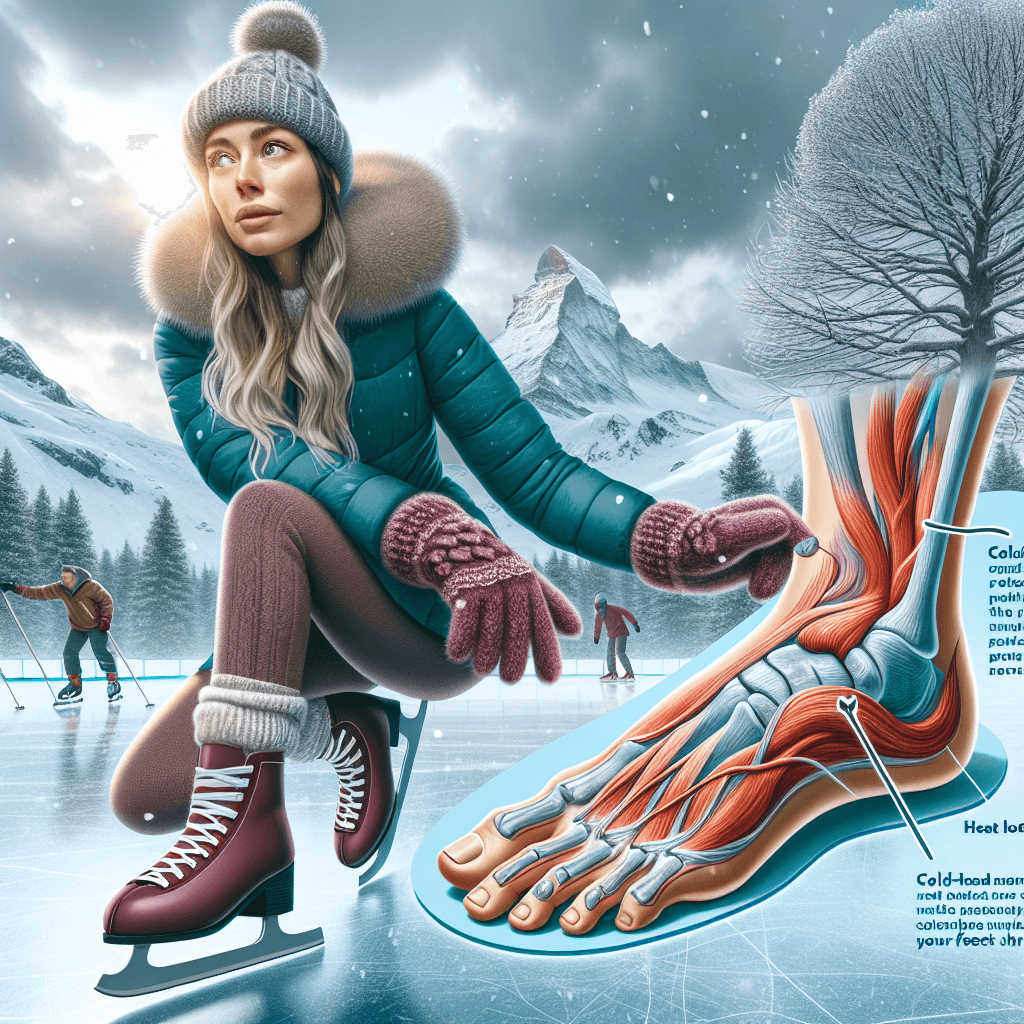
The combination of cold constricting your blood vessels and the tight pressure from the skate squeezing fluid out of your foot tissues temporarily reduces their overall volume, making your feet smaller.
The Chilling Truth: Why Can Ice Skating Temporarily Make Your Feet Shrink in Size?
Have you ever finished a long, exhilarating session at the ice rink, unlaced your skates, and felt like your regular shoes were suddenly a size too big? It’s a strange and common sensation among skaters, but it’s not just a feeling—it’s a real, physiological phenomenon. Your feet can, in fact, temporarily decrease in size after ice skating. This post will explore the fascinating science behind this temporary shrinkage, breaking down the combination of cold, pressure, and exertion that makes it happen.
The Primary Culprit: Cold-Induced Vasoconstriction
The most significant factor behind your shrinking feet is the cold environment of the ice rink. Your body is a master of self-regulation, and its primary goal is to keep your core warm to protect vital organs. When exposed to cold, it initiates a process called vasoconstriction.
In simple terms, vasoconstriction is the narrowing of your blood vessels. To conserve heat, your body intentionally reduces blood flow to your extremities—your hands, and most importantly for this topic, your feet. Think of it like rerouting traffic away from side streets to keep the main highway flowing. With less warm blood flowing into the tissues of your feet, two things happen:
- The tissue itself cools down.
- The overall volume of fluid in your feet decreases.
This reduction in blood volume is the main reason for the noticeable, albeit temporary, decrease in your foot's size. Your foot becomes slightly less plump and swollen than it normally is.
More Than Just the Cold: Muscle Contraction and Compression
While the cold does most of the heavy lifting, two other factors contribute to the "shrinking" effect.
The Squeeze of a Snug Skate
A properly fitted ice skate should be snug, providing firm support to your ankle and foot. This tight fit acts like a compression garment. The constant, steady pressure exerted by the boot helps to push excess interstitial fluid (the fluid that exists in the spaces between your cells) out of your foot's tissues. This fluid is then moved into the lymphatic system, which circulates it back toward the core of your body. This mechanical squeezing action further reduces the overall volume of your foot.
The Power of Muscle Engagement
Ice skating is a surprisingly intense workout for the intricate network of muscles in your feet and lower legs. These muscles are constantly firing to help you balance, steer, push off, and stop. This continuous muscle contraction also plays a role in pushing fluid out of the muscle tissue, contributing to the temporary reduction in size. The combination of the skate's external pressure and the internal pressure from muscle work creates a powerful fluid-reducing effect.
So, the temporary shrinkage is a result of a three-pronged effect:
- Cold: Reduces blood flow via vasoconstriction.
- Compression: The tight skate physically squeezes fluid out.
- Contraction: Active muscles push fluid away.
Don't Worry, The "Shrink" is Only Temporary
If you're worried about this change, rest assured it is completely normal and short-lived. Once you are off the ice and your feet begin to warm up, your body reverses the process. It triggers vasodilation, causing your blood vessels to widen again. Normal blood flow returns to your feet, the tissues rehydrate and warm up, and they quickly return to their original size, usually within 30 to 60 minutes.
In conclusion, the curious case of shrinking feet on the ice is a perfect example of your body's remarkable ability to adapt to its environment. It's not your imagination; it's a dynamic interplay between cold-induced vasoconstriction, the compression from a well-fitted skate, and the demands of intense muscle activity. So, the next time you step off the rink and your sneakers feel a bit roomy, you can smile knowing the precise physiological reasons behind this cool and temporary phenomenon.


