
Why can some people produce a loud rumbling sound in their ears just by tensing a muscle
Ever wondered if that low, thunderous roar you can trigger in your head is a secret physical "superpower"? Discover the fascinating science behind the "ear rumblers" and the hidden muscle responsible for this internal storm.

Too Long; Didn't Read
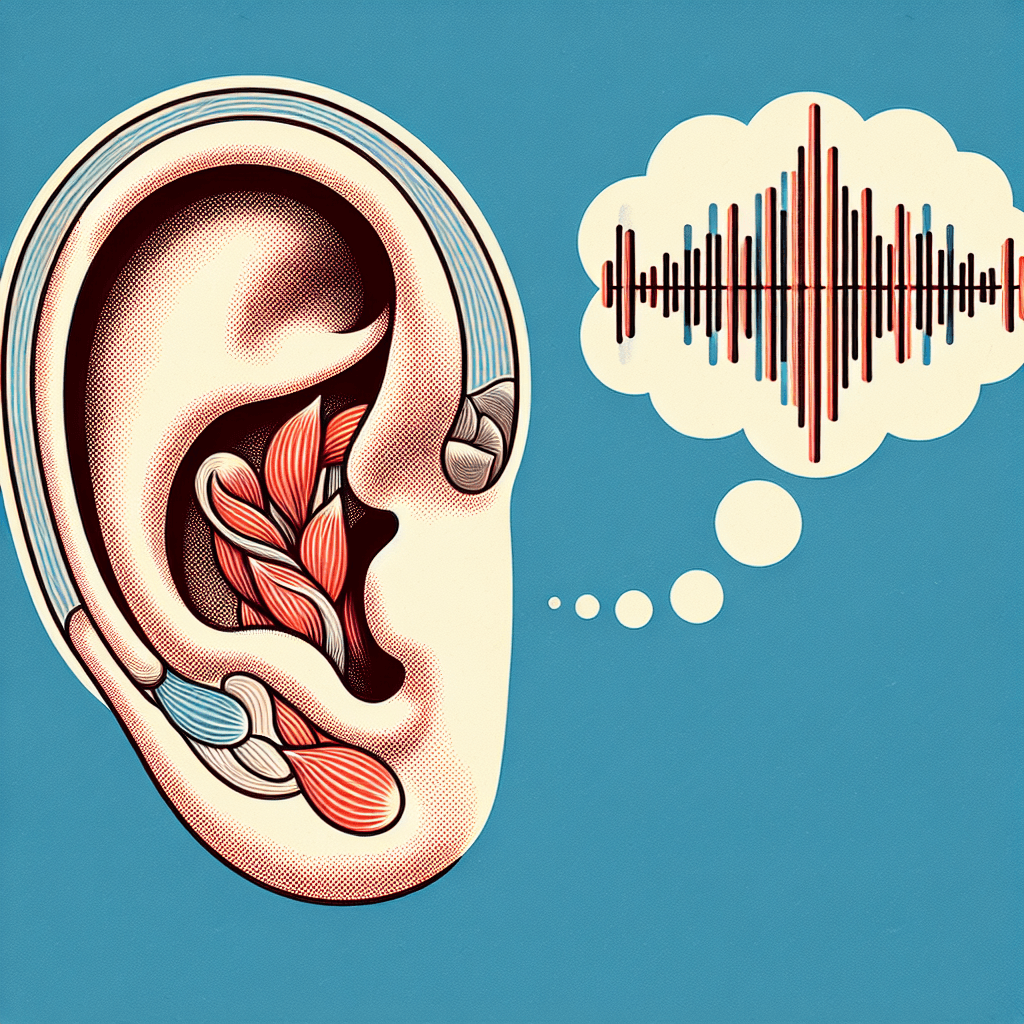
Some people can voluntarily contract the tensor tympani, a small muscle in the middle ear designed to dampen loud external noises. When flexed, this muscle creates low-frequency vibrations that the individual perceives as a deep rumbling or thundering sound. While most people only experience this reflexively, those who can do it on command possess a rare ability to control their internal acoustic environment.
The Science of Ear Rumbling: Why Can Some People Produce a Loud Rumbling Sound in Their Ears Just by Tensing a Muscle?
Have you ever squeezed your eyes shut tightly or flexed your jaw and heard a deep, low-frequency "thunder" echoing inside your head? If you have, you belong to a unique group of individuals who can voluntarily control one of the smallest muscles in the human body. While it might feel like a strange, internal superpower, this phenomenon is a well-documented biological function. For those who cannot do it, the concept is often baffling, leading to the question: Why can some people produce a loud rumbling sound in their ears just by tensing a muscle? This post explores the anatomy of the middle ear and the fascinating mechanics behind the "ear rumble."
Understanding the Tensor Tympani Muscle
The secret to this internal sound lies in a tiny, ribbon-like muscle known as the tensor tympani. Located within the middle ear, its primary role is to manage the tension of the eardrum (the tympanic membrane). Under normal circumstances, this muscle reacts involuntarily to protect our hearing from loud, external noises.
When the tensor tympani contracts, it pulls the malleus—one of the three tiny bones in the middle ear—away from the eardrum. This action tenses the eardrum, which dampens the vibrations sent to the inner ear. According to physiological research published in journals such as Nature, this "acoustic reflex" is vital for preventing damage from high-decibel sounds, including the sound of our own chewing or shouting.
How the Rumble is Produced
The rumbling sound itself is not actually "noise" from the outside world. Instead, it is the sound of muscle fibers vibrating. When you voluntarily contract the tensor tympani, you are essentially hearing the mechanical vibration of the muscle's own contraction, amplified by its proximity to the ear canal.
Key characteristics of this phenomenon include:
- Low Frequency: The sound is usually described as a low-pitched roar or a rolling thunder.
- Vibration-Based: It is technically a "myoclonus," or a muscle twitch/contraction sound.
- Duration: Most people can only sustain the rumble for a few seconds before the muscle fatigues.
Interestingly, while the muscle is meant to respond to external stimuli, a small percentage of the population has the rare ability to trigger this contraction at will. This is similar to how some people can wiggle their ears or raise a single eyebrow; it requires a specific level of conscious neuromuscular control that isn't universal.
The Purpose of the Acoustic Reflex
Biologically, the ability to produce this sound isn't just a quirk; it serves a protective function. The tensor tympani acts as a built-in volume knob. By dampening vibrations, it helps:
- Protect the Inner Ear: It prevents the delicate hair cells in the cochlea from being overwhelmed by loud noises.
- Filter Internal Noise: It helps mask the low-frequency sounds produced by our own bodies, such as the sound of our blood rushing or the grinding of our jaw.
- Improve Speech Recognition: By filtering out low-frequency "masking" sounds, it allows the ear to better pick up higher-frequency sounds, such as human speech.
A Shared Experience
For a long time, many "ear rumblers" believed they were alone in this experience because the sound is completely internal and cannot be heard by others. However, the rise of the internet has fostered communities, such as the popular "Ear Rumblers Assemble" group on Reddit, where tens of thousands of people share their experiences. Research into these communities suggests that while the ability is not rare, it is often discovered by accident during childhood when yawning or closing one’s eyes tightly.
Conclusion
The ability to produce a loud rumbling sound in your ears by tensing a muscle is a fascinating example of human anatomy in action. It is caused by the voluntary contraction of the tensor tympani muscle, a component of the middle ear designed to protect our hearing. Whether you use this ability to drown out annoying background noise or simply discovered it as a childhood curiosity, it serves as a reminder of the complex, hidden mechanisms that allow our bodies to interact with and process the world around us. Understanding the "why" behind this rumble demystifies a common yet hidden biological trait, proving that even the smallest muscles can make a lot of noise.


