
Why can you sometimes startle yourself awake with your own snore
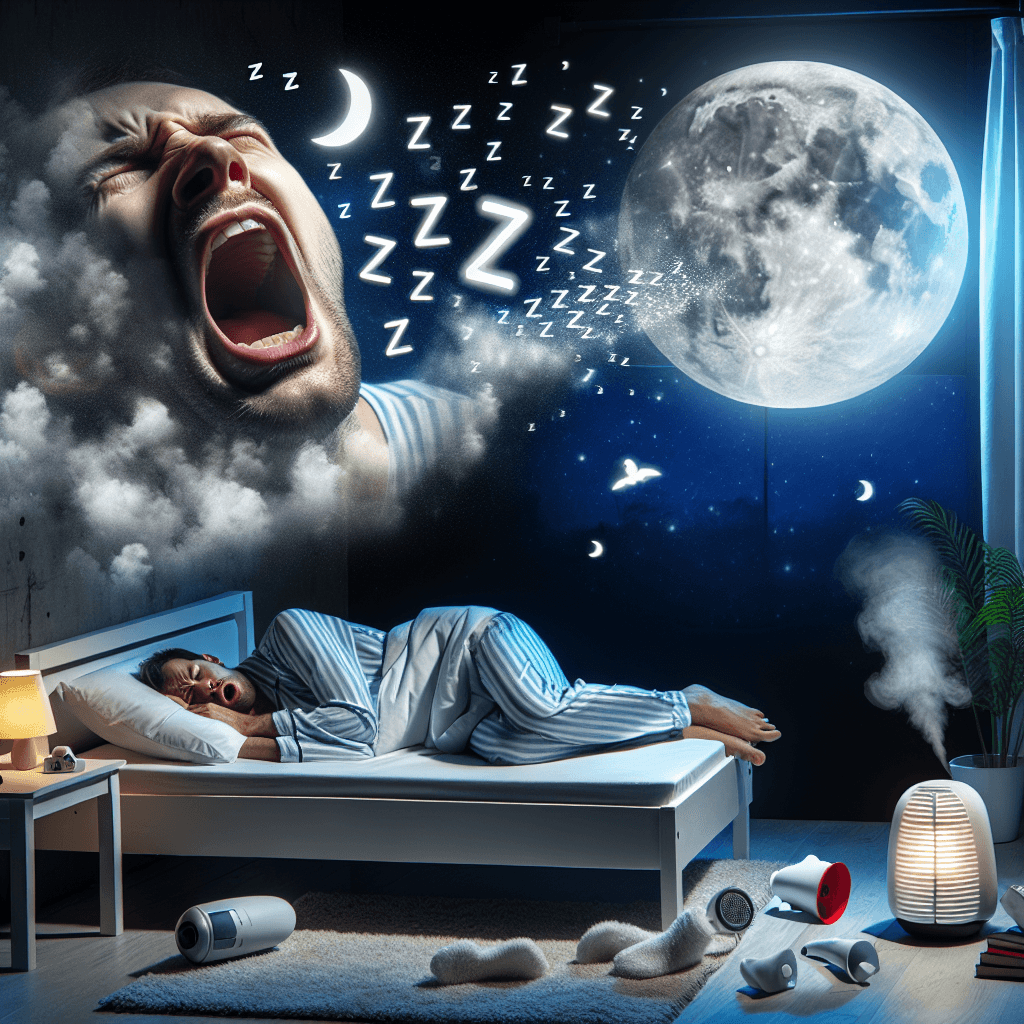
It's the ultimate sleep betrayal—being startled awake by a snore, only to realize it was your own. This bizarre phenomenon is more than just a noisy nuisance; it's your brain hitting the panic button for a crucial reason.

Too Long; Didn't Read
TLDR: Your brain usually filters out your own snoring, but a particularly loud one can break through and wake you. More importantly, that startling gasp or snort is often your body's emergency alarm, waking you because your airway has become blocked and you've briefly stopped breathing, a key sign of sleep apnea.
The Midnight Nudge: Why Can You Sometimes Startle Yourself Awake With Your Own Snore?
It’s a bizarre and slightly comical moment: you’re drifting in a dream, and suddenly a loud, guttural sound jolts you back to reality. For a disoriented second, you might look for the source of the noise before the dawning realization—it was you. You snored so loudly that you woke yourself up. While it might seem like a simple, albeit embarrassing, event, this phenomenon is a fascinating intersection of physiology, acoustics, and your brain's nightly security detail. Waking yourself with a snore isn't just a funny quirk; it can be your body's way of sending you a crucial message. This post will explore the science behind why your brain sometimes fails to ignore its own noise and what that sudden awakening might be telling you.
What's Actually Happening When You Snore?
Before we can understand why a snore wakes you up, we need to understand what a snore is. It’s not just the sound of breathing; it’s the sound of an obstruction. As you fall asleep, the muscles in your throat, soft palate, tongue, and uvula relax. For some people, these tissues can relax enough to partially block the airway. As air struggles to pass through this narrowed passage, it causes the surrounding tissues to vibrate. That vibration produces the sound we all know as snoring. The narrower the airway, the more forceful the airflow becomes, and the louder and more intense the vibration—and the snore—will be.
Your Brain on Noise: The Sleep Arousal Threshold
During sleep, your brain doesn’t completely shut off from the outside world. Instead, it acts like a bouncer at a club, deciding which sensory inputs are important enough to warrant waking you up. This sensitivity level is known as the "auditory arousal threshold." It's the reason you can often sleep through the gentle hum of a fan or distant traffic but will likely wake up to a smoke alarm or a baby crying.
This threshold isn't static; it changes depending on your sleep stage. In deeper stages of sleep (like Stage 3 or REM sleep), your arousal threshold is very high, and it takes a much louder or more significant noise to wake you. However, in lighter sleep stages (Stages 1 and 2), you are much more susceptible to being disturbed by sounds—including those you create yourself.
So, Why Does Your Own Snore Break Through?
Your brain is remarkably good at filtering out familiar and self-generated sounds. It's a process called sensory gating. So why does it sometimes fail? The answer usually comes down to two factors: intensity and irregularity.
-
Sheer Loudness: The primary culprit is volume. While an average snore might be around 40-50 decibels (the sound of a quiet library), some snores can exceed 80 or even 90 decibels. According to sleep experts, that's as loud as a lawnmower or a blender. When your snore reaches that level of intensity, it’s simply too loud for your brain's filtering system to ignore, regardless of the source. It crosses the arousal threshold and triggers a brief awakening.
-
A Sudden Change in Pattern: A low, consistent rumble is easier for the brain to tune out. However, snoring is often irregular. A particularly violent snort or a sudden, explosive gasp for air is an abrupt change in the auditory environment. This sudden change can be interpreted by the brain as an alarm signal, causing you to startle awake.
When It's More Than Just a Loud Noise: The Sleep Apnea Connection
Waking yourself up with a snore is not always benign. Frequently, it is a hallmark symptom of Obstructive Sleep Apnea (OSA). OSA is a serious sleep disorder where the airway doesn't just narrow but closes completely, causing you to stop breathing for seconds or even minutes at a time.
When this happens, your brain senses the drop in oxygen levels and sends a panic signal to your body. It forces a partial or full awakening to re-engage the throat muscles and reopen the airway. This awakening is often accompanied by a loud snort, gasp, or choking sound. In this case, it’s not just the sound that wakes you up; it’s your body’s emergency response system kicking in. The snore is simply the audible result of the first breath you take after a period of non-breathing.
Conclusion
Waking up to the sound of your own snore is a clear signal that something has disrupted your sleep. In many cases, it’s simply a snore that has become loud enough to bypass your brain's natural noise-canceling abilities, especially during a lighter stage of sleep. However, it should not be dismissed lightly. This self-awakening can be a critical indicator that your breathing is being compromised during the night, pointing toward a condition like sleep apnea that requires medical attention. So the next time you jolt yourself awake, listen to what your body might be telling you. Understanding the "why" is the first step toward achieving quieter and, more importantly, healthier and more restful nights.


