
Why did a medieval religious order require its monks to marry the dead
In the chilling annals of history, one religious order believed the path to heaven wasn't through prayer, but through a holy union with a corpse.

Too Long; Didn't Read
TLDR: A medieval order had monks symbolically marry the dead as a spiritual commitment to pray for the deceased's soul. This ritual also served as a legal mechanism for the monastery to inherit the dead person's land and wealth.
Blog Post Title: Marrying the Dead: Unraveling the Myth of a Strange Medieval Monastic Vow
Introduction
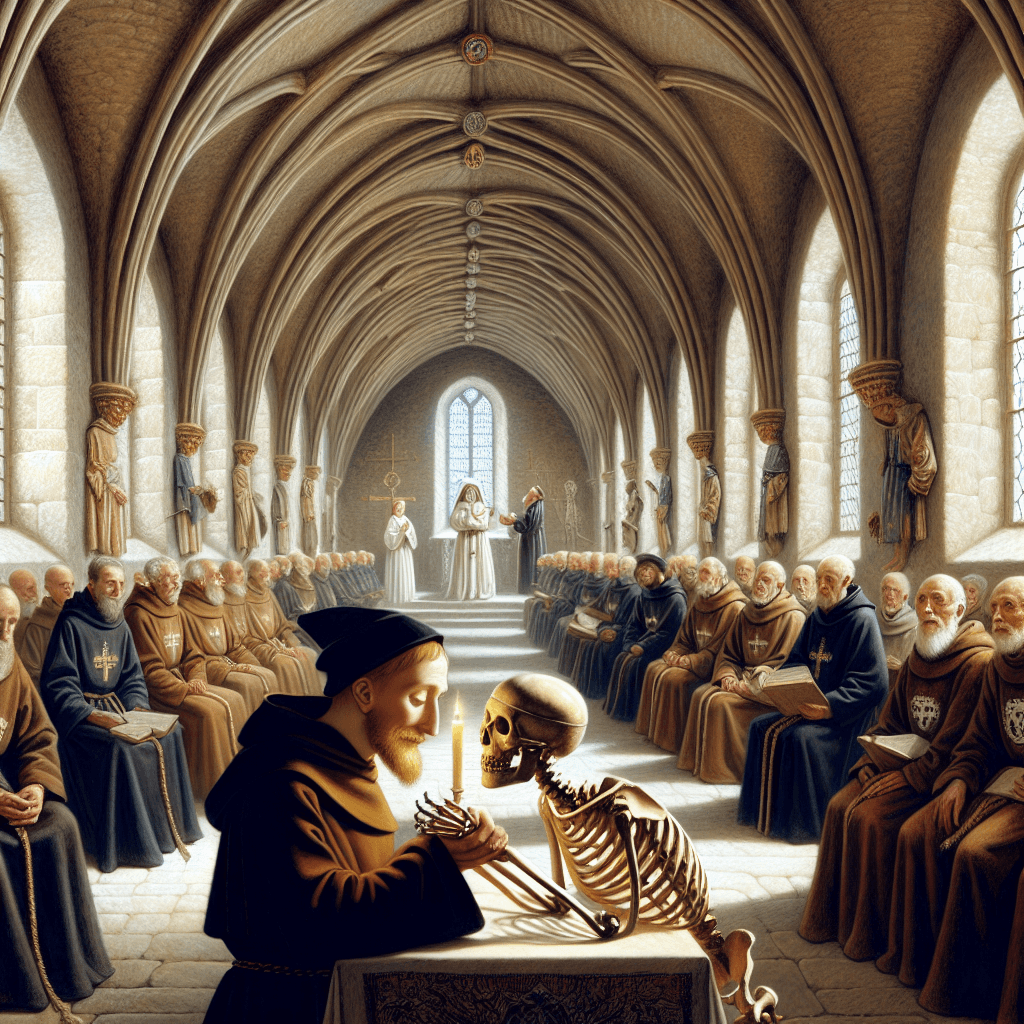
Imagine the scene: a dimly lit chapel, stone walls echoing with solemn chants. A monk, sworn to a life of piety, stands before an altar. But instead of a living bride, his vows are directed toward a corpse. It's a shocking and macabre image that sounds like something torn from the pages of gothic fiction. The question, "Why did a medieval religious order require its monks to marry the dead?" has circulated in corners of the internet and historical forums, sparking both curiosity and disbelief. But did this strange rite ever truly happen? This post will investigate the origins of this compelling claim, separate historical fact from fiction, and explore the real-world practices that may have inspired one of history's most fascinating myths.
The Core Claim: Fact or Fiction?
Let’s address the central question head-on: There is no credible historical evidence to suggest that any recognized Christian religious order in medieval Europe required its monks to marry the dead. Mainstream monasticism, governed by rules like the Rule of Saint Benedict, centered on three core vows: poverty, chastity, and obedience. The vow of chastity, in particular, was a lifelong commitment to celibacy, renouncing the spiritual and physical union of marriage entirely. The concept of marrying anyone, living or deceased, would have been a direct and severe violation of this foundational principle.
So, if it never happened, why does the story persist? The answer lies in a combination of cultural confusion, the popular image of the "Dark Ages," and a misunderstanding of other real, but distinct, traditions.
Potential Origins of a Puzzling Myth
While European monks were not marrying corpses, several other historical and cultural phenomena may have been blended over time to create this misconception.
Ghost Marriages in Other Cultures
The practice of posthumous marriage, often called a "ghost marriage," is a real tradition, but it has no connection to medieval European monasticism. This ritual has been documented in various cultures, most notably in China (mínghūn) and Sudan. The reasons for it vary widely:
- To provide a spouse for someone who died unmarried, ensuring they are not alone in the afterlife.
- To continue a family lineage.
- To fulfill a promise of marriage broken by death. These are folk traditions rooted in specific cultural beliefs about ancestry and the afterlife, entirely separate from the doctrines of Christian monastic orders.
The Allure of the Macabre Middle Ages
The medieval period is often popularly imagined as a time of unrelenting darkness, strange superstitions, and grim practices. While the era certainly had its hardships, this perception is often exaggerated. A story about monks marrying the dead fits perfectly into this sensationalized narrative. It’s a "fact" that feels like it could be true because it aligns with our modern stereotypes of the period as a bizarre and morbid time. Fictional works and folklore often play on these themes, and over time, the lines between story and history can blur.
Confusion with Other Ascetic Vows
While marrying the dead wasn't on the agenda, monks and other religious ascetics did engage in practices that seem extreme to a modern audience. Vows of silence, severe fasting, self-flagellation, and sleeping on hard surfaces were all real forms of penance and devotion. These practices were designed to mortify the flesh and focus the mind entirely on God. It is plausible that stories of these extreme devotions became distorted over centuries, evolving into the even more shocking (but fictional) tale of marrying a corpse.
What Monastic Vows Were Actually About
To understand why the myth is so unlikely, it’s helpful to understand the purpose of real monastic vows. The goal of a monk was to dedicate his life wholly to God, removing all worldly distractions.
- Poverty: Renouncing personal possessions to avoid attachment to material wealth.
- Chastity: Abstaining from all sexual relationships and marriage to devote one's love and energy to God alone.
- Obedience: Submitting one's will to that of God, as represented by the abbot of the monastery.
These vows created a structured life of prayer and work, free from the worldly concerns of family, property, and personal ambition. Marrying the dead would not only violate the vow of chastity but would also introduce a bizarre and earthly attachment that monastic life was designed to eliminate.
Conclusion
The idea of a medieval religious order requiring its monks to marry the dead is a powerful and enduring myth, but a myth nonetheless. There is no historical basis for this claim within Christian monasticism. Instead, the story likely emerged from a blend of misunderstood cultural practices like ghost marriages, our modern fascination with the "Dark Ages," and the garbling of tales about real, albeit less sensational, ascetic practices. While the image is certainly captivating, the reality of monastic life was one of structured devotion, not macabre ceremony. The truth, in this case, reminds us of the importance of questioning sensational claims and appreciating history for what it was, not just what we imagine it to be.


