
Why did early monks design the pretzel to look like a pair of arms crossed in prayer
Ever wondered why your favorite salty snack looks like it’s giving itself a hug? Discover the sacred secret behind the pretzel’s twist and how 7th-century monks transformed humble dough into a divine symbol of prayer.

Too Long; Didn't Read
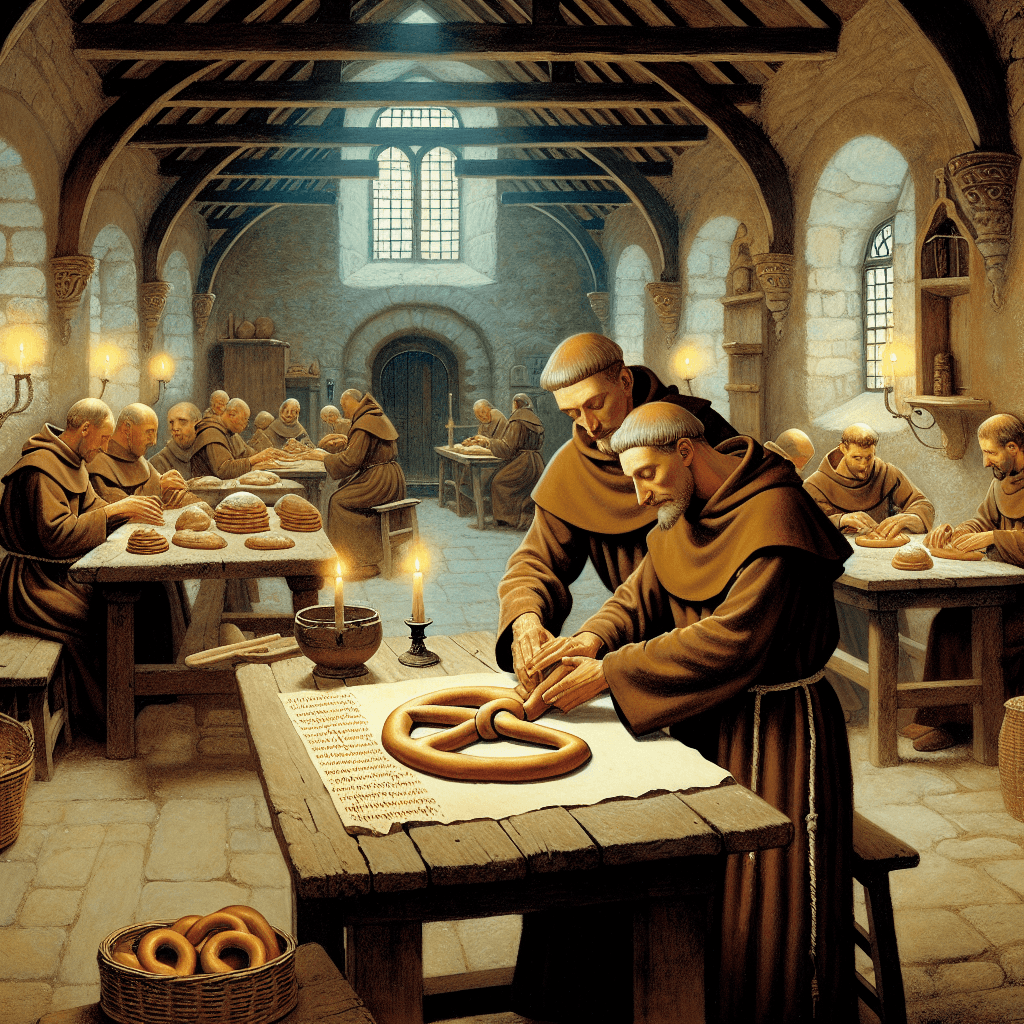
Monks designed pretzels to resemble the traditional prayer position of crossing arms over the chest. These baked goods were originally given as rewards to children for learning their prayers, with the three distinct holes symbolizing the Holy Trinity.
Faith in Every Bite: Why Did Early Monks Design the Pretzel to Look Like a Pair of Arms Crossed in Prayer?
Have you ever stopped to consider the architectural complexity of a simple pretzel? While we often view this salty treat as a staple of ballgames and street vendors, its origins are deeply rooted in the silent halls of medieval monasteries. According to culinary historians, the pretzel was not originally created for commercial sale, but as a symbolic tool for spiritual education. This leads us to a fascinating historical question: Why did early monks design the pretzel to look like a pair of arms crossed in prayer? By examining the intersection of 7th-century religious practices and dietary restrictions, we can uncover how this humble snack became a powerful symbol of faith and discipline.
The Origins of the "Pretiola"
Most historical accounts trace the invention of the pretzel back to the year 610 AD. It is widely believed that a monk in either Northern Italy or Southern France was baking unleavened bread for Lent—a season of fasting and penance in the Christian liturgical calendar. During this time, strict religious laws prohibited the consumption of eggs, lard, milk, and butter.
Working with a simple dough of flour, water, and salt, the monk looked for a way to make the bread more meaningful for his students. He twisted the dough into a shape that would serve as a visual aid for children learning their devotions. These early creations were called pretiolas, a Latin term meaning "little rewards," and were given to children who successfully memorized their prayers and Bible verses.
The Symbolism of the Crossed Arms
The most distinctive feature of the pretzel is its knotted shape. To understand why did early monks design the pretzel to look like a pair of arms crossed in prayer, one must look at the historical posture of worship.
- The Ancient Prayer Position: In the early Middle Ages, the common posture for prayer was not the modern tradition of clasping hands together. Instead, worshippers would cross their arms over their chests, placing each hand on the opposite shoulder.
- "Bracellae": This shape mirrored the "folded arms" stance perfectly. In fact, the German word Brezel is derived from the Latin bracellae, which translates literally to "little arms."
- A Visual Reminder: By shaping the dough this way, the monks created a tactile and edible reminder of the spiritual life. For a child holding a pretzel, the snack was a physical representation of the very act of devotion they were being praised for performing.
The Significance of the Three Holes
The design of the pretzel served a dual symbolic purpose. While the outer shape represented the person in prayer, the interior spaces created by the twist held their own theological meaning.
The three holes formed by the traditional pretzel knot were intended to represent the Holy Trinity: the Father, the Son, and the Holy Spirit. In an era where literacy was low and religious instruction was primarily oral and visual, these "edible icons" were effective pedagogical tools. Every element of the pretzel—from its ingredients to its silhouette—was intentionally crafted to align with church doctrine.
The Pretzel as a Symbol of Luck and Prosperity
As the design spread from monasteries into the wider European culture, the pretzel’s symbolism evolved while maintaining its religious roots.
- Good Omen: Because of its origins as a religious reward, the pretzel came to be seen as a symbol of good luck and spiritual protection.
- The "Wedding Knot": By the 17th century, the "crossed arms" design was used in wedding ceremonies (potentially the origin of the phrase "tying the knot"), where the couple would pull on a pretzel like a wishbone to ensure a prosperous future.
- Lenten Staple: Because the recipe complied with strict fasting rules, pretzels became the official snack of Lent, representing both physical sustenance and spiritual discipline.
Conclusion
The pretzel is far more than a simple twist of dough; it is a centuries-old artifact of religious history. Early monks designed the pretzel to look like a pair of arms crossed in prayer to provide a "little reward" that reinforced the spiritual habits of their students. Through the use of simple ingredients and clever geometry, they transformed a basic food item into a symbol of the Holy Trinity and a representation of the faithful at prayer.
The next time you enjoy a pretzel, you are participating in a tradition that has survived for over 1,400 years. It remains a testament to how even the most mundane objects can be infused with deep meaning and historical purpose. To learn more about the fascinating history of common foods, consider exploring the culinary traditions of the medieval era.


