
Why did Europeans spend centuries eating ground-up ancient mummies to treat their illnesses
For hundreds of years, the secret to good health in Europe wasn’t a pill or a prayer—it was consuming the powdered remains of the ancient dead. Step inside the grisly history of "mumia," where the line between medicine and cannibalism became dangerously blurred.

Too Long; Didn't Read
For centuries, Europeans consumed ground-up human remains because of a linguistic misunderstanding. They believed mummies contained mumia, a natural healing bitumen, but eventually mistook the preserved bodies themselves for the medicine. This led to a macabre medical craze where pulverized ancient Egyptians were sold as a cure-all for everything from headaches to internal bleeding.
The Macabre History of Medical Cannibalism: Why Did Europeans Spend Centuries Eating Ground-Up Ancient Mummies to Treat Their Illnesses?
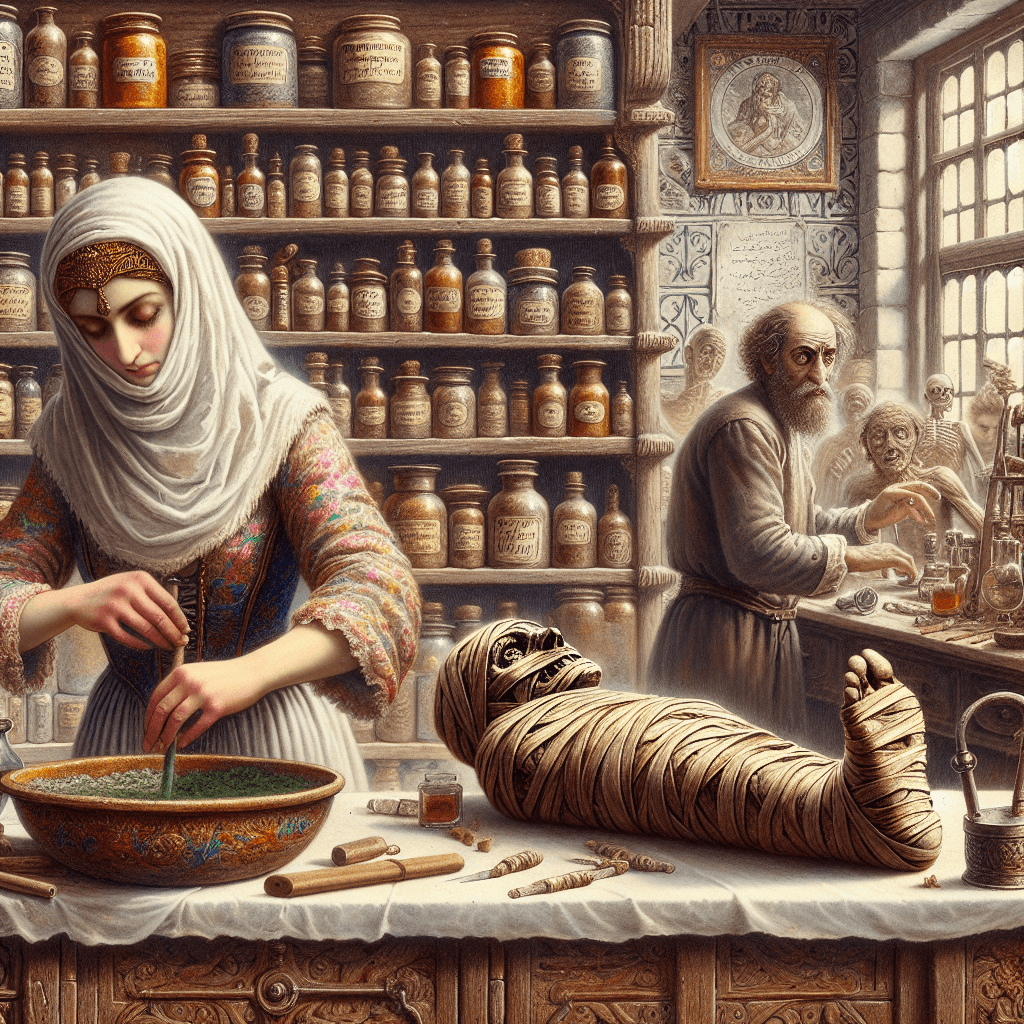
Imagine walking into a 16th-century apothecary and being prescribed a brown, gritty powder to cure your persistent migraine. This powder wasn’t herbal or mineral; it was the pulverized remains of a mummified human body brought all the way from the tombs of Egypt. For hundreds of years, this practice—known as medical cannibalism—was a staple of European healthcare.
While the idea seems repulsive by modern standards, it was once a respected branch of pharmacology. But what drove this obsession with consuming the dead? The answer lies in a fascinating blend of linguistic confusion, ancient medical theories, and a desperate search for "miracle cures." This blog post explores the history behind this strange phenomenon and explains why did Europeans spend centuries eating ground-up ancient mummies to treat their illnesses?
The Great Misunderstanding: From Bitumen to Bodies
The history of mummy-eating began not with a hunger for flesh, but with a search for a specific mineral: bitumen. In the ancient world, bitumen—a natural asphalt-like substance—was highly prized for its medicinal properties. Naturalists like Pliny the Elder recorded its use for treating everything from skin infections to gout.
The Persian word for bitumen is mumia. When Western explorers and translators encountered Egyptian mummies, they noticed they were often coated in a dark, resinous substance that resembled bitumen. This led to a catastrophic linguistic error. Translators mistakenly concluded that the mummies contained or were the medicinal mumia.
By the 12th century, "mumia" no longer referred to a mineral found in the earth; it referred to the black substance found in the cavities of ancient Egyptian corpses. Eventually, the distinction vanished entirely, and the bodies themselves were ground into powder and sold as the drug "mumia."
A Pharmacological Cure-All
Once mummies entered the European pharmacopeia, they were treated as a versatile remedy. Physicians believed that because these bodies had survived for millennia, they possessed a concentrated "vital spark" or life force that could be transferred to the living.
According to historical research published in The Lancet, ground mummy was used to treat a staggering variety of ailments, including:
- Internal Bleeding: It was believed to help blood clot and heal ruptured vessels.
- Inflammation and Joint Pain: Applied as a plaster or ingested to soothe arthritis.
- Headaches and Vertigo: Often mixed with wine or honey to make it more palatable.
- Wounds and Fractures: Used topically to speed up the mending of bones.
The demand was so high that it reached the highest levels of society. King Charles II of England was known to use "King’s Drops," a medicinal tincture that included pulverized human skull, while Francis I of France reportedly carried a pouch of mummy powder at all times in case of emergencies.
The Rise of the "Fake Mummy" Market
As the demand for mummy powder skyrocketed, supply became a significant issue. Genuine ancient Egyptian mummies were difficult and expensive to transport. This scarcity led to a booming trade in "fresh" mummies.
To satisfy the market, unscrupulous merchants began creating counterfeit mummies. They would take the bodies of executed criminals, the poor, or those who died of plague, treat them with bitumen, and dry them in the sun until they looked ancient. According to 16th-century surgeon Guy de la Fontaine, who investigated the trade in Alexandria, even the physicians of the time were often unable to distinguish between a 3,000-year-old pharaoh and a recently deceased peasant once they were ground into dust.
From Medicine to Macabre Entertainment
By the late 18th century, the medical use of mummies began to wane as the Scientific Revolution brought a more rigorous approach to medicine. However, the European fascination with mummies did not disappear; it simply changed form.
During the Victorian era, the "mummy unwrapping party" became a popular social event. Instead of eating the remains, the elite would gather in private parlors or public halls to watch a mummy be stripped of its bandages. While less "medicinal" than previous centuries, this transition highlighted the continued objectification of Egyptian remains as either a commodity or a curiosity rather than human ancestors.
Conclusion
The centuries-long practice of eating ground-up mummies stands as one of the most bizarre chapters in the history of science. It serves as a stark reminder of how easily linguistic errors, combined with a lack of clinical testing, can institutionalize radical medical practices. Why did Europeans spend centuries eating ground-up ancient mummies to treat their illnesses? They did so because they believed they were tapping into an ancient, concentrated source of healing, unaware that their "miracle cure" was born from a simple mistranslation.
Today, this history challenges us to reflect on the ethics of archaeology and the importance of scientific literacy. While we no longer find mummy powder in our local pharmacies, understanding this macabre past helps us appreciate the long, often strange journey of human medicine toward the evidence-based practices we rely on today.


