
Why did one medieval tradition involve a special stool for inspecting new mayors
Forget a simple oath of office; one bizarre medieval tradition required new mayors to first undergo a surprisingly intimate public inspection on a specially designed stool.

Too Long; Didn't Read
TLDR: The special stool, used for Popes not mayors, was legendarily for checking if the candidate was male to prevent another mythical female Pope Joan. In reality, it was likely a symbol of humility, representing being raised by God from a low state.
A Mayor on the 'Inspection Stool'? Uncovering the Truth Behind a Bizarre Medieval Legend
Medieval Europe was a tapestry of peculiar customs and elaborate ceremonies, many of which seem utterly baffling to the modern mind. Imagine this: a newly elected official, in the pinnacle moment of their career, is required to sit on a special chair with a hole in the seat to be physically inspected before the public. It sounds like a scene from a satirical play, yet whispers of this tradition have persisted for centuries. This story is most famously tied to the Papacy, but it often gets linked to other civic leaders, like mayors. This post will delve into the strange tale of the inspection stool, separate historical fact from colorful fiction, and answer the question: why did this medieval tradition supposedly involve a special stool for inspecting new leaders?
The Legend of the Sedia Stercoraria
The heart of this story lies with a specific object: the sedia stercoraria, which translates gruesomely to the "dung chair." This was a porphyry or marble throne with a keyhole-shaped opening in the seat, used for centuries during the consecration of a new Pope in Rome.
According to the popular legend, the ritual was born from scandal. The story goes that in the 9th century, a brilliant woman disguised as a man rose through the church ranks and was elected Pope John VIII. Her secret was only revealed when, during a public procession, "Pope Joan" unexpectedly went into labor and gave birth, dying shortly after. To prevent such an embarrassment from ever happening again, the legend claims the Church instituted a new rule. Every future papal candidate had to sit on the sedia stercoraria so a junior deacon could reach underneath and verify his manhood, allegedly proclaiming, "Testiculos habet et bene pendentes!" ("He has testicles, and they hang well!").
Fact from Fiction: A Myth Takes Root
While the chairs themselves are real artifacts that can still be seen in museums today, the dramatic inspection story is almost universally considered a myth by modern historians. So, where did it come from?
- Anti-Papal Propaganda: The tale of Pope Joan and the subsequent "grope check" gained immense popularity during the Protestant Reformation in the 16th century. It was a powerful piece of satirical propaganda used to mock the Catholic Church and question the legitimacy of papal authority. The story was scandalous, memorable, and served to undermine the institution's sacred image.
- A Misunderstood Symbol: The ritual involving the chair did exist, but its meaning was symbolic, not clinical. The ceremony was likely a lesson in humility.
The Real Purpose of the Porous Throne
If it wasn't for a physical inspection, why did the chair have a hole and a rather unflattering name? The most widely accepted theory connects the chair's use to a passage from the Bible. Psalm 113:7-8 states that God "raiseth up the poor out of the dust, and lifteth the needy out of the dunghill; That he may set him with princes."
By seating the new Pope on the sedia stercoraria (the "dunghill" chair), the ceremony was a powerful symbolic act. It reminded the new pontiff, and all who watched, that his power came not from himself but from God, who had lifted him from a humble, earthly state to the highest office in the Church. It was about spiritual elevation, not physical verification. Other historians suggest the chairs were simply repurposed ancient Roman birthing stools or latrines, chosen for their antiquity and valuable material.
But What About the Mayors?
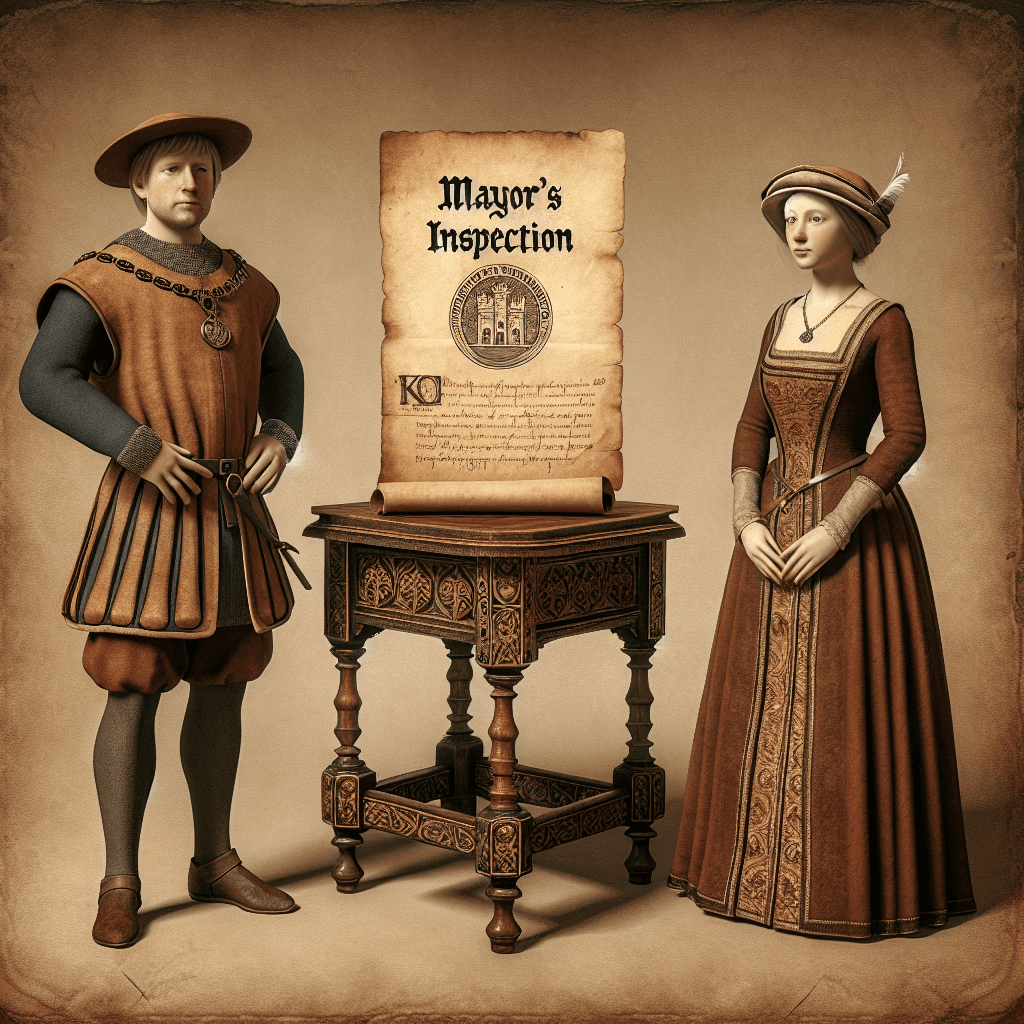
This is where the legend has expanded beyond its original scope. While the story is firmly rooted in papal history, there is no credible, widespread evidence to suggest that mayors or other secular medieval leaders underwent a similar genital inspection. Civic inauguration ceremonies were certainly full of their own unique pomp and symbolism designed to confer legitimacy, but the specific tradition of the sedia stercoraria was unique to Rome and its papal ceremony. The association with mayors is likely a later embellishment, a case of a good, scandalous story being applied to other figures of authority to add a bit of color to local history.
Conclusion
The tale of the inspection stool is a fascinating example of how history can be shaped by myth and misunderstanding. The legend of a new mayor or pope being physically verified on a special chair is a compelling one, but it's a fiction born from satire and a misinterpretation of a powerful religious symbol. The real sedia stercoraria was not a tool for a crude physical exam but a throne of humility, meant to remind the most powerful man in the Catholic world of his humble origins. The endurance of this myth reminds us that sometimes the most sensational stories are just that—stories that reveal more about the anxieties and rivalries of an era than the actual practices of its people.


