
Why did some old houses have a dedicated door used only for carrying out coffins
Behind the walls of certain historic homes lies a door that was never meant to be opened by the living. Discover the chilling superstitions and architectural secrets of the "coffin door," a specialized exit built for a guest who would never return.

Too Long; Didn't Read
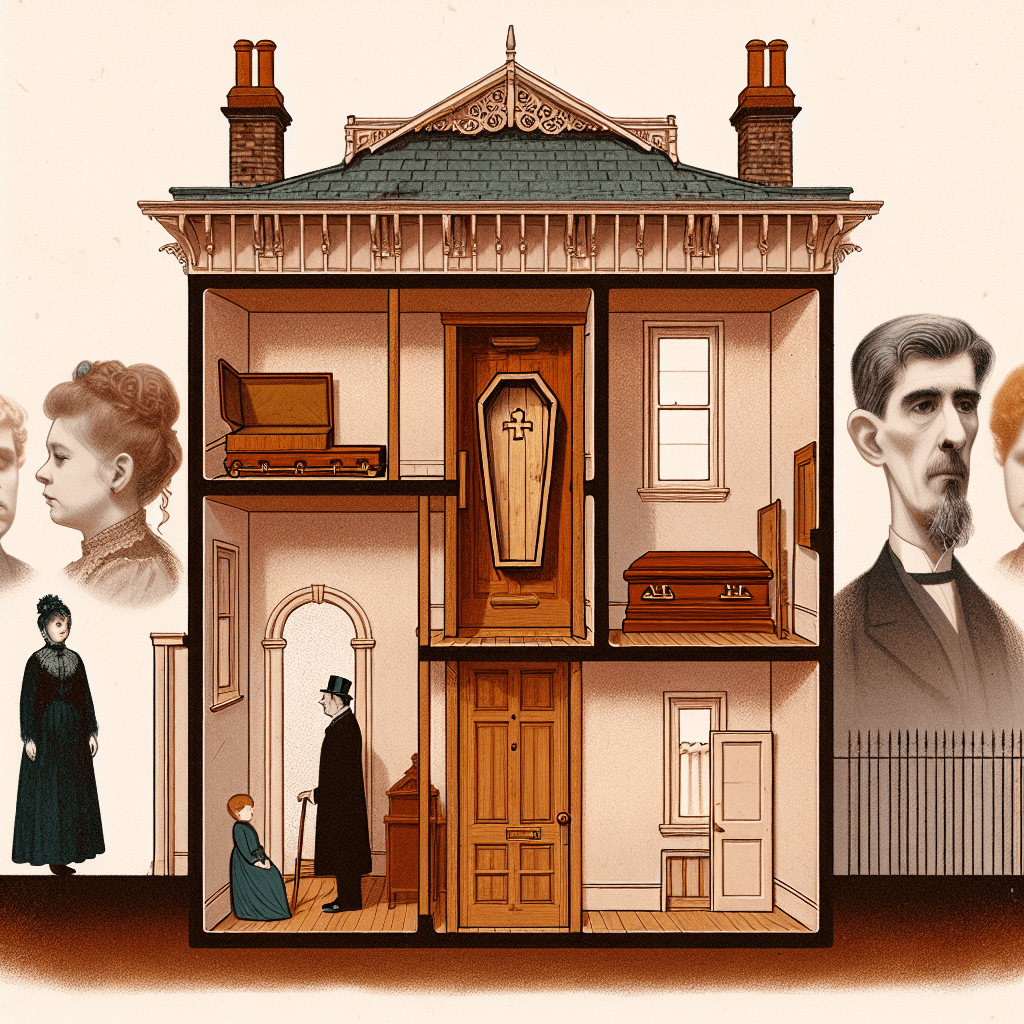
Coffin doors were specialized exits in historic homes used to transport caskets directly from the parlor. They served a dual purpose: practically navigating narrow hallways and satisfying superstitions that the dead should not exit through the same door as the living to prevent their spirits from returning.
Unlocking the Mystery: Why Did Some Old Houses Have a Dedicated Door Used Only for Carrying Out Coffins?
Have you ever walked past a historic New England farmhouse or a stately Victorian home and noticed a door that seemed strangely out of place? Perhaps it was positioned halfway up a wall with no porch beneath it, or tucked into a narrow corner of a formal parlor. These architectural curiosities are often referred to as "coffin doors." While they may seem eerie to modern observers, they provide a fascinating glimpse into a time when death was an intimate, domestic event rather than an industry handled by funeral homes.
The existence of these specialized portals was driven by a combination of architectural necessity and deeply held cultural superstitions. This post explores the historical reasons why some old houses had a dedicated door used only for carrying out coffins and how these features reflected the realities of 18th and 19th-century life.
The Practical Challenge of Narrow Architecture
The primary reason for the "coffin door" was often purely logistical. In the 1700s and 1800s, homes were designed to retain heat, which meant they featured small rooms, narrow hallways, and steep, winding staircases—often called "winder" stairs.
While these designs were efficient for colonial living, they presented a significant problem when someone passed away. In that era, the deceased were typically laid out in the "best room" or the formal parlor for a wake. Once it was time for the burial, family members and pallbearers had to navigate a heavy, rigid wooden casket through the house.
- Tight Corners: Standard interior doors and hallways were often too narrow to allow a six-foot casket to turn a corner.
- Weight and Stability: Carrying a heavy casket down a steep, narrow staircase was dangerous and physically demanding.
- Direct Access: A dedicated door leading directly from the parlor to the outside provided a straight, unobstructed path for the pallbearers.
Spiritual Beliefs and Folklore
Beyond the mechanical difficulties of moving a casket, the "death door" was also rooted in the folklore and superstitions of the time. Death was surrounded by a complex set of rituals designed to protect the living and ensure the deceased found peace.
According to architectural historians and experts in New England folklore, many believed that the spirit of the deceased might attempt to re-enter the home through the same door the living used. By using a "coffin door" that was only opened for funerals—and often sealed or lacked steps on the outside—the family could symbolically "close the door" on death. Once the body was removed and the door was shut, it was believed the spirit would be unable to find its way back into the residence.
The Role of the Formal Parlor
To understand the coffin door, one must understand the evolution of the American home. Before the early 20th century, the room we now call the "living room" was known as the "parlor." It was a formal space reserved for significant life events: weddings, baptisms, and funerals.
Because the parlor was the site of the wake, it made sense to have a door specifically for that room. Interestingly, the transition from "parlor" to "living room" occurred largely after the 1918 influenza pandemic and World War I. As the funeral industry moved away from the home and into dedicated funeral parlors, the "death room" in the house was rebranded as a space for the living, and the need for dedicated coffin doors vanished.
Common Characteristics of Coffin Doors
If you are looking for these features in historic homes, they typically share a few identifying marks:
- Location: They are almost always located in the formal front parlor of the house.
- Elevation: Some are "tripping doors," which are slightly elevated from the floor, or they may be positioned several feet above the ground outside with no permanent steps.
- Narrow Profile: They are often narrower than a standard front door but wide enough for a casket.
- Sealed Appearance: In many surviving homes, these doors have been permanently sealed, painted over, or converted into windows.
Conclusion
The dedicated coffin door is a poignant reminder of a period when death was integrated into the daily fabric of the home. These doors were born out of a practical need to navigate the cramped quarters of early American architecture and were reinforced by a cultural desire to navigate the spiritual unknown.
Reiterating the importance of these features helps us preserve the history of domestic life. While they may seem macabre today, they represent a time when families took direct responsibility for honoring their loved ones. The next time you spot a "door to nowhere" on an old farmhouse, you aren't just looking at a construction quirk—you are looking at a unique bridge between the world of the living and the memory of the dead.


