
Why do cinnamon sticks naturally curl up into tight scrolls
That perfect cinnamon scroll starts as a flat strip of tree bark—discover the clever feat of natural engineering that forces it to coil into its iconic shape as it dries.

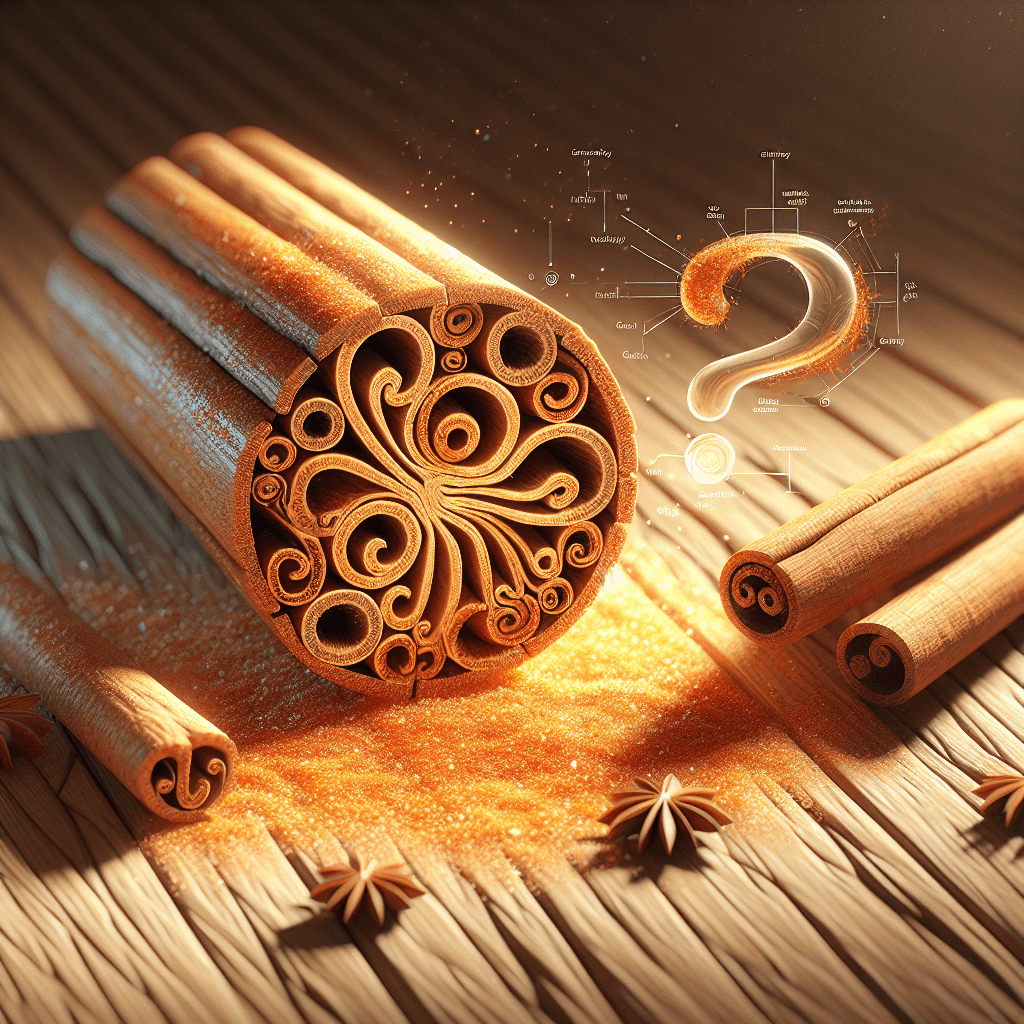
Too Long; Didn't Read
TLDR: Cinnamon is the inner bark of a tree. When it's harvested and exposed to air, the inside of the bark strip dries and shrinks faster than the outside, forcing it to curl into its classic scroll shape.
Unfurling the Mystery: Why Do Cinnamon Sticks Naturally Curl Up Into Tight Scrolls?
Picture a warm, steaming mug of apple cider or a fragrant pot of chai tea. What’s the one iconic spice that often completes the scene? For many, it's the rustic, tightly-wound cinnamon stick. We crumble it into dishes and use it to stir our drinks, but few of us ever stop to wonder about its unique shape. Why isn't it sold as flat chips or a simple powder from the start? The cinnamon stick's distinctive curl is not a man-made design or a clever marketing choice; it's a beautiful, natural result of botany and physics. This post will explore the fascinating journey from tree to spice rack, revealing the science behind why cinnamon sticks curl.
From Tree to Spice: The Cinnamon Harvest
Before we can understand the curl, we must first understand what a cinnamon stick actually is. It’s not a twig or a root, but rather the inner bark of trees belonging to the Cinnamomum genus. The harvesting process is a craft that has been refined over centuries.
During the rainy season, when the bark is moist and pliable, harvesters carefully cut branches from the cinnamon tree. They then meticulously scrape away the rough, outer layer of bark, which is bitter and has no culinary value. What they are after is the delicate, paper-thin layer of inner bark, known as the phloem. This tissue is responsible for transporting nutrients throughout the tree, and it's where the essential oils that give cinnamon its signature aroma and flavor are concentrated. The harvesters peel this inner bark off in long, elegant strips. It is at this moment—when the moist inner bark is exposed to the air—that the magical transformation begins.
The Dehydration Effect: How Drying Creates the Quill
The curling of a cinnamon stick is a direct result of a physical process: uneven drying. The inner bark strip has two distinct sides: the side that faced the woody core of the tree and the side that was closer to the outer bark. These two sides have slightly different cellular structures and moisture content.
As the freshly harvested strip of bark is laid out to dry in the sun, it begins to lose moisture. However, it doesn't dry evenly. The innermost side of the bark dries and shrinks more rapidly than the outer side. This difference in shrinkage rates creates tension across the strip. To relieve this tension, the bark naturally curls inward on itself, with the faster-drying side forming the inside of the scroll.
Think of it like a bimetallic strip used in old thermostats, where two metals that expand and contract at different rates are bonded together. When heated, the strip bends. Cinnamon bark operates on a similar principle, but the trigger is moisture loss rather than heat. This curled, dried form is what we call a "quill" or, more commonly, a cinnamon stick.
Does the Type of Cinnamon Matter?
The intensity and form of the curl can also tell you what kind of cinnamon you're holding. There are two primary types on the market:
- Ceylon Cinnamon (Cinnamomum verum): Often called "true cinnamon," Ceylon is harvested in extremely thin, delicate layers. As these sheets dry, they form a tight, multi-layered scroll that is brittle and crumbly. It looks much like a tightly rolled cigar and has a milder, more complex flavor.
- Cassia Cinnamon (Cinnamomum cassia): This is the more common and less expensive variety found in most supermarkets. Cassia bark is significantly thicker and more robust. When it dries, it curls from both sides into a simple, hollow tube with only one or two thick layers. Its flavor is bolder and spicier.
The difference in their curls is a direct reflection of the thickness and properties of the harvested bark, perfectly illustrating the science of the drying process.
A Natural Work of Art
The next time you pull a cinnamon stick from your pantry, take a closer look. That elegant, spiraled shape is not a decorative flourish but a beautiful accident of nature. It’s a physical record of the spice's journey from a living tree to your kitchen, shaped by the sun and the fundamental laws of physics. The humble cinnamon quill is a testament to how natural processes create the forms and flavors we cherish, reminding us that there is a fascinating story behind even the most common ingredients we use every day.


