
Why do dogs kick up grass after they poop
It's not about hiding the evidence; it's about making a bold statement. Discover the secret message your dog is sending with their feet after they do their business.

Too Long; Didn't Read
TLDR: Dogs are not covering their poop; they are spreading their scent. Glands in their paws release pheromones, and kicking the ground marks their territory and sends a message to other dogs.
The Post-Poop Kick: Uncovering Why Dogs Kick Up Grass After They Poop?
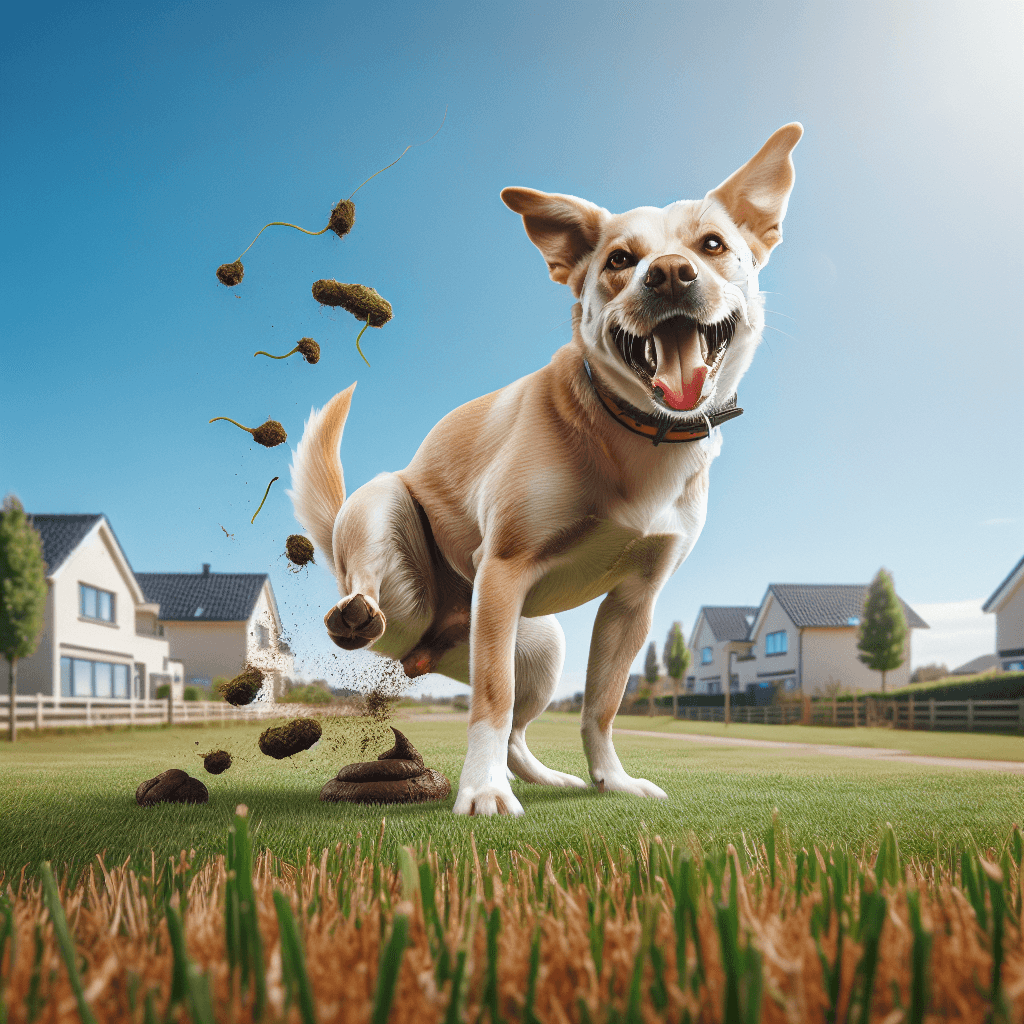
You’ve seen it a thousand times. Your dog finds the perfect spot, does their business, and just when you think you can cleanly bag the evidence, the kicking begins. Hind legs start pumping like pistons, sending grass, dirt, and leaves flying in a display of canine enthusiasm. Many owners assume their dog is simply trying to cover up the mess, a polite but poorly executed attempt at hygiene. However, this common behavior, known to animal behaviorists as "ground-scratching," has very little to do with hiding anything. In fact, it's about the exact opposite. This blog post will dig into the fascinating reasons behind the post-potty kick, revealing it as a complex and crucial form of dog communication.
Debunking a Common Myth: It's Not About Hiding the Evidence
First, let's clear the air. Unlike cats, who instinctively bury their waste to hide their presence from predators and dominant felines, dogs aren't trying to be discreet. If you watch closely, you'll notice their kicking is often haphazard and rarely succeeds in covering the poop. In many cases, it actually makes the area more conspicuous by tearing up the ground around it.
This action isn't a sign of cleanliness or embarrassment. It's a deliberate, instinctual act designed to make a statement and broadcast a message to any other dog that might pass by. The real purpose is rooted in a dog's primary mode of communication: scent.
The Real Reason: A Powerful Form of Scent Marking
The secret to the kick lies not in the dog's desire to cover but in the anatomy of their paws. Dogs have special glands in their feet that are crucial for communication.
Interdigital Glands: A Dog's Scent Signature
Located between a dog's paw pads are scent-producing glands called interdigital glands. These glands secrete unique pheromones that carry a wealth of information about the dog, including their sex, health, and reproductive status. When a dog vigorously kicks or scrapes their feet against the ground after urinating or defecating, they are doing two things:
- Releasing Pheromones: The friction and pressure from the scraping motion actively release these potent chemical signals from their paws onto the ground.
- Enhancing the Message: This adds a powerful layer of scent in addition to the smell of their urine or feces. It’s like adding a personal signature to a public announcement.
Think of it as a canine social media update. The poop or pee is the main post, but the ground-scratching is the equivalent of adding hashtags, a location tag, and a bold headline to make sure everyone sees and understands the message: "Fido was here, and he's feeling confident!"
Adding a Visual Cue: "Read My Scrapes!"
Communication in the animal world is often multi-sensory, and the post-poop kick is a perfect example. Beyond the powerful scent message, the kicking serves an important visual purpose. The long, parallel scrape marks left behind on the dirt or the torn-up grass act as a giant visual signpost.
When another dog walks by, they might not immediately smell the specific spot from a distance. However, they will see the disturbed ground, which piques their curiosity and draws them in for a closer sniff. The visual marks essentially shout, "Hey! Important message over here!" This ensures the scent-based information isn't missed, making the dog's territorial claim or announcement much more effective.
Is This Behavior a Sign of Dominance?
While ground-scratching is often associated with more confident or dominant dogs marking their territory, it isn't exclusively a display of dominance. Dogs of all temperaments and social standings can and do perform this behavior. It’s a fundamental and instinctual way for them to participate in the local canine conversation. A more timid dog might do it less frequently or with less vigor, but the drive to communicate is still there. Rather than seeing it as an aggressive challenge, it's more accurate to view it as an act of information sharing—an essential part of canine social networking.
Conclusion: A Window into Your Dog's World
So, the next time you see your dog sending sod flying after their potty break, resist the urge to see it as a messy habit. Instead, appreciate it for what it is: a complex and instinctual form of communication. Your dog isn't trying to hide their business; they are proudly announcing their presence to the world, using a powerful combination of scent and visual signals left behind by their paws. Understanding this behavior gives us a deeper appreciation for the rich, scent-driven world our dogs inhabit and the intricate ways they use their instincts to navigate it. They're not making a mess; they're making a statement.


