
Why do many old bridges have small dedicated alcoves built out over the water
They may look like charming spots for a view, but these stone nooks served a crucial and often life-saving purpose in an era before modern traffic.

Too Long; Didn't Read
TLDR: They are pedestrian safety refuges. On narrow old bridges that lacked sidewalks, these alcoves gave people on foot a safe place to step aside and let carts, wagons, and other traffic pass.
Pedestrian Havens: Why Do Many Old Bridges Have Small Dedicated Alcoves Built Out Over the Water?
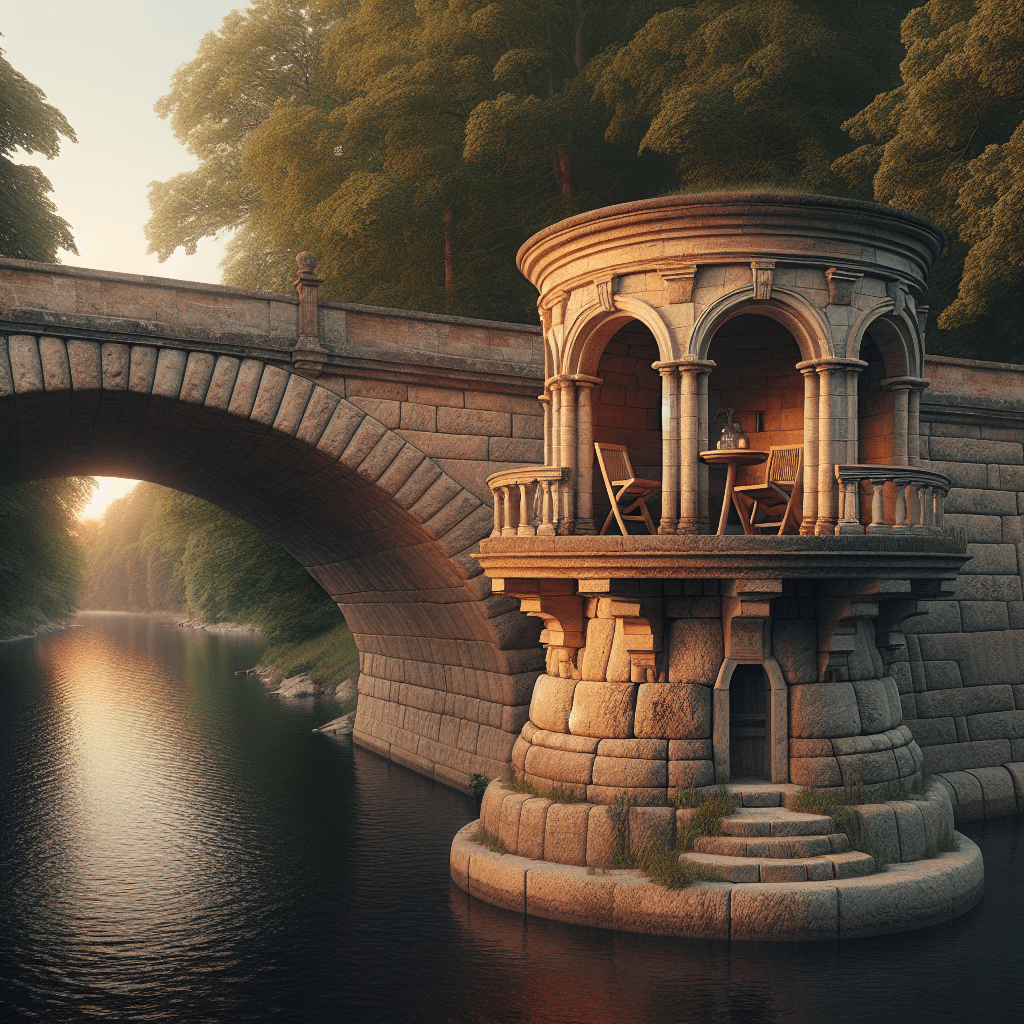
Have you ever strolled across a historic stone bridge and noticed those charming, semi-circular balconies that jut out over the water? Often offering a picturesque view, it's easy to assume they were designed purely for sightseeing or as romantic meeting spots. While they serve that purpose beautifully today, their original function was far more practical—and often a matter of life and death. These small, dedicated alcoves are a fascinating feature of historical engineering, born from necessity in an era of narrow roads and burgeoning traffic. This post will delve into the primary, life-saving purpose of these architectural quirks and uncover the clever structural role they also play.
The Original Life-Savers: Pedestrian Refuges
The most important reason for these alcoves was pedestrian safety. Before the age of automobiles, bridges were built to the standards of their time, which meant they were often just wide enough for a single horse-drawn cart or wagon to pass. There were no dedicated sidewalks or pedestrian lanes as we know them today.
Imagine being a pedestrian caught in the middle of a narrow bridge as a heavy cart, laden with goods and pulled by powerful animals, thunders toward you. With a low stone parapet on one side and the oncoming traffic on the other, there was nowhere to go. This was a common and dangerous scenario.
The alcoves, technically known as pedestrian refuges, were the elegant solution. They provided a dedicated space for people on foot to quickly step aside, allowing carts, wagons, and livestock to pass without risk of collision or of someone being knocked into the river below. They were essential safety features, strategically placed to ensure the shared use of vital transportation links.
More Than Just Safety: A Structural Stronghold
While pedestrian safety was their primary function, these alcoves often served a crucial secondary role in the bridge's structural integrity. If you look closely, you'll notice that these refuges are almost always located directly above the bridge's piers—the massive support columns that stand in the water. This is no coincidence.
The base of the pier that extends into the water often has a pointed or V-shaped edge on the upstream side. This feature, known as a cutwater or starling, is designed to break the flow of the current and divert water, ice floes, and debris around the pier. This dramatically reduces the hydraulic pressure on the structure, preventing erosion (or "scour") around the foundation and protecting the bridge from being washed away during floods.
The pedestrian refuge you see at road level is simply the top of this massively reinforced pier structure, extending upwards. By building the pier wider and stronger to serve as a cutwater below, engineers could use the extra space at the top to create a safe haven for people, perfectly integrating two vital functions into a single design element.
From Function to Form: Secondary Uses and Modern Views
Over time, these practical alcoves took on other roles and are now appreciated for different reasons.
- Maintenance Access: They provided a stable platform for workers to inspect and repair the bridge's arches and stonework without requiring complex scaffolding to be built from the riverbed.
- Defensive Posts: On some medieval or fortified bridges, these alcoves could have served as lookout points or sheltered positions for guards protecting the crossing.
- Modern Appreciation: Today, with wider bridges and dedicated sidewalks, their original safety function is largely obsolete. Instead, we value them as:
- Viewing Platforms: Offering uninterrupted views of the river and surrounding landscape.
- Resting Spots: A place to pause and enjoy the scenery.
- Architectural Charm: They add character and historical beauty to the structure.
Conclusion
So, the next time you find yourself standing in one of these charming bridge alcoves, take a moment to appreciate its clever origins. These are not mere decorations but a testament to the ingenuity of historical engineers who solved multiple problems with a single, elegant solution. They were life-saving pedestrian refuges, integral parts of the bridge's structural defense against the forces of nature, and now, cherished historical features. They are a perfect example of how the most practical designs can evolve into the most beautiful and beloved elements of our built environment.


