
Why do many old houses have a strange iron blade embedded by the front door
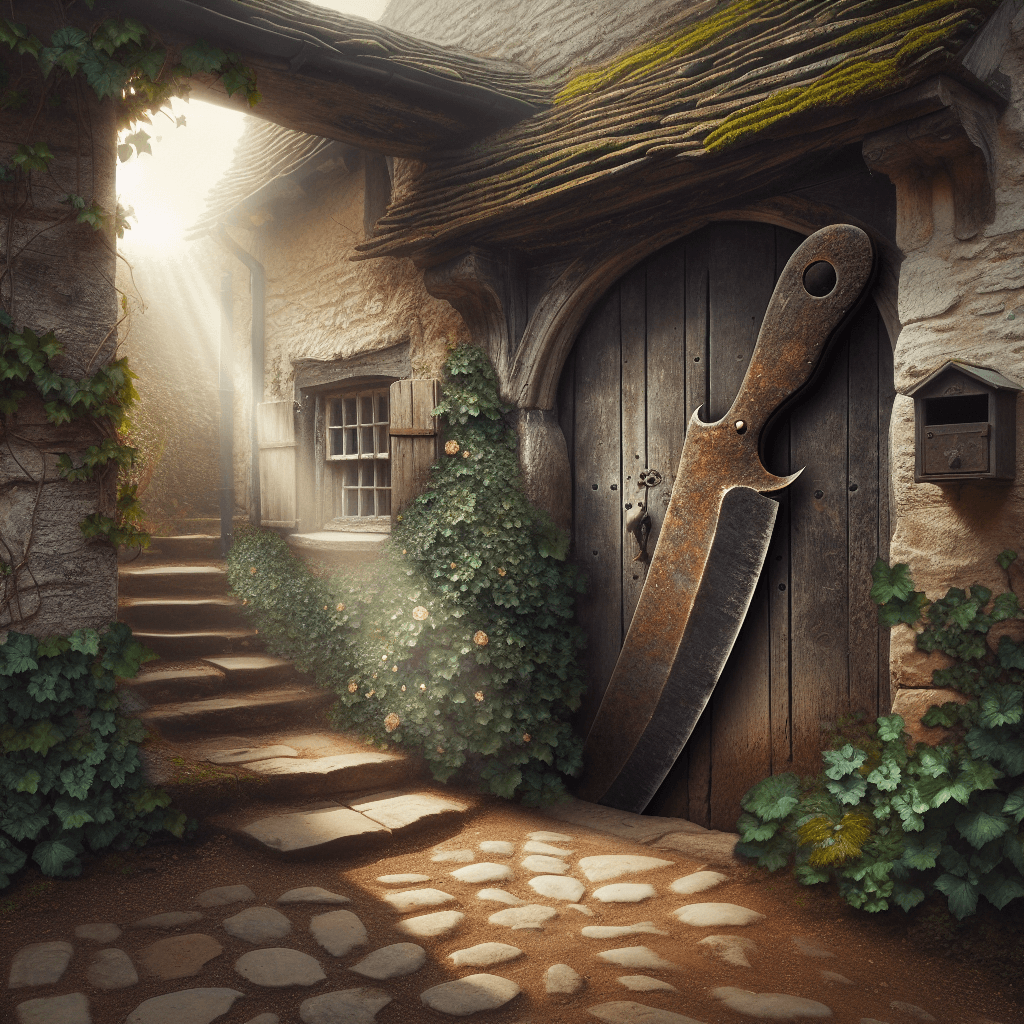
Often mistaken for a weapon or decoration, that strange iron blade embedded by the front door is actually a clever invention with a surprisingly messy history.

Too Long; Didn't Read
That iron blade is a boot scraper. Before paved roads, people used it to scrape mud, dirt, and manure off their shoes before going inside.
The Mystery Blade Solved: Why Do Many Old Houses Have a Strange Iron Blade Embedded by the Front Door?
Have you ever walked up to a beautiful old home, perhaps a Victorian or Georgian-era house, and noticed a peculiar iron blade embedded in the masonry right next to the front door? It might be a simple, straight bar or an ornate, scrolled piece of metal, but its purpose isn't immediately obvious. Is it a forgotten tool? A strange piece of decoration? This small, often overlooked feature is actually a fascinating window into a bygone era. It’s a historical artifact with a very practical, if somewhat mucky, purpose. This blog post will solve the mystery of this strange iron blade, exploring what it is, why it was once an essential household item, and what its disappearance tells us about our modern world.
A Relic of a Muddier Time: The Boot Scraper Explained
That strange iron blade is a boot scraper. Known in French as a décrottoir (literally meaning "dropper-offer"), its function was exactly what its name implies: to scrape muck off the soles of shoes and boots before entering a home.
Typically made of sturdy cast iron to withstand weather and repeated use, boot scrapers were installed right by the entrance. They came in various forms:
- Embedded Scrapers: A simple blade set directly into a stone step or the brick wall of the house.
- Freestanding Scrapers: More elaborate designs that were anchored into the ground or a step, sometimes featuring ornate side panels with brushes.
- Recessed Scrapers: Built into a small alcove in the wall to keep the scraped-off mud contained.
This simple device was a first line of defense against the filth of the outside world, playing a crucial role in household cleanliness and sanitation.
Paving the Way: Life Before Modern Streets
To understand why a boot scraper was a necessity, we have to imagine what streets were like before the 20th century. For centuries, urban and rural roads were largely unpaved. They were dusty dirt tracks in the summer and deep, clinging mud bogs in the winter. But mud was only part of the problem.
The primary mode of transportation was the horse. Horses and horse-drawn carriages filled the streets of cities like London, New York, and Paris. This meant that the roads were covered not just in mud, but also in a staggering amount of horse manure. In an era before modern sanitation and sealed roadways, walking down the street was a messy affair. Without a way to clean one's footwear, all of that grime, mud, and manure would be tracked directly onto the home's floors and expensive carpets, which were incredibly difficult to clean. The boot scraper wasn't a luxury; it was an indispensable tool for maintaining a sanitary and respectable home.
The Disappearance of a Household Staple
The boot scraper reached its peak of popularity during the Victorian era (the mid-to-late 19th century), a time of rapid urbanization when cities were growing faster than their infrastructure could keep up. You will most commonly find them on houses built during this period. So, why did they disappear?
The decline of the boot scraper was a direct result of two major early 20th-century advancements:
- Paved Roads: The widespread adoption of asphalt and concrete created smoother, cleaner, and better-draining street surfaces. Mud became a far less significant problem in urban areas.
- The Automobile: As cars began to replace horses as the main form of transportation, the problem of street manure vanished almost overnight.
With cleaner streets, the need to aggressively scrape one’s shoes before entering a house diminished. The boot scraper became obsolete, a charming but functionally unnecessary relic. Builders stopped including them in new constructions, and many existing ones were removed during renovations.
Conclusion
The humble iron blade by the front door is more than just a curiosity; it's a silent testament to a world that was much muddier and messier than our own. This boot scraper tells a story of the transition from horse-drawn carriages to automobiles, from dirt tracks to paved superhighways, and of the ever-evolving standards of public sanitation and domestic cleanliness. It reminds us of the practical challenges of daily life in the past and highlights the modern infrastructure we so often take for granted. So, the next time you spot one of these historical artifacts, you’ll know you’re looking at a clever solution to a very dirty problem.


