
Why do so many modern houses have fake shutters that don't actually shut
They're on millions of homes, bolted beside windows they could never actually cover. Discover the surprising history and design shortcuts behind modern architecture’s most popular lie.

Too Long; Didn't Read
TLDR: Modern shutters are just for looks. Real, working shutters are expensive and no longer needed thanks to better windows and AC, so builders use cheap, fake ones as a decorative shortcut to add traditional style and curb appeal.
Blog Post Title: Unhinged: Why Do So Many Modern Houses Have Fake Shutters That Don't Actually Shut?
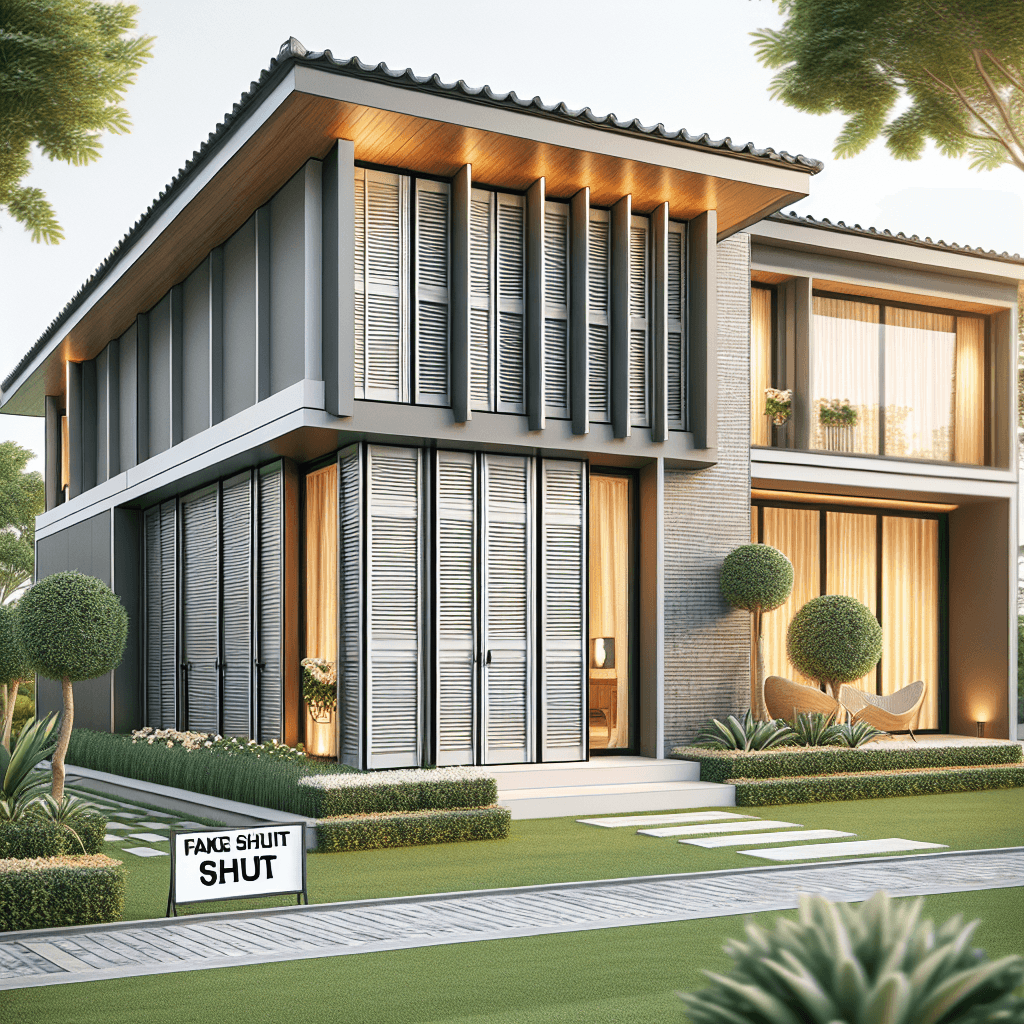
Have you ever taken a stroll through a modern neighborhood and noticed something slightly off about the windows? You see shutters, perfectly painted and aligned, but they’re bolted directly to the siding. They're often too narrow to ever cover the window and lack any hinges or hardware. These are non-functional, purely decorative shutters, and they have become a staple of contemporary home design. But why did we trade in a practical architectural feature for a purely cosmetic one? This post will explore the historical, economic, and aesthetic reasons behind the rise of the modern fake shutter, revealing why this design choice is far from a mistake.
From Function to Form: The Historical Role of Shutters
Long before the invention of double-paned glass, storm windows, and central air conditioning, shutters were an essential piece of home technology. Their purpose was purely functional. In harsh climates, solid-paneled shutters provided an extra layer of insulation against biting winds and cold. In warmer regions, louvered shutters allowed for ventilation and shade while blocking the intense sun and providing privacy. They were also a home’s first line of defense, offering protection from storms and potential intruders. Early American architectural styles, from Colonial to Cape Cod, relied heavily on these hardworking window coverings. They were built to last and designed to be opened and closed daily.
The Shift: When Shutters Became Obsolete
The 20th century brought a wave of technological advancements that rendered functional shutters largely unnecessary for the average home.
- Modern Windows: The development of high-quality glass, weather-stripping, and insect screens eliminated the need for shutters to control light, airflow, and pests.
- HVAC Systems: With the widespread adoption of central heating and air conditioning, homeowners no longer needed to manually manage their home's temperature with shutters.
- Security Systems: Advanced locks and home security systems provided far more effective protection than a simple wooden barrier.
As these innovations became standard, the practical need for operable shutters dwindled. They became a feature of historic homes and high-end custom builds, but for the mainstream market, their time as a functional tool was over.
Why Fake Shutters Won the Day
Despite becoming functionally obsolete, the look of shutters never went out of style. They evoke a sense of tradition, charm, and architectural detail. This enduring appeal, combined with modern building practices, paved the way for the decorative shutter. Here’s why they are so prevalent today:
- Cost-Effectiveness: This is the biggest driver. Manufacturing and installing a pair of functional wooden shutters with proper hardware is a costly, labor-intensive process. In contrast, mass-produced vinyl or composite shutters are incredibly cheap. For large-scale homebuilders, this massive cost difference makes decorative shutters the only viable option.
- Curb Appeal on a Budget: Builders know that exterior details sell houses. Shutters are a simple and inexpensive way to add a pop of color, texture, and character to a home’s facade. They break up large, flat walls and frame windows, adding a sense of dimension and satisfying a classic design aesthetic without the associated cost.
- Zero Maintenance: Real wood shutters require regular scraping, sanding, and painting to protect them from the elements. Vinyl, plastic, or composite shutters, on the other hand, are virtually maintenance-free. They are resistant to rot, pests, and fading, which is a major selling point for modern homeowners.
- Ease of Installation: A worker can install a set of decorative shutters in minutes using just a drill and a few screws. This speed and simplicity are invaluable in the fast-paced world of residential construction.
Conclusion
So, why do so many modern houses have fake shutters? The answer is a story of evolution. What began as a critical, functional component of home design has transformed into a purely decorative element. Driven by cost, convenience, and our collective appreciation for traditional aesthetics, the non-functional shutter offers the charm of the past without the expense and upkeep. The next time you see a pair of shutters firmly affixed to a wall, you'll know they aren't a design oversight. They are a deliberate choice—a quiet nod to architectural history, perfectly adapted for the realities of the modern world.


