
Why do some old portraits hide a completely different person underneath
That historical figure you're admiring might just be a cover-up, as modern technology reveals forgotten faces and scandalous secrets that artists tried to paint out of history.

Too Long; Didn't Read
Old portraits have hidden paintings underneath because artists reused expensive canvases. They painted over unsold works, unfinished pieces, or portraits of people who became politically unpopular to save money.
Blog Post Title: Beneath the Brushstrokes: Why Do Some Old Portraits Hide a Completely Different Person Underneath?
Introduction
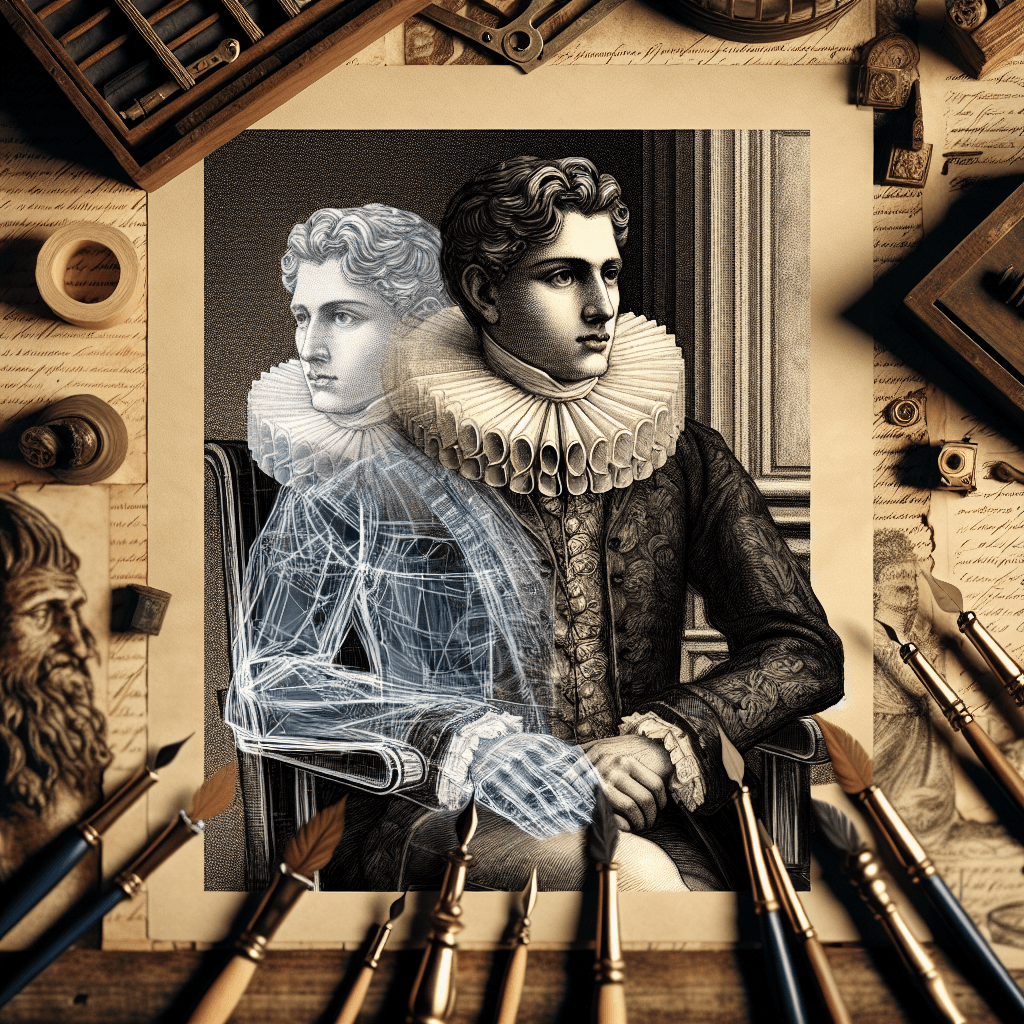
Imagine an art conservator placing a centuries-old masterpiece under an X-ray machine. As the image resolves, they don't just see the familiar face of a nobleman; they see the ghostly outline of another person staring back from beneath the paint. This isn't a scene from a mystery novel—it's a fascinating reality in the world of art history. The discovery of hidden paintings, a phenomenon known as pentimento or overpainting, offers a secret window into the past. But why would an artist go to the trouble of painting over a finished portrait? This blog post will uncover the primary reasons, revealing that the answers lie in a compelling mix of economic necessity, artistic indecision, and even political intrigue.
The Economics of Art: A Costly Canvas
The most common reason for a hidden portrait is surprisingly practical: money. For artists living centuries ago, materials were not cheap or readily available.
- Expensive Supplies: A sturdy, well-prepared canvas was a significant expense. Pigments were even more so; colors like ultramarine blue were ground from the semi-precious stone lapis lazuli and were, at times, more valuable than gold.
- Recycling for Survival: For a struggling artist, an unsold commission or an abandoned practice piece represented a significant loss. Instead of discarding the expensive canvas, they would simply prime over it and start anew. This form of recycling was a pragmatic and essential part of a working artist's life, allowing them to continue their craft without incurring prohibitive costs. Painting over an old portrait of an unknown sitter was far more economical than buying new materials.
The Evolving Vision: Artistic Revisions and Pentimenti
Art is a process of creation, and that process is rarely linear. Artists constantly refine their vision, and sometimes this results in drastic changes that effectively hide what was once there. This is where the term pentimento (from the Italian for 'to repent') comes into play.
A pentimento refers to the evidence of an earlier image or composition that the artist later painted over within the same work. While this often involves minor adjustments—like changing the position of a hand or altering a facial expression—it can sometimes involve a complete overhaul.
An artist might begin a portrait for a client who later withdraws the commission. Rather than waste the effort and materials, the artist might rework the canvas for a new client, fundamentally changing the figure underneath. Modern imaging techniques like infrared reflectography allow art historians to peel back these layers, giving us an unprecedented look into the artist's decision-making process and creative journey.
A Change in Fortune: Political and Social Motivations
Perhaps the most dramatic reason for concealing a portrait involves the shifting tides of politics and society. In eras of monarchies, revolutions, and courtly intrigue, a person's social standing could be precarious.
If a portrait's subject fell from grace—becoming a traitor to the crown, a political exile, or a social pariah—their likeness could become a dangerous liability. Owning a portrait of a disgraced figure could signal allegiance to the wrong side. To protect themselves, the owner or even the artist might have the portrait painted over with a more acceptable subject, like a landscape, a still life, or a portrait of a new, powerful figure. This act was a form of "damnatio memoriae"—a condemnation of memory—erasing the individual not just from society, but from the canvas itself. A famous example uncovered by researchers is a portrait by Dutch painter Govert Flinck, where an unknown man was painted over an earlier portrait of a military commander.
Conclusion
The face we see on an old canvas is not always the only one there. A hidden portrait is a layered story waiting to be told, speaking of an artist’s financial struggles, their evolving creative mind, or the turbulent politics of their time. These concealed figures are more than just historical curiosities; they are vital clues that deepen our understanding of art history. They remind us that every painting is a physical object with a unique history, and that sometimes, its most compelling secrets lie just beneath the surface, waiting for technology and a curious eye to bring them back into the light.


