
Why do some people see a shimmering, zigzag aura before getting a migraine
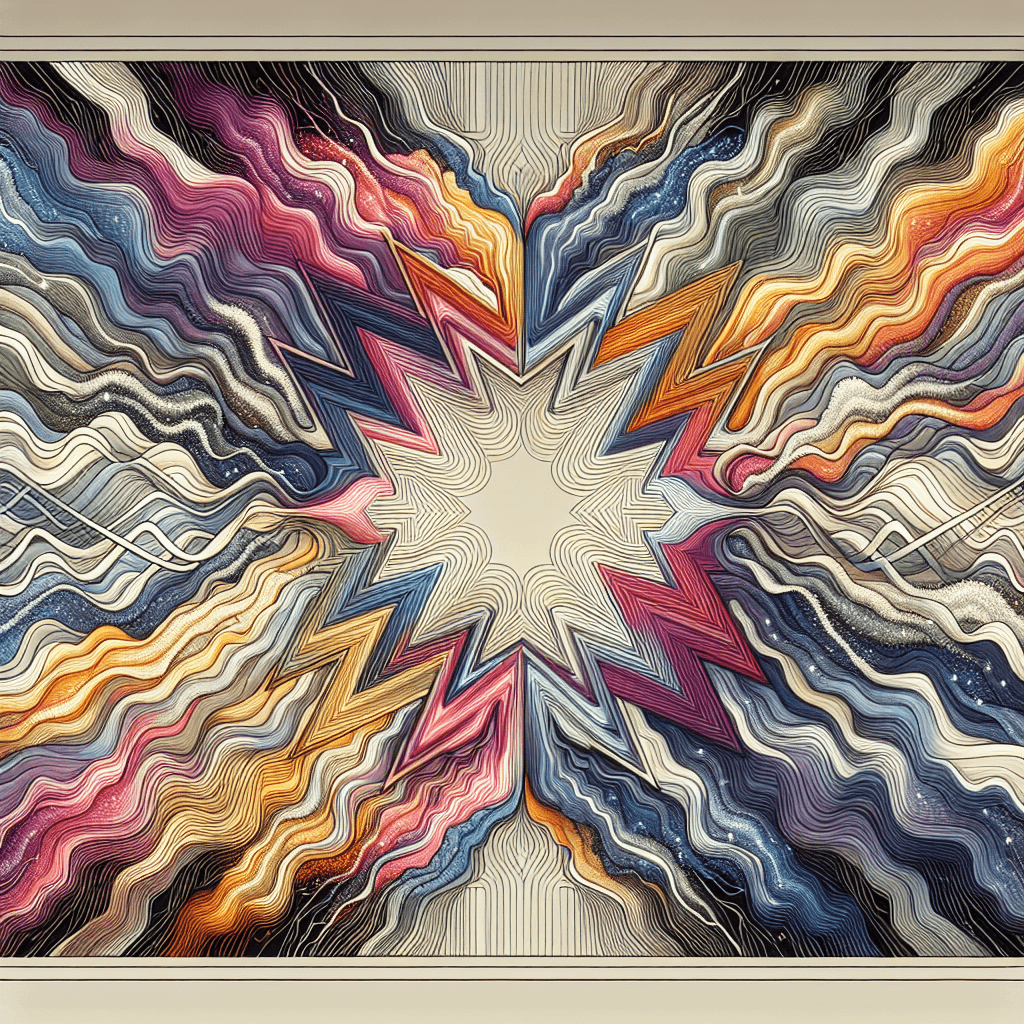
That shimmering, zigzag mirage you see isn't a trick of the eyes—it's a fascinating electrical storm sweeping across your brain, and it's the first sign of what's to come.

Too Long; Didn't Read
TLDR: The shimmering zigzag aura is not an eye problem but a temporary, slow-moving wave of electrical activity that spreads across the visual cortex of your brain, creating a visual disturbance before the headache phase of a migraine begins.
Blog Post Title: The Kaleidoscopic Warning: Why Do Some People See a Shimmering, Zigzag Aura Before a Migraine?
Introduction
Imagine a small, shimmering spot appearing in your field of vision. It’s not just a floater; it slowly expands into a vibrant, zigzagging arc of light, almost like a crack in reality. For the 25-30% of migraine sufferers who experience this, it’s a familiar and often unsettling prelude to a debilitating headache. This phenomenon is known as a migraine aura, a temporary neurological disturbance that can be as fascinating as it is frightening. But what is actually happening in the brain to create these intricate visual patterns? This post will delve into the science behind the shimmering, zigzag aura, explaining the neurological event that causes it and what it signifies for those who experience it.
Main Content
What is a Migraine Aura?
A migraine aura is a series of temporary, reversible neurological symptoms that typically precede or accompany a migraine headache. While often thought of as purely visual, auras can manifest in several ways:
- Visual Aura (most common): This is the classic shimmering, zigzag line known as a scintillating scotoma. It can also include blind spots, flashing lights (photopsia), or geometric patterns. Many describe the shape as a "fortification spectrum" because it resembles the walls of a medieval fort.
- Sensory Aura: This involves feelings of numbness or a pins-and-needles sensation (paresthesia), which often starts in the fingers and migrates up the arm to the face.
- Speech Aura (Aphasia): This can cause temporary difficulty in finding the right words or understanding speech.
These symptoms usually develop gradually over 5 to 20 minutes and last for less than an hour. For most, the aura serves as a clear warning that the headache phase of the migraine is about to begin.
The Brain Science: What is Cortical Spreading Depression?
The bizarre visual effects of a migraine aura are not an issue with your eyes; they originate deep within the brain. The leading scientific explanation for this phenomenon is a process called Cortical Spreading Depression (CSD).
Think of CSD as a slow-moving electrical wave that travels across the surface of your brain (the cortex). This wave begins with a brief burst of intense nerve cell activity, followed by a much longer-lasting period where the cells become quiet and unable to fire. It’s like a neurological ripple effect, spreading at a rate of about 3-5 millimeters per minute.
When this wave travels across the visual cortex—the part of the brain responsible for processing everything you see—it directly creates the symptoms of a visual aura.
- The "shimmering" or "zigzagging" part of the aura corresponds to the initial wave of hyperactivity, where neurons are firing erratically.
- The blind spot or visual loss that can follow corresponds to the subsequent period of suppressed cell activity.
The slow, marching progression of the CSD wave perfectly explains why the aura appears to grow and move across your visual field over several minutes.
Why Do Some People Experience Auras?
Why one person experiences aura while another doesn't is largely linked to genetics. Migraine with aura has a strong hereditary component, meaning it often runs in families. While the specific triggers can be the same as migraines without aura—such as stress, lack of sleep, or certain foods—the underlying neurological wiring makes some individuals susceptible to the CSD event.
It’s important to note that having an aura does not necessarily mean your migraine is "worse," but it does classify it as a different subtype. According to organizations like the American Migraine Foundation, individuals who experience migraine with aura, particularly women who also smoke or use estrogen-based contraceptives, may have a slightly elevated risk for ischemic stroke. This makes it crucial to discuss your aura symptoms with a healthcare professional to manage your health holistically.
Conclusion
The shimmering, zigzag aura before a migraine is far more than a simple visual quirk. It is a direct window into a complex neurological event—a slow-moving electrical wave known as Cortical Spreading Depression traveling across the brain's visual processing center. Understanding the science behind it helps demystify a strange and sometimes alarming experience, reinforcing that migraine is a serious neurological disease, not "just a headache." For those who experience it, the aura acts as an invaluable, albeit unwelcome, early warning system. It provides a critical window of opportunity to take medication, find a quiet space, and prepare for the headache to come, turning a mysterious vision into a practical tool for managing their condition.


