
Why do some seeds have to be burned before they can grow
It's one of nature's most stunning paradoxes: for some seeds, the destructive fury of a forest fire is the only thing that can bring them to life.

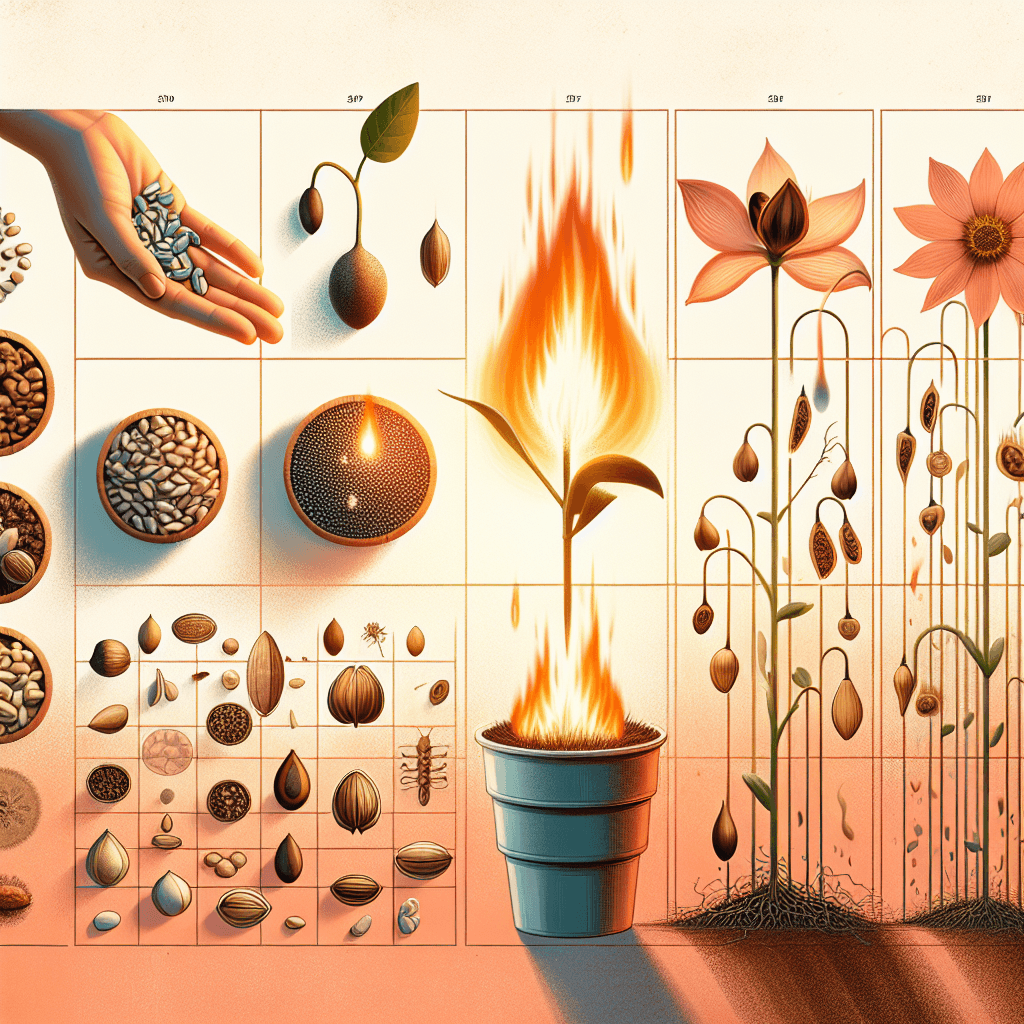
Too Long; Didn't Read
TLDR: Some seeds need fire to grow because the heat cracks their tough shells, chemicals in the smoke trigger germination, and the fire clears out competing plants while adding nutrient-rich ash to the soil, giving the new seeds a perfect head start.
From Ashes to Life: Why Do Some Seeds Have to Be Burned Before They Can Grow?
Imagine a vast forest scorched by wildfire. The immediate image is one of destruction and loss. But in many of the world's ecosystems, this seemingly catastrophic event is not an end but a powerful beginning. For a fascinating group of plants, the intense heat and smoke of a fire are not a threat but a vital, non-negotiable trigger for new life. This incredible survival strategy forces us to ask a paradoxical question: Why do some seeds have to be burned before they can grow? This post will explore the remarkable science behind fire-dependent germination, revealing how certain plants have evolved to harness the power of fire for their own survival and renewal.
The Phoenix Strategy: Understanding Fire-Dependent Germination
In ecosystems where wildfires are a natural and recurring event, such as the chaparral of California, the savannas of Africa, and the forests of Australia, many plants have developed an intimate relationship with fire. This adaptation, broadly known as fire-stimulated germination, ensures that seeds only begin to grow when conditions are perfect for their success.
Instead of germinating whenever there's enough water, these seeds lie dormant in the soil or locked away in protective cones, sometimes for decades. They are waiting for a specific signal that only a fire can provide. This strategy gives the new seedlings a significant competitive edge. After a fire, the landscape is cleared of larger, competing plants that would otherwise block sunlight, and the soil is enriched with a fresh layer of nutrient-rich ash. It's the ultimate ecological reset button, and these fire-adapted plants are primed to take full advantage of it.
Cracking the Code: The Science Behind Fire's Wake-Up Call
The process isn't magic; it's a finely tuned biological response to specific triggers provided by fire. There are several key mechanisms that fire uses to "wake up" these dormant seeds.
Heat Scarification
Many fire-adapted seeds have an incredibly tough, waxy, or waterproof outer coat. This protective layer is great for long-term survival, but it also prevents water from entering the seed, which is essential for germination. The intense, but often brief, heat from a wildfire cracks or melts this stubborn coating. This process, known as thermal scarification, creates tiny fissures that finally allow water to penetrate and kickstart the growth process. It's a physical key that unlocks the seed's potential.
Chemical Cues from Smoke
It’s not just about the heat. The smoke produced by burning vegetation contains a cocktail of unique chemical compounds. Researchers have identified a specific class of chemicals called karrikins that are particularly effective at stimulating germination. When smoke permeates the soil, these chemicals signal to the dormant seeds that a fire has occurred. This chemical message effectively tells the seed, "The coast is clear! The competition has been removed and the soil is fertile. It's time to grow."
Breaking Open Nature's Vaults
For some trees, the strategy is less about the seed itself and more about its container. Certain species of pines, like the Lodgepole Pine of North America, produce cones that are sealed shut with a strong, hard resin. This phenomenon is called serotiny. These cones can hang on the tree for years, protecting the seeds inside from predators and harsh weather. Only the intense heat of a wildfire can melt the resin, causing the cone to pop open and release its seeds onto the newly prepared, sun-drenched forest floor.
Nature's Fire-Followers: Plants That Rise from the Ashes
This strategy is used by a diverse range of plants across the globe:
- Lodgepole and Jack Pines: These North American conifers are classic examples of serotiny, relying on fire to open their resin-sealed cones.
- Australian Banksias and Eucalypts: Many iconic Australian plants have woody fruits that only open and release seeds after being scorched by a bushfire.
- South African Fynbos: This region is a global biodiversity hotspot, and many of its plant species, including numerous types of Proteas, require cues from both heat and smoke to germinate.
- California Poppies: This famous wildflower, along with many other plants in the chaparral ecosystem, has seeds that are stimulated by the chemical compounds found in smoke.
Conclusion
The idea that destruction can be a catalyst for creation is one of nature's most profound lessons. For fire-adapted plants, a wildfire is not an apocalypse but a long-awaited opportunity. Through mechanisms like heat scarification, chemical signals from smoke, and the unlocking of serotinous cones, these species have evolved a masterful survival strategy that is perfectly synchronized with their environment. Understanding this intricate dance between fire and life is crucial for effective land management and conservation. It reminds us that ecosystems are complex, resilient, and often operate in ways that defy our initial assumptions, proving that sometimes, new life truly can rise from the ashes.


