
Why do some sloths grow a miniature green ecosystem directly in their fur
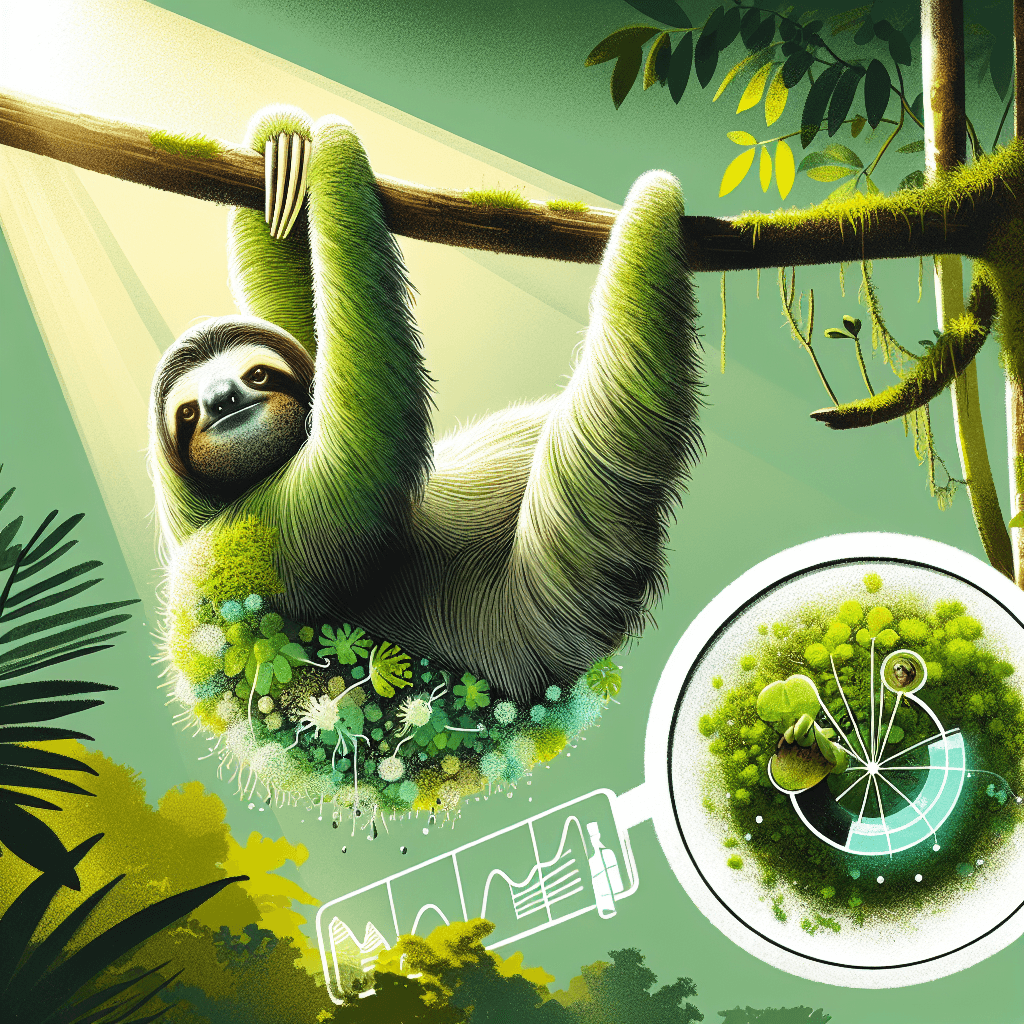
That green fur isn't just algae; it's a living ecosystem that serves as the sloth's personal camouflage and an on-the-go snack bar.

Too Long; Didn't Read
TLDR: Sloths have unique grooved fur that traps rainwater, allowing green algae to grow. This symbiotic relationship provides the slow-moving sloth with excellent camouflage from predators, while the algae gets a safe, mobile home in the forest canopy.
The Sloth's Living Cloak: Why Do Some Sloths Grow a Miniature Green Ecosystem Directly in Their Fur?
When you picture a sloth, you likely imagine a slow-moving, serene creature hanging upside down from a tree. But look closer, and you might notice a distinct greenish tinge to its shaggy coat. This isn't a sign of poor hygiene; it’s a living, breathing miniature ecosystem. The sloth isn't just an animal; it's a habitat. This incredible biological phenomenon is a masterclass in survival, showcasing a complex symbiotic relationship that benefits not just the sloth, but a host of other organisms. This blog post will delve into the fascinating science behind the sloth's green fur, exploring how and why it cultivates its own personal garden.
A Fur-fect Home for Algae
The foundation of the sloth’s mobile ecosystem lies in the unique structure of its fur. Unlike the smooth, water-repellent hair of many mammals, each individual strand of a sloth's hair features microscopic cracks and grooves. Living in the humid, rainy canopies of Central and South American rainforests, this specialized fur acts like a sponge, absorbing and trapping vast amounts of water.
This perpetually damp environment creates the perfect incubator for life to take hold. Specifically, it’s an ideal home for several species of trichophilous (hair-loving) green algae that are found almost nowhere else on Earth. The algae colonize the grooves in the fur, turning the sloth into a walking, hanging terrarium. This relationship, however, is far from one-sided.
A Symbiotic Masterpiece: More Than Just Camouflage
The most obvious benefit the algae provide the sloth is camouflage. A greenish sloth hanging motionless in a leafy tree is incredibly difficult for predators like harpy eagles and jaguars to spot. But recent research has uncovered a much more significant advantage: nutrition.
For years, scientists believed the camouflage was the primary benefit. However, a groundbreaking study from the University of Wisconsin-Madison revealed that sloths actively manage and consume this fur-garden. The algae are rich in lipids (fats), which are a high-energy food source. For an animal with an incredibly slow metabolism and a low-calorie diet of leaves, this algae snack provides a vital nutritional supplement. Sloths can absorb these nutrients through their skin or by licking them directly from their fur.
The Unlikely Gardener: The Sloth Moth
The story gets even more intricate with the introduction of a third key player: the sloth moth. Several species of moths live exclusively in the dense fur of sloths. Their entire life cycle is bizarrely and brilliantly tied to the sloth’s own habits.
- A Risky Journey: Once a week, the sloth makes a slow and perilous journey down to the forest floor to defecate. This is the only time the sloth moth leaves the safety of its furry home.
- The Next Generation: While the sloth is on the ground, female moths crawl out to lay their eggs in the fresh dung, which provides the perfect first meal for their larvae.
- Completing the Cycle: After developing, the new adult moths fly up into the canopy to find a sloth host, and the cycle begins anew.
But what do the moths do for the sloth and the algae? When the moths die, their bodies decompose within the sloth’s fur. This process releases nitrogen and other crucial nutrients, acting as a direct fertilizer for the algae. More fertilizer means more algae, and more algae means better camouflage and a richer, more nutritious snack for the sloth. This three-way mutualism between sloth, algae, and moth is a stunning example of co-evolution.
Conclusion: A World in Motion
The greenish hue of a sloth’s fur is not just a curiosity; it is a complex, self-sustaining ecosystem that is vital to the animal's survival. This living cloak provides camouflage, a renewable food source, and a fascinating example of a multi-species symbiotic partnership. The sloth's specialized fur, the nutrient-rich algae, and the "gardening" sloth moths all work in concert, turning one of the world's slowest creatures into a dynamic and thriving habitat. The next time you see a sloth, remember that you aren't just looking at one animal, but an entire world in motion, perfectly adapted to life in the trees.


