
Why was it once a popular fashion trend to wear a miniature portrait of a single eye as jewelry
Step into a world of secret romance and hidden identities where the ultimate high-fashion accessory was a hand-painted gaze. Discover the captivating story behind "Lover’s Eyes" and why these hauntingly beautiful portraits were once the peak of intimate, scandalous luxury.

Too Long; Didn't Read
Lover's eyes were 18th-century jewelry used to keep secret romances private. Popularized by the future King George IV, these miniature paintings allowed individuals to carry a token of their beloved's identity that only they could recognize, blending intimacy with public anonymity.
Secrets in Plain Sight: Why Was It Once a Popular Fashion Trend to Wear a Miniature Portrait of a Single Eye as Jewelry?
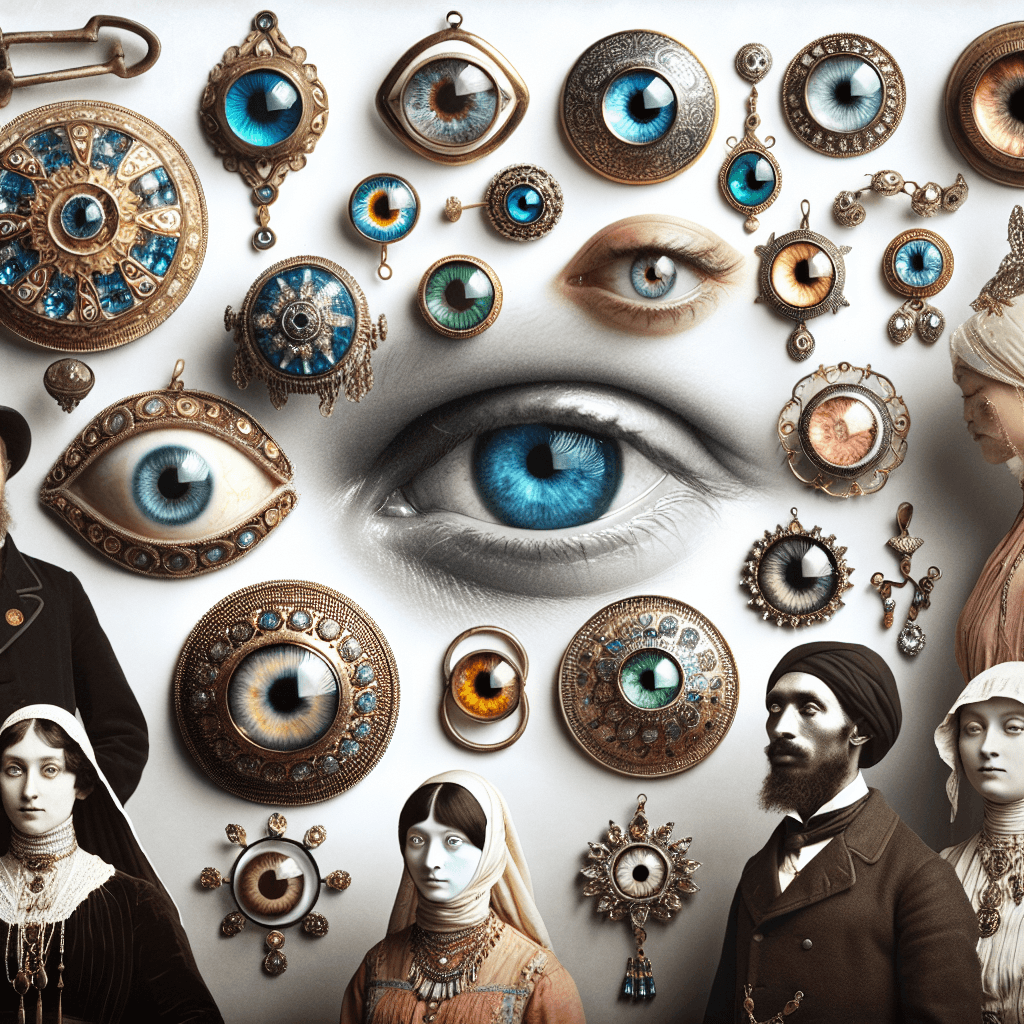
Imagine attending a lavish 18th-century gala and noticing a gentleman wearing a brooch that features not a gemstone, but a single, hyper-realistic human eye staring back at you. While it might seem surreal or even unsettling by modern standards, these "Lover’s Eyes" were the height of romantic fashion between 1785 and 1830. These tiny, hand-painted masterpieces were more than mere accessories; they were intimate tokens of affection and symbols of clandestine relationships. But why did this peculiar trend emerge, and what did a single eye signify to the Georgians and Victorians? This post explores the historical origins, the need for anonymity, and the intricate craftsmanship that made wearing a miniature portrait of a single eye a captivating phenomenon.
The Royal Scandal That Sparked a Trend
The popularity of the "Lover’s Eye" is largely attributed to a forbidden royal romance. In 1785, the Prince of Wales (the future King George IV) fell deeply in love with Maria Fitzherbert, a Catholic widow. Because the Royal Marriages Act forbade the Prince from marrying a Catholic without the King's consent, their romance had to remain a secret.
According to historical accounts from the Royal Collection Trust, the Prince sent Maria a letter containing a miniature painting of his own eye, intended to represent his constant gaze and protection. He eventually married her in a secret ceremony, and the couple continued to exchange these "eye miniatures." Once the fashionable elite of London caught wind of the Prince's romantic gesture, the trend exploded. What began as a desperate act of a forbidden lover became the "must-have" sentimental item for the aristocracy.
The Power of Anonymity and Intimacy
The primary reason for the trend's success was the era's strict social codes. In Georgian society, openly expressing passion or flaunting an unsanctioned relationship could lead to scandal or social ruin. The Lover’s Eye offered a clever solution:
- Privacy in Public: Because only the eye was depicted, the identity of the subject remained a secret to everyone except the wearer. It allowed individuals to carry a likeness of their beloved "in plain sight" without revealing who that person was.
- The "Window to the Soul": During the late 18th century, the eye was philosophically regarded as the most revealing part of the human face. By focusing solely on the eye, the artist captured the essence of the person’s spirit and emotion.
- Portability: These miniatures were typically very small, ranging from a few millimeters to an inch. This made them easy to set into various forms of jewelry, such as:
- Brooches pinned close to the heart.
- Rings worn on the finger.
- Lockets hidden beneath clothing.
- Stickpins for cravats.
Artistry and Symbolism in Miniature
The creation of an eye miniature required immense skill. These were usually painted with watercolor on thin slivers of ivory using brushes made of a single hair. Collectors and historians, such as those documenting the Skier Collection (one of the largest troves of these items), note that the settings often carried additional meaning:
Decorative Borders
The frames surrounding the eye were rarely accidental. For example, a frame of pearls often symbolized tears and suggested that the jewelry was a mourning piece, commemorating a loved one who had passed away. Conversely, diamonds represented strength and longevity, typically signifying a living, flourishing romance.
Mourning vs. Love
While the trend began as a romantic gesture, it eventually evolved into a tool for grief. If an eye was painted looking through a translucent cloud or accompanied by a lock of hair on the reverse side, it served as a "memento mori." This allowed the bereaved to keep the "watchful eye" of the deceased near them at all times.
The Decline of the Gaze
By the 1830s, the popularity of Lover’s Eyes began to wane. Several factors contributed to its disappearance, most notably the invention of photography in 1839. Daguerreotypes offered a more affordable and accurate way to capture a person’s likeness, making the expensive, labor-intensive process of hand-painted miniatures obsolete. Furthermore, as the Victorian era progressed, sentimental jewelry became more standardized and less focused on the "secret" nature of the Georgian period.
Conclusion
The trend of wearing a miniature portrait of a single eye remains one of the most enigmatic chapters in fashion history. It was a trend born of necessity, fueled by a royal scandal, and sustained by a culture that valued both high art and deep privacy. These pieces were not intended to be eerie; rather, they were the ultimate expression of "the eye of the beholder," capturing a fleeting, intimate connection in a world of rigid social rules. Today, Lover’s Eyes are incredibly rare and highly sought after by collectors, serving as a hauntingly beautiful reminder of how humans have always found creative ways to keep their loved ones close to their hearts.


