Why do some very old cemeteries have heavy iron cages built over the graves
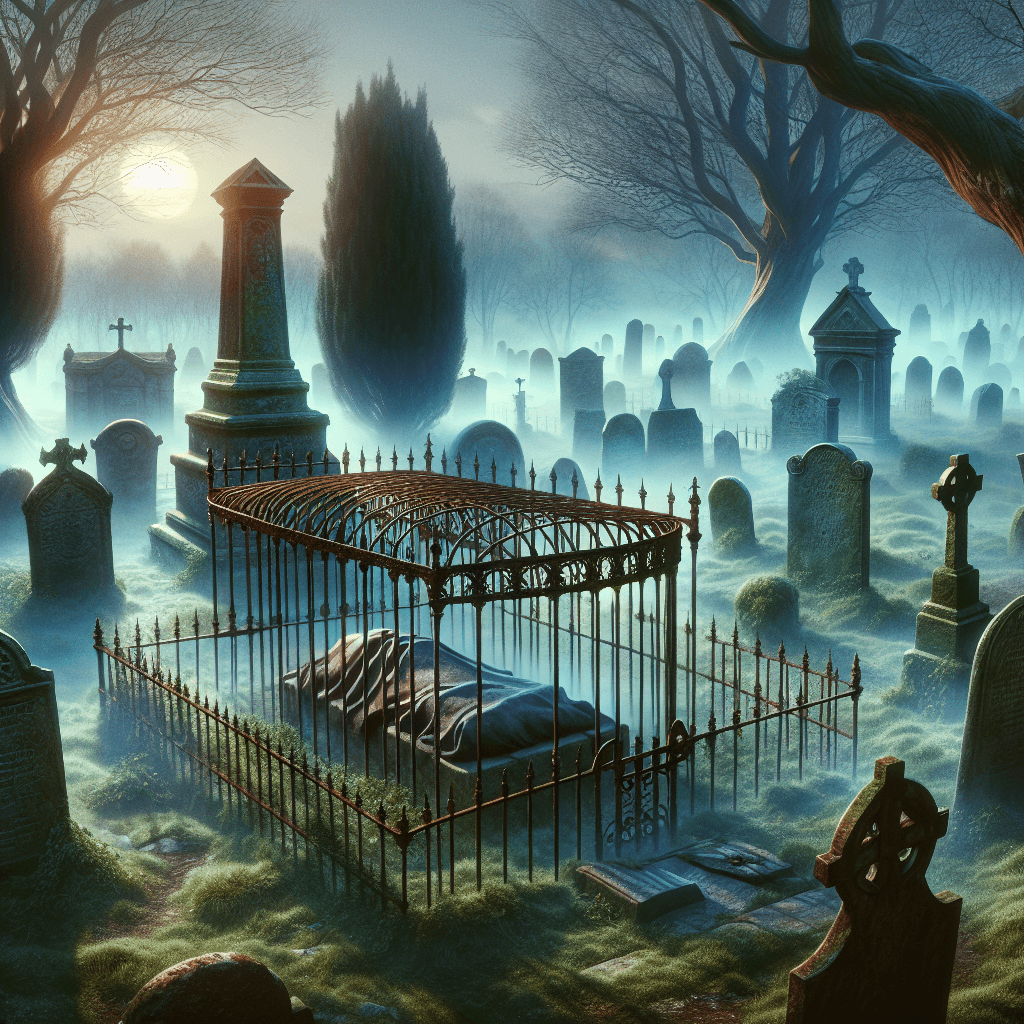
These eerie iron cages weren't built to keep the dead from rising. The truth is far more sinister: they were designed to stop the living from dragging them out.

Too Long; Didn't Read
Iron cages over old graves, called mortsafes, were used in the 1800s to stop body snatchers. Thieves stole fresh corpses to sell to medical schools for dissection, and the cages protected the bodies until they were too decomposed to be of any value.
Mortsafe Mysteries: Why Do Some Very Old Cemeteries Have Heavy Iron Cages Built Over the Graves?
Have you ever wandered through a historic cemetery and stumbled upon a grave that looks more like a cage? A heavy, intricate grid of iron bars locked over the final resting place of someone from centuries past. The sight is immediately unsettling, sparking grim questions. Was this meant to keep grave robbers out, or to keep the deceased in? While folklore loves a good vampire tale, the truth behind these grave cages is rooted in a terrifyingly real and practical problem. This post will uncover the ghoulish history of these iron contraptions and explain the desperate circumstances that made them a necessity.
The Ghoulish Threat: A Rise in Body Snatching
To understand why people caged their dead, we must travel back to the 18th and early 19th centuries, particularly in Great Britain. This was an era of incredible scientific advancement, and medical schools were flourishing. The study of human anatomy was critical for training new doctors, but there was a severe and persistent problem: a shortage of legally obtainable bodies for dissection.
At the time, the only cadavers legally available to anatomists were those of executed criminals. This supply was nowhere near enough to meet the demand from burgeoning medical universities in cities like Edinburgh and London. This created a lucrative and grisly black market. Enter the "Resurrection Men," or body snatchers. These gangs would lurk in the shadows, waiting for fresh burials. Under the cover of darkness, they would exhume the recently deceased, pack them in sacks, and sell them to anatomy schools for a handsome price. Public terror was rampant, as no one, rich or poor, was safe from this posthumous violation.
Fortifying the Final Resting Place: The Invention of the Mortsafe
Faced with the constant threat of a loved one’s body being stolen from its grave, communities and families fought back. They developed several ingenious and robust methods of protection, the most visually striking of which was the mortsafe.
A mortsafe is a heavy iron cage, sometimes combined with stone, that was placed directly over a coffin during and after burial. Their design and use were clever:
- Temporary Protection: Most mortsafes were not permanent fixtures. They were often owned by the parish and rented out to families for a fee.
- The Deay Period: The cage would be locked in place over the grave for about six weeks. This was long enough for the body to decompose to a point where it was no longer of any use to an anatomist.
- Reuse and Recycle: Once the body was considered safe from theft, the heavy mortsafe would be removed and made available for the next recent burial in the parish.
This wasn't the only method families used. Other popular forms of grave protection included building secure, stone-walled watch-houses for guards to survey the grounds, laying massive, heavy stone slabs directly over the coffin, or even constructing a solid stone or brick vault around the burial.
Dispelling the Myths: What Mortsafes Were NOT For
The dramatic appearance of a mortsafe has naturally led to some persistent and spooky myths. The most common is that they were designed to prevent the dead—specifically vampires or zombies—from rising from their graves.
While this makes for a great horror story, it has no basis in historical fact. The construction of mortsafes corresponds directly with the peak of the body-snatching trade. They were a practical, earthly solution to a very real criminal problem, not a superstitious defense against the supernatural. Another myth suggests they were to keep animals from digging up graves. While that could be a secondary benefit, the sheer cost and strength of a mortsafe were extreme overkill for protecting a grave from a fox or badger; their true purpose was to thwart determined men with shovels and crowbars.
A Macabre Chapter Closed
The era of the Resurrection Men and the need for mortsafes came to a close not through better policing, but through a change in the law. The Anatomy Act of 1832 was passed in the UK, which radically expanded the legal supply of cadavers for medical science, allowing unclaimed bodies from workhouses and hospitals to be used. This effectively destroyed the body snatchers’ business model overnight.
Today, the few mortsafes that remain in old churchyards stand as silent, iron-clad witnesses to a grim period in history. They are not relics of vampire panic but somber monuments to the love and desperation of families who sought to give their departed one final, inviolable peace in an age when even the dead could not rest easy.