
Why do the famous Easter Island heads actually have massive bodies buried underground
The iconic Easter Island heads have been keeping a colossal secret. We’re digging up the truth about the massive, full-bodied statues hidden just beneath the surface and the stunning reason for their burial.

Too Long; Didn't Read
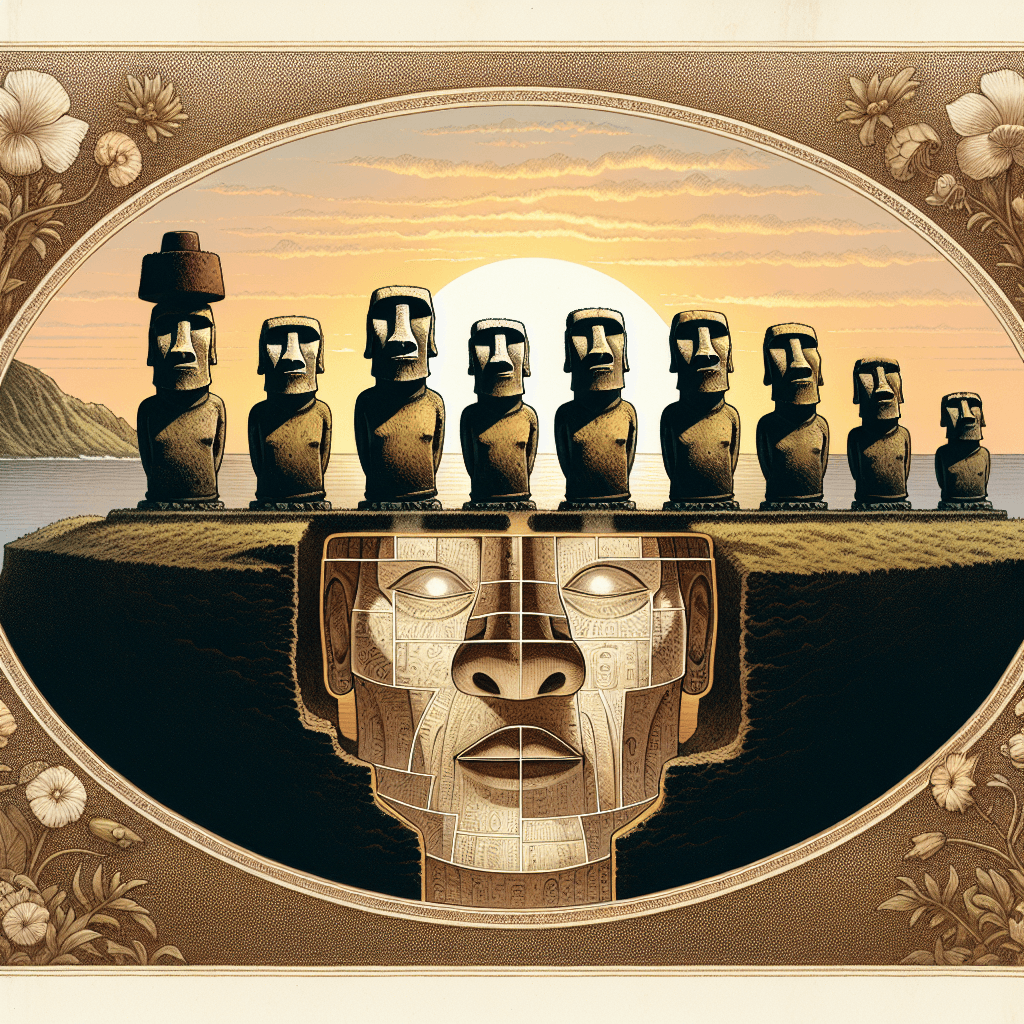
TLDR: The Easter Island heads are actually full-body statues. They were not buried on purpose; over centuries, natural erosion and sediment simply washed down from the hills and gradually covered their massive torsos.
Unearthing the Truth: Why Do the Famous Easter Island Heads Actually Have Massive Bodies Buried Underground?
When you picture Easter Island, what comes to mind? For most, it's the iconic image of colossal stone heads, their stoic faces gazing out from grassy hillsides. These enigmatic figures have captivated the world for centuries, fueling speculation and mystery. But what if the image you have in your head is only part of the story? In 2012, photos went viral showing archaeologists excavating these famous "heads," revealing that they were attached to massive torsos extending deep into the earth. This wasn't new information to archaeologists, but for the public, it was a stunning revelation. This post will dig into the truth behind these buried giants, explaining exactly why these world-famous heads have bodies and how they got buried in the first place.
Not Just Heads: Introducing the Moai
First, let's clear up a common misconception. The statues are not, and never were, just heads. They are called moai (pronounced mo-eye), and they are complete, albeit stylized, monolithic human figures. The ancient Rapa Nui people who carved them between 1250 and 1500 A.D. created full-body statues, complete with torsos, arms held at their sides, and hands resting on their abdomens.
The reason the "head" imagery is so pervasive is due to the location of the most photographed statues. Many of the moai that remain standing in their original positions are situated on the slopes of the Rano Raraku volcano, the quarry where nearly all the statues were carved. These are the ones that became buried up to their necks over time. In contrast, hundreds of other moai were successfully transported from this quarry and erected on stone platforms (ahu) along the island's coastline, where their full bodies are clearly visible.
Why Are They Buried? The Slow Work of Time and Nature
The burial of the Rano Raraku moai wasn't a deliberate act by the Rapa Nui people. There is no ancient mystery of a population intentionally hiding their creations. The real culprit is a much slower, more persistent force: nature.
The process is a straightforward case of geology and time. The moai standing on the slopes of the Rano Raraku quarry were either left there awaiting transport or were positioned there permanently. Over the centuries, several natural processes occurred:
- Erosion and Sedimentation: Rainwater, wind, and gravity slowly eroded the soft volcanic tuff of the quarry slopes.
- Gradual Accumulation: This eroded soil, debris, and sediment washed downhill, gradually accumulating around the bases of the statues.
- Slow Burial: Over hundreds of years, this steady buildup of earth encased the lower portions of the moai, leaving only their iconic heads and shoulders exposed to the elements.
Essentially, the island itself slowly reclaimed the statues. This natural process acted as a time capsule, preserving the parts of the moai that were hidden from the corrosive effects of wind and rain.
What the Buried Torsos Revealed
The slow burial of the moai turned out to be a blessing for modern archaeology. Since the early 2010s, the Easter Island Statue Project (EISP), directed by archaeologist Jo Anne Van Tilburg, has undertaken meticulous excavations of the Rano Raraku statues. By carefully removing the soil, they uncovered a wealth of information that had been protected for centuries.
These excavations revealed several incredible details:
- Intricate Petroglyphs: The buried torsos were covered in detailed carvings, or petroglyphs, that were preserved in pristine condition. These designs, which include crescents thought to represent Rapa Nui canoes (vaka), would have long since weathered away on the exposed surfaces.
- Evidence of Engineering: The team found large post holes, rope guides, and stone tools, providing crucial clues about the complex techniques the Rapa Nui people used to carve, lift, and secure these multi-ton statues.
- Ceremonial Traces: The excavations also uncovered traces of red pigment, suggesting the statues were once painted for ceremonial purposes, adding a vibrant new layer to our understanding of their cultural significance.
Conclusion
The famous Easter Island "heads" are, in fact, full-bodied moai statues, buried not by ancient mystery but by the relentless, centuries-long process of natural erosion. The image of lone heads on a hillside is a powerful but incomplete snapshot of these magnificent sculptures. The excavations led by the Easter Island Statue Project have not only corrected this popular misconception but have also unearthed a treasure trove of information. The protected torsos have given us a clearer window into the artistry, engineering, and rituals of the Rapa Nui people. The story of the buried moai serves as a powerful reminder that sometimes, the greatest discoveries are waiting just beneath the surface.


