
Why do traditional chef hats feature exactly one hundred pleats in their design
From the heat of the kitchen to the height of the toque, every fold in a chef’s hat tells a hidden story of culinary mastery. Discover the legendary reason behind those exactly 100 pleats and the single, humble ingredient that inspired them all.

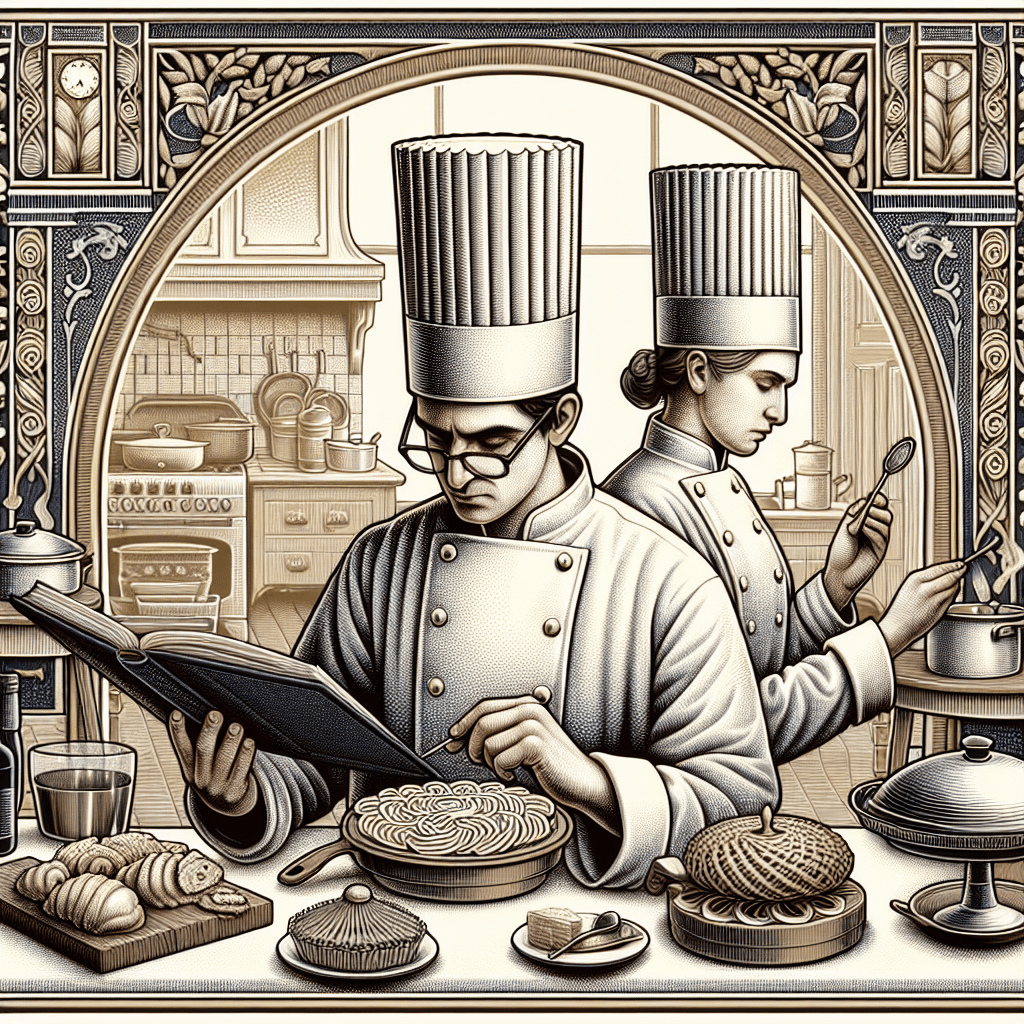
Too Long; Didn't Read
Traditional chef hats, known as toques, feature 100 pleats to symbolize a master chef’s level of expertise, specifically representing the 100 different ways they know how to prepare an egg.
The Mastery of the Toque: Why Do Traditional Chef Hats Feature Exactly One Hundred Pleats in Their Design?
When you envision a professional chef, the first image that likely comes to mind is the tall, starch-white hat towering above a busy kitchen. This iconic headwear, known formally as the toque blanche, is far more than a simple hygienic barrier to keep hair out of food. It is a storied emblem of culinary hierarchy, history, and specialized knowledge. Among its most curious features is the presence of precisely one hundred folds or pleats. But why do traditional chef hats feature exactly one hundred pleats in their design? This blog post delves into the fascinating history of the toque, exploring how a kitchen garment became a literal record of a chef’s expertise and a tribute to the versatility of the humble egg.
The Historical Origin of the Toque Blanche
The evolution of the chef’s hat is inextricably linked to the birth of modern French cuisine. While various forms of headcoverings were used in kitchens for centuries, the standardized white hat we recognize today was popularized in the mid-19th century by Marie-Antoine Carême. Known as the "King of Chefs and the Chef of Kings," Carême believed that the kitchen uniform should reflect the dignity and professionalism of the craft.
According to culinary historians, Carême was the first to insist on the white color—to signify cleanliness—and the differing heights of the hats to denote rank. However, the introduction of the pleats was a more gradual refinement of the design. Initially, hats were pleated simply to provide structural integrity, allowing the fabric to stand upright in the sweltering heat of a commercial kitchen. Over time, these pleats transitioned from a functional necessity to a symbolic representation of a chef’s professional achievements.
One Hundred Ways to Cook an Egg
The most enduring and widely accepted explanation for the one hundred pleats concerns a chef's technical proficiency. In the rigorous world of classical French cooking, the mastery of foundational ingredients is the true test of a professional.
Legend dictates that the one hundred pleats represent the one hundred different ways a master chef knows how to prepare an egg. This served as a visual resume, signaling to peers and patrons that the wearer had reached the pinnacle of culinary skill. These methods include, but are certainly not limited to:
- Poaching: Achieving the perfect teardrop shape with a liquid yolk.
- Omelets: Mastering the classic French omelet—pale, almond-shaped, and creamy inside.
- Soufflés: Utilizing egg whites for maximum lift and stability.
- Emulsions: Creating stable Hollandaise and Béarnaise sauces.
- Frying: Executing the perfect "sunny side up" without browning the edges.
This tradition reinforced the idea that if a chef could master the complexities of a single, delicate ingredient like the egg, they were capable of managing any challenge the kitchen might present.
Height and Hierarchy: A Complementary Tradition
While the number of pleats signifies a breadth of knowledge, the height of the hat traditionally signifies the chef’s rank within the brigade de cuisine (the kitchen hierarchy). Historically, the Executive Chef or Chef de Cuisine wore the tallest hat, sometimes reaching up to 18 inches high.
- High Toque: Reserved for the head of the kitchen, signaling authority.
- Short Toque or Skullcap: Worn by line cooks or apprentices who were still earning their pleats.
When combined, the height and the one hundred pleats created a clear visual language. A tall hat with many pleats commanded immediate respect, identifying a leader who possessed both the administrative authority to run a kitchen and the technical skill to execute a century’s worth of techniques.
The Toque in the Modern Kitchen
In contemporary gastronomy, the strict requirement for one hundred pleats has relaxed. Many modern kitchens favor practicality, opting for shorter cloth hats, disposable paper toques, or even baseball caps and beanies. However, in prestigious culinary academies and Michelin-starred establishments, the tradition remains a point of pride.
The "one hundred pleats" concept continues to serve as a metaphor for the lifelong journey of culinary learning. It reminds chefs that even the most basic ingredients require immense study and precision to perfect.
Conclusion
The traditional chef’s hat is a remarkable example of how a functional garment can evolve into a profound symbol of excellence. To answer the question—why do traditional chef hats feature exactly one hundred pleats in their design?—one must look past the fabric and into the heart of culinary craftsmanship. Those one hundred folds represent a commitment to mastery, specifically the legendary one hundred ways to prepare an egg, and serve as a testament to the chef’s dedication to their art. While modern kitchen fashion may change, the toque blanche remains an enduring reminder that true culinary expertise is built one technique at a time. Whether you are an aspiring cook or a seasoned foodie, understanding this history adds a layer of appreciation for the discipline required to wear the crown of the kitchen.


