
Why do you see stars when you stand up too quickly
That dizzying, star-filled head rush is more than a weird sensation—it's your brain and your blood pressure in a brief, dramatic tug-of-war with gravity.

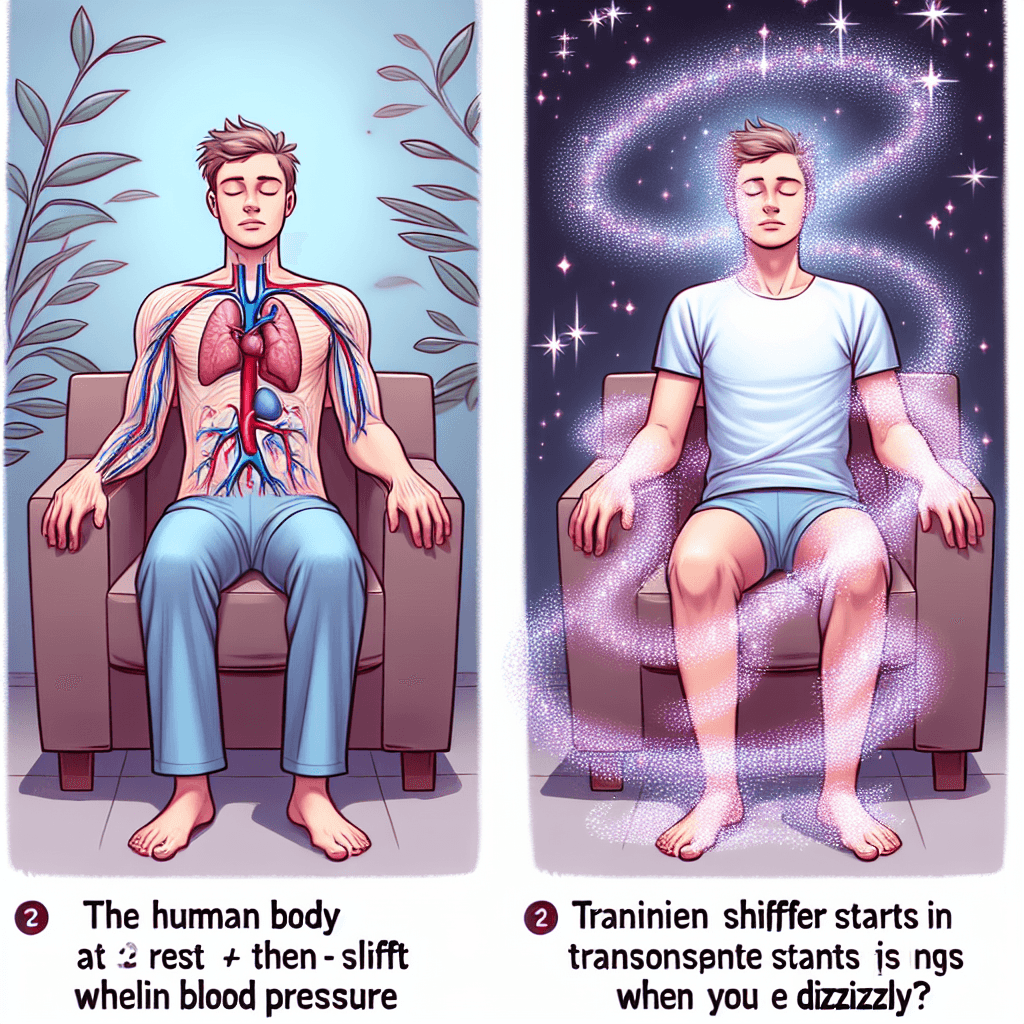
Too Long; Didn't Read
TLDR: Standing up too fast causes a temporary drop in blood pressure, briefly reducing oxygen to your brain and eyes. Your oxygen-starved eye cells misfire, creating the illusion of seeing stars until your blood pressure normalizes.
Seeing Stars: The Science Behind Why You Get Dizzy When You Stand Up Too Quickly
We’ve all been there. You’ve been relaxing on the couch or sitting at your desk for a while. You suddenly stand up to grab something, and for a moment, the world goes fuzzy. Your vision might dim, you feel lightheaded, and you see a smattering of tiny, sparkling lights. This brief, disorienting experience is incredibly common, but what exactly is happening inside your body? This isn't a sign of a burgeoning superpower; it’s a fascinating physiological response. This blog post will demystify the science behind why you see stars when you stand up too quickly, exploring the intricate dance between gravity, your blood pressure, and your brain.
The Culprit: A Brief Case of Orthostatic Hypotension
That dizzy, star-filled sensation has a medical name: orthostatic hypotension (or postural hypotension). Let’s break that down:
- Orthostatic: Relates to or is caused by an upright posture.
- Hypotension: The medical term for low blood pressure.
When you sit or lie down, gravity helps distribute your blood fairly evenly throughout your body. However, the moment you stand up, gravity pulls a significant amount of blood—around 500 to 800 milliliters—down into your legs and abdominal area. This sudden shift causes a temporary drop in the amount of blood returning to your heart, which in turn leads to a swift dip in your overall blood pressure.
Your Body's Rapid Response System
Your body is equipped with a sophisticated, lightning-fast system to counteract this effect. Specialized pressure sensors called baroreceptors, located in the arteries of your neck and chest, immediately detect this drop in blood pressure. They fire off signals to your brain, which acts as a central command center.
In response, your brain instructs your body to:
- Increase your heart rate: Your heart starts beating faster to pump more blood throughout your body.
- Constrict blood vessels: The blood vessels in your lower body and abdomen tighten, pushing blood back up toward your heart and brain.
This entire process happens within a second or two. It's an incredible example of your autonomic nervous system—the part of your nervous system that handles involuntary actions—working perfectly behind the scenes.
So, Why Do You Actually See "Stars"?
The "seeing stars" phenomenon occurs when there's a slight lag in this rapid response system. For just a few seconds, the corrective measures haven't fully kicked in, and your brain and eyes experience a temporary shortage of oxygen-rich blood.
The "stars" themselves are a direct result of this brief oxygen deficit affecting your retina—the light-sensitive tissue at the back of your eye. The retina has an extremely high metabolic rate and is one of the most oxygen-demanding tissues in the body. When its blood supply is momentarily reduced, the light-sensing cells (photoreceptors) can become unstable and fire off random electrical signals. Your brain interprets these random signals as phosphenes—brief flashes of light or sparkles—which we call "seeing stars." In more significant instances, you might also experience a temporary dimming of vision or even "tunnel vision."
Common Triggers and When to Be Concerned
For most people, experiencing orthostatic hypotension occasionally is completely normal and harmless. It's more likely to happen under certain conditions:
- Dehydration: When you're dehydrated, your blood volume is lower, making it harder for your body to compensate for pressure changes.
- Heat: High temperatures can cause your blood vessels to dilate (widen) to help cool your body, which can contribute to a drop in blood pressure.
- Prolonged Bed Rest: After being sick or immobile for a while, your body's regulatory system can become slightly deconditioned.
- Certain Medications: Some medications, particularly for high blood pressure, can make this effect more pronounced.
While typically benign, you should consider speaking with a doctor if you experience these symptoms frequently, if they last for more than a few seconds, or if they are accompanied by fainting, chest pain, or blurred vision.
Conclusion
The next time you stand up too quickly and are greeted by a brief, personal light show, you'll know exactly what's happening. That fleeting dizziness is simply a sign of your body momentarily playing catch-up with gravity. The "stars" you see are not in the room but are a harmless misfiring of your retinal cells due to a temporary dip in blood flow. It’s a testament to the remarkable, self-regulating system that works tirelessly to keep you balanced and conscious. To avoid the sensation, simply try to stand up a bit more slowly, giving your body the extra second it needs to adjust seamlessly.


