
Why do your nostrils take turns doing most of the breathing throughout the day
You’re almost never breathing through both nostrils at the same time, and the reason why is a fascinating biological masterpiece. Discover the hidden "tag-team" system your body uses to sharpen your senses and keep you healthy throughout the day.

Too Long; Didn't Read
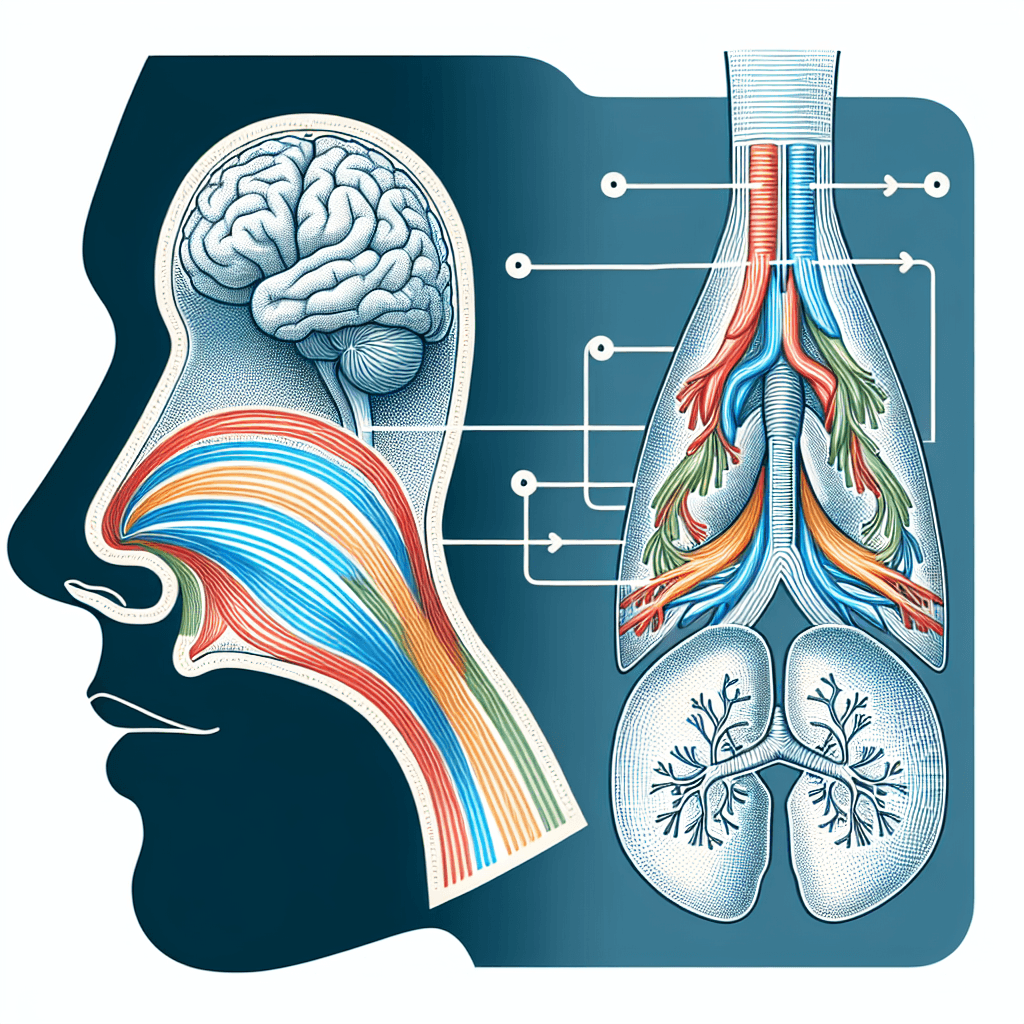
Your nostrils alternate breathing duties through a process called the nasal cycle, which is managed by the autonomic nervous system. This periodic switching prevents the inside of your nose from drying out, protects against infections, and improves your sense of smell by varying airflow speeds between each side.
The Nasal Cycle: Why Do Your Nostrils Take Turns Doing Most of the Breathing Throughout the Day?
Have you ever pressed a finger against one nostril, inhaled deeply, and then repeated the process on the other side, only to find that one side feels significantly more "clogged" than the other? Before you reach for the decongestant, consider that this isn't necessarily a sign of a cold or allergies. In fact, it is a perfectly normal biological phenomenon. For the vast majority of people, the nose does not breathe evenly. Instead, our nostrils operate on a shifting schedule, alternating the primary workload of airflow. This physiological process, known as the "nasal cycle," is a sophisticated regulatory mechanism. This post explores the science behind why your nostrils take turns doing most of the breathing throughout the day and how this process benefits your respiratory health.
Understanding the Nasal Cycle
The nasal cycle is an ultradian rhythm—a biological cycle that repeats throughout an 8-hour to 24-hour day—characterized by the alternating partial congestion and decongestion of the nasal passages. First documented by German physician Richard Kayser in 1895, this process is controlled by the autonomic nervous system, the same system that manages involuntary functions like heart rate and digestion.
While you might perceive the "stuffy" side as being blocked, it is rarely fully closed. Instead, the autonomic nervous system rotates the levels of resistance in each airway. According to research published in the Journal of Applied Physiology, the cycle typically lasts anywhere from 90 minutes to several hours, though the duration can vary significantly based on the individual’s age, posture, and environmental conditions.
The Mechanism: How the Switch Happens
The physical shifting of airflow is made possible by specialized "erectile" tissue located in the nasal turbinates (the structures on the side walls of the nasal cavity). When the body decides it is time to switch the primary breathing nostril, the following occurs:
- Congestion: Blood vessels in the turbinates of one nostril dilate, causing the tissue to swell with blood. This narrows the airway and reduces airflow.
- Decongestion: Simultaneously, the blood vessels in the other nostril constrict, shrinking the tissue and opening the airway for maximum inhalation.
This process is governed by the hypothalamus, which sends signals through the sympathetic and parasympathetic nervous systems to regulate blood flow to the nasal mucosa.
Why Do Our Nostrils Take Turns?
Evolution has not left the nasal cycle to chance; this alternating rhythm serves several vital purposes for our health and sensory perception.
1. Humidification and Protection
The primary job of the nose is to condition the air before it reaches the sensitive tissues of the lungs. The lungs require air that is warm and moist. If both nostrils were "wide open" all the time, the constant rush of air could dry out the nasal lining (mucosa) and the cilia—the tiny hairs that filter out dust and pathogens. By alternating the airflow, the "resting" nostril has time to recover its moisture, ensuring the nose can continue to trap bacteria and allergens effectively.
2. Enhancing the Sense of Smell
The nasal cycle actually improves our ability to perceive different scents. Research suggests that some odor molecules are absorbed more easily by the olfactory receptors when air is moving quickly, while others require a slower-moving stream of air to be properly detected. By having one nostril open for fast-moving air and one slightly constricted for slow-moving air, the brain receives a more complete "smell profile" of the environment.
3. Filtration and Cleaning
The period of relative congestion allows the cilia to move trapped particles toward the throat to be swallowed and neutralized by stomach acid. This "downtime" ensures that the filtration system does not become overwhelmed or fatigued.
Factors That Influence the Cycle
While the nasal cycle is an automated internal process, external factors can alter its rhythm. For example:
- Body Position: When lying on your side, the "down" nostril often becomes more congested due to gravity and changes in vascular pressure.
- Physical Activity: During intense exercise, the nasal cycle usually pauses, and both nostrils open fully to maximize oxygen intake.
- Health Status: When you have a cold, the inflammation of the nasal lining makes the natural cycle much more noticeable, often leading to the sensation that one side of your nose is completely blocked.
Conclusion
The fact that your nostrils take turns doing most of the breathing throughout the day is a testament to the body’s efficiency. Far from being a flaw, the nasal cycle is a protective and sensory-enhancing mechanism that ensures our lungs receive conditioned air and our brains stay alert to environmental scents. By rotating the workload, the nose maintains its moisture levels, filters out harmful debris, and functions as a high-performance gateway to the respiratory system. The next time you notice one nostril working harder than the other, you can appreciate it as a sign that your autonomic nervous system is performing its duties exactly as intended.


