
Why does a drop of soap make pepper flakes instantly scatter across water
It’s not magic that makes the pepper scatter, but the dramatic collapse of an invisible "skin" on the water's surface. Discover the powerful molecular showdown that happens in the blink of an eye.

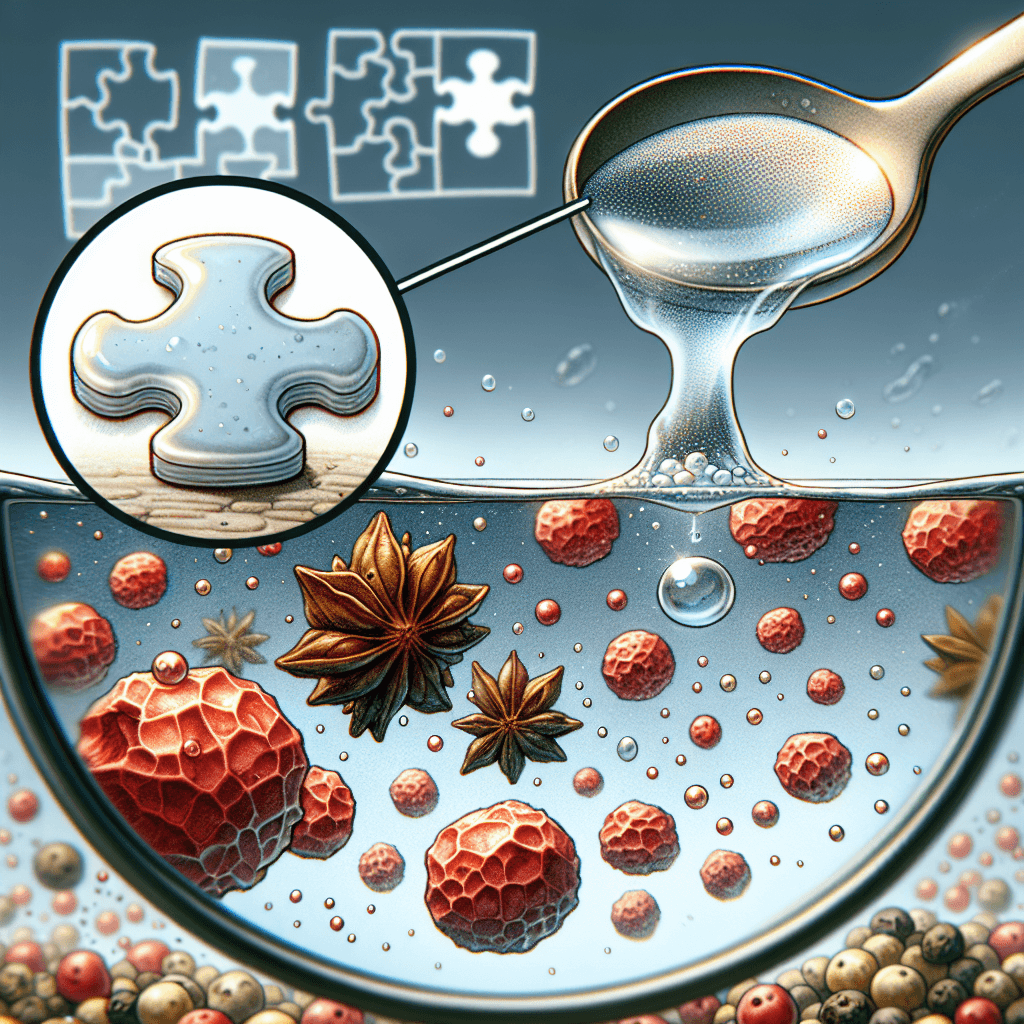
Too Long; Didn't Read
TLDR: Pepper floats on water’s strong surface tension. Soap instantly breaks that tension where it lands, causing the surrounding high-tension water to rapidly pull away, dragging the pepper flakes along for the ride.
The Magic of Surface Tension: Why Does a Drop of Soap Make Pepper Flakes Instantly Scatter Across Water?
Have you ever tried the simple yet mesmerizing kitchen experiment? You sprinkle a fine layer of black pepper onto the surface of a bowl of water, where it floats peacefully. Then, you touch the center of the water with a single drop of dish soap, and in an instant, the pepper flakes flee to the edges of the bowl as if startled. It looks like magic, but it’s actually a brilliant demonstration of a powerful scientific principle at work. This isn't a case of pepper-recoiling in fear; it's a dynamic display of chemistry and physics. This post will unravel the molecular dance behind this classic experiment, explaining precisely why soap sends pepper scattering.
What is Surface Tension? The Water's Invisible Skin
Before we introduce the soap, we first need to understand the main character in this story: water's surface tension. While you can't see it, the surface of the water acts like a thin, stretched, invisible skin. This phenomenon is due to a property called cohesion.
Water molecules (H₂O) are "polar," meaning they have a slight positive charge on one end and a slight negative charge on the other. Much like tiny magnets, these opposite charges cause water molecules to be strongly attracted to one another. Below the surface, a molecule is pulled equally in all directions by its neighbors. However, at the surface, the molecules have no water molecules above them. As a result, they are pulled more strongly by the molecules beside and below them. This inward pull creates a tight, cohesive network at the surface, which is strong enough to support lightweight objects like pepper flakes or even allow insects like water striders to "walk" on water.
Enter the Soap: The Great Disruptor
Now, let's introduce the agent of chaos: the soap. Soap molecules are fascinating. They are surfactants, meaning they are active on the surface of a liquid. Each soap molecule has a unique two-part structure:
- A Hydrophilic Head: This part is "water-loving" and is attracted to water molecules.
- A Hydrophobic Tail: This part is "water-fearing" and tries to get as far away from water as possible. It is, however, attracted to oils and fats.
When a drop of soap lands in the water, its molecules get to work immediately. The hydrophilic heads dive into the water, while the hydrophobic tails, trying to escape, poke up and spread out across the surface. This action of millions of soap molecules wedging themselves between the water molecules disrupts the cohesive forces holding the water's "skin" together. In an instant, the soap drastically weakens and breaks the surface tension in the area where it was added.
The Sudden Scatter: Putting It All Together
Here’s the grand finale. The pepper itself isn't reacting to the soap. It's just a lightweight, passive observer that gets carried along for the ride.
When the soap hits the center of the bowl, it creates a zone of very low surface tension. However, the water at the edges of the bowl still has its original, high surface tension. The stronger, unbroken surface tension around the rim of the bowl acts like a stretched rubber sheet that has just been released in the middle. It pulls the surface water (and the pepper flakes floating on it) outward toward the edges, away from the weakened central spot. The "explosion" you see is the result of the high-tension water contracting and pulling everything on the surface with it. It’s not the soap pushing the pepper away, but rather the surrounding water pulling the surface layer away from the soapy area.
Conclusion
So, the next time you watch pepper scatter at the touch of soap, you'll know you're witnessing a beautiful demonstration of molecular forces. The phenomenon is a perfect interplay between the strong cohesive forces of water creating high surface tension and the disruptive, dual-natured properties of soap molecules that break that tension. This simple experiment does more than create a neat visual effect; it provides a tangible glimpse into the invisible world of chemistry that governs everything from how we wash our hands to how life thrives on our planet. It’s a powerful reminder that sometimes, the most profound scientific lessons can be found right in your kitchen sink.


