
Why does a full moon make some coral reefs explode in a synchronized spawning event
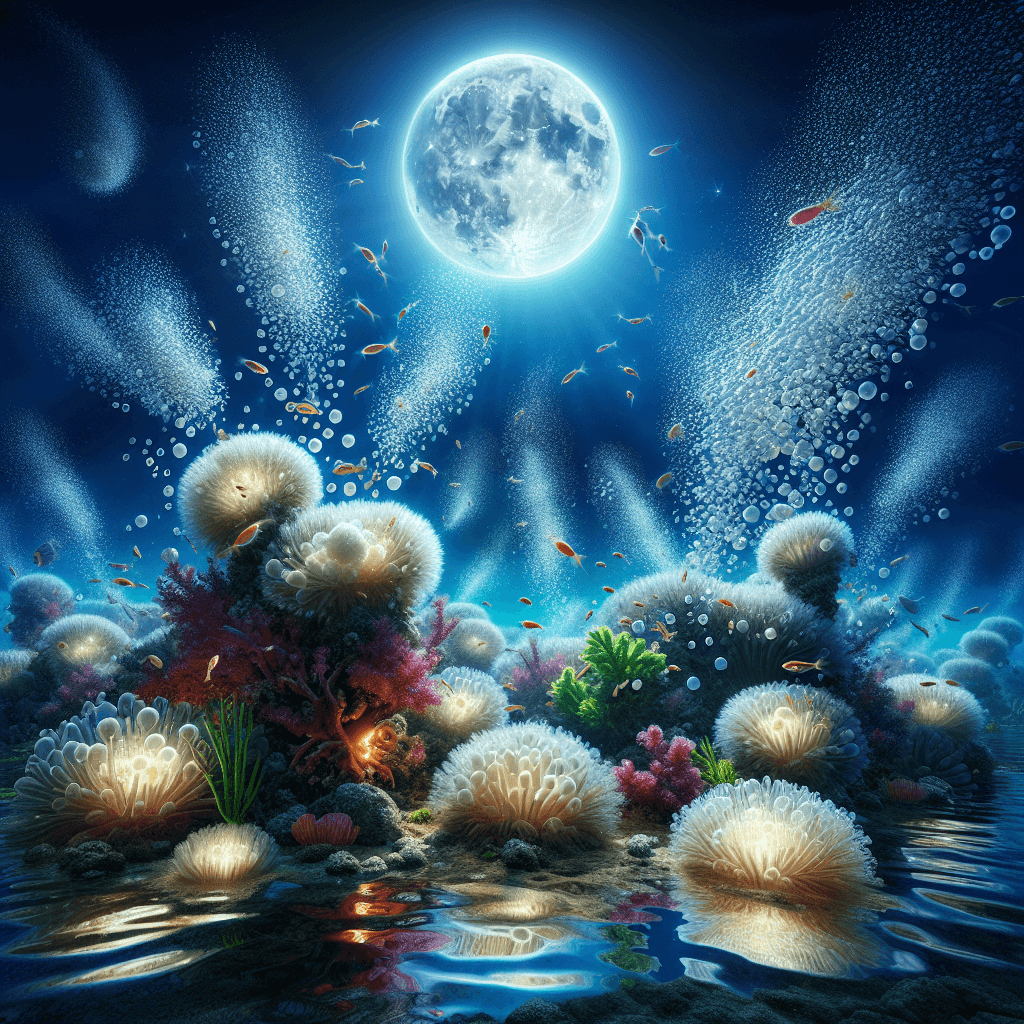
Under the silent cue of a full moon, entire reefs suddenly explode in a synchronized underwater snowstorm, and the secret behind this breathtaking event is written in an ancient, light-sensitive code.

Too Long; Didn't Read
TLDR: Corals use the full moon as a giant, synchronized clock. After sensing seasonal changes like warming water, the moonlight acts as the final trigger, telling all the corals on a reef to release their eggs and sperm at the same time. This massive, coordinated event maximizes the chances of fertilization.
The Lunar Clock: Why Does a Full Moon Make Some Coral Reefs Explode in a Synchronized Spawning Event?
Imagine an underwater snowstorm in the tropics. Millions of tiny, colorful spheres suddenly rise from an entire coral reef, blanketing the ocean in a blizzard of new life. This is not a dream; it's one of nature's most spectacular and precisely timed phenomena: mass coral spawning. For decades, scientists were mystified by how countless individual coral polyps, spread across kilometers of reef, knew to release their eggs and sperm at the exact same time. The answer, it turns out, is largely written in the sky. This post will dive into the science behind this incredible event and explore why the full moon acts as the ultimate starting gun for this synchronized reproductive explosion.
What is Coral Spawning?
Before we look to the moon, let's understand the event itself. Coral spawning is the primary method of sexual reproduction for many coral species. Corals are colonies of tiny animals called polyps. Once a year, these polyps produce and release reproductive cells, known as gametes (eggs and sperm), into the water column.
Most spawning species are "broadcast spawners," meaning they release bundles containing both eggs and sperm. These buoyant bundles float to the surface where they break apart, allowing gametes from different colonies to mix and fertilize. This genetic mixing is crucial for creating resilient and diverse future coral generations. The resulting larvae can drift on ocean currents for days or weeks before settling on the seafloor to start a new colony.
The Celestial Conductor: The Moon's Crucial Role
The timing of this release is everything. If a coral colony spawns too early or too late, its gametes will find no others to mix with, and the effort is wasted. This is where the moon takes center stage. Corals use a hierarchy of environmental cues to synchronize their spawning down to a specific hour on a specific night.
- Seasonal Cue: Rising water temperatures in late spring or summer signal that the right season has arrived. This is the broad, months-long window.
- Lunar Cue: The lunar cycle provides the next, more precise signal. Research has revealed that corals possess light-sensitive proteins called cryptochromes. These proteins can detect the subtle blue light of the moon. The consistent, month-long cycle of waxing and waning moonlight allows the corals to set their internal clocks. The bright, sustained light of the full moon (or the darkness of the nights immediately following it, depending on the species and region) acts as the final trigger, telling the reef that the correct night has come.
It's Not Just the Moon: The Final Cues
While the full moon is the headline act, it works in concert with other signals to achieve perfect synchronization. The final piece of the puzzle is the time of day.
Once the right season and the right night have been determined, the corals wait for sunset. The shift from daylight to darkness is the last environmental go-ahead they need. Most mass spawning events occur a few hours after sunset, giving the gametes the cover of darkness to avoid daytime predators like fish. This combination of rising water temperature, a specific lunar phase, and the onset of darkness ensures the entire reef acts as one.
Why Synchronize? The Ultimate Survival Strategy
The evolutionary advantage of this incredible timing is a simple numbers game. By releasing trillions of egg and sperm bundles all at once, corals overwhelm their predators. Hungry fish, crabs, and other reef inhabitants can only eat so much. This strategy, known as "predator satiation," ensures that a vast majority of the gametes survive to fertilize and begin their journey.
Furthermore, releasing gametes simultaneously in such high concentrations dramatically increases the probability of successful fertilization. The closer the eggs and sperm are to each other, the better their chances of meeting. This mass spawning turns the ocean into a rich soup of genetic possibility, maximizing the odds of creating the next generation of coral reefs.
Conclusion
The synchronized spawning of a coral reef is a breathtaking display of nature's intricate timing. It’s not magic, but a finely tuned biological response to a cascade of environmental cues. From the gradual warming of the ocean to the precise moment of sunset, each signal narrows the window for reproduction. The full moon, however, serves as the most critical conductor in this natural orchestra, its reliable celestial light providing the ultimate cue for countless colonies to release their hopes for the future. This event is not only a beautiful spectacle but a vital process that underpins the resilience and survival of coral ecosystems worldwide, reminding us of the deep and powerful connections between our planet and the cosmos.


