
Why does eating spinach sometimes leave a strange, chalky film on your teeth
Ever felt that strange, gritty film on your teeth after eating a healthy salad? It’s not just your imagination; it's a bizarre chemical reaction happening right inside your mouth.

Too Long; Didn't Read
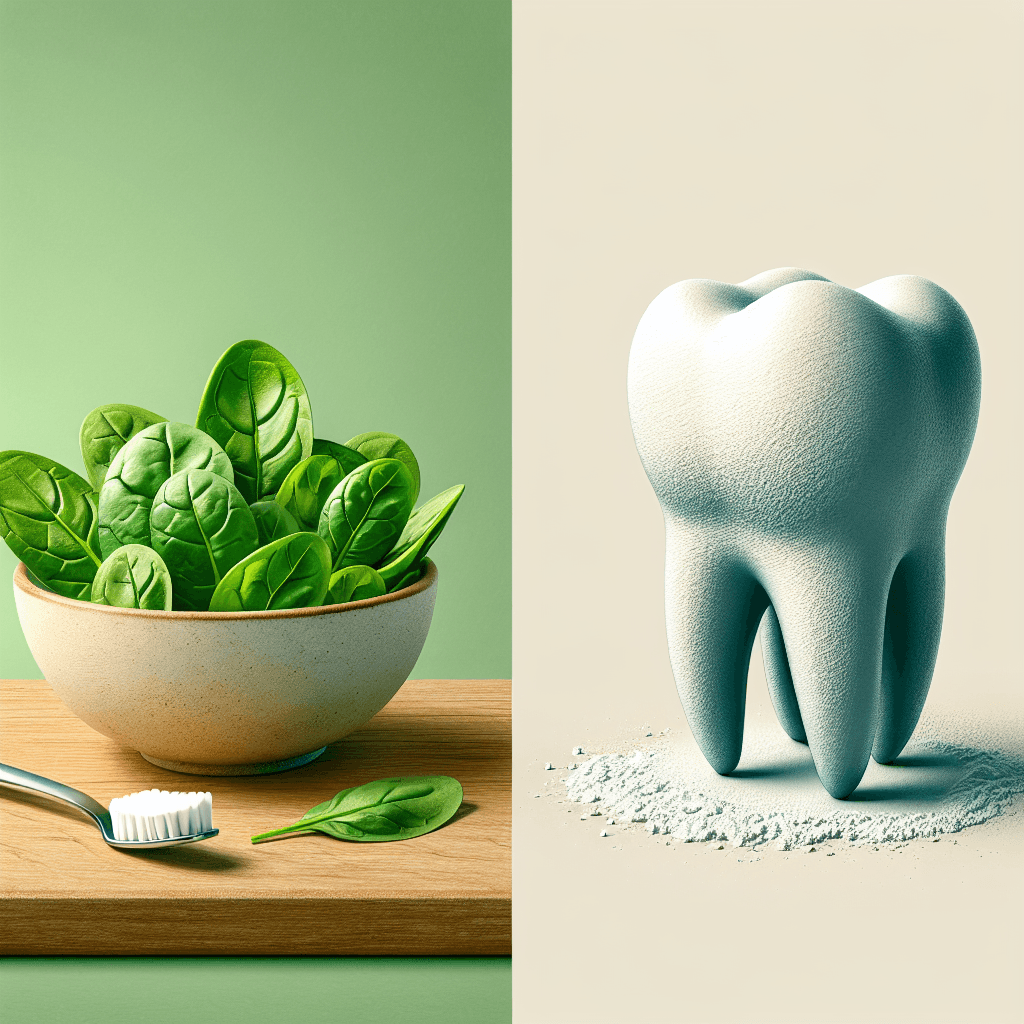
TLDR: Spinach contains oxalic acid, which binds with calcium in your saliva to form tiny, gritty crystals. These harmless crystals stick to your teeth, creating that strange, chalky film.
The 'Spinach Teeth' Phenomenon: Why Does Eating Spinach Leave a Strange, Chalky Film on Your Teeth?
Have you ever finished a delicious, healthy spinach salad or a side of sautéed greens, only to be left with a peculiar, fuzzy feeling on your teeth? It’s a strange, chalky sensation that no amount of tongue-swiping seems to fix. This common experience, often called "spinach teeth," can be off-putting and has left many people wondering what’s happening inside their mouths. Is it a sign of a problem, or just a harmless quirk of this leafy green? This post will demystify the science behind spinach teeth, explaining exactly what causes that gritty film and what you can do about it.
The Chemical Culprit: Meet Oxalic Acid
The unique sensation you experience after eating spinach isn't caused by leftover food particles or a film of sugar. The true culprit is a naturally occurring compound called oxalic acid.
Spinach is packed with this organic acid, as are other healthy foods like rhubarb, beets, chard, and nuts. In plants, oxalic acid often acts as a defense mechanism, deterring animals from eating them by creating a bitter taste and that signature mouthfeel. While it plays a vital role for the plant, it’s also the primary ingredient in the chemical reaction that takes place in your mouth, leading directly to the feeling of spinach teeth.
The Chemistry in Your Mouth: From Acid to Crystals
The strange, chalky feeling isn't the oxalic acid itself, but rather what it becomes when it meets your saliva. Your saliva is rich in calcium, which is essential for protecting and strengthening your tooth enamel.
When you chew spinach, you release the oxalic acid from the plant's cells. This acid immediately binds with the free-floating calcium in your saliva. This chemical reaction forms tiny, needle-shaped crystals of calcium oxalate. These crystals are not soluble in water, meaning they don't dissolve. Instead, they precipitate out and coat the surfaces of your teeth, creating that distinct gritty, fuzzy, or chalky film. So, what you're feeling is not spinach, but countless microscopic crystals clinging to your enamel.
Should You Be Worried About 'Spinach Teeth'?
Hearing the word "acid" and "crystals" in relation to your teeth might sound alarming, but there’s no need to panic. The calcium oxalate crystals responsible for spinach teeth are not harmful to your dental health. They are soft, do not abrade your enamel, and are easily washed away by saliva or a simple rinse of water.
The only time high levels of oxalates are a significant health concern is for individuals who are prone to developing kidney stones, as the most common type is formed from calcium oxalate. However, for the vast majority of people, the amount of oxalic acid in a normal serving of spinach is perfectly safe and poses no risk.
Tips to Tame the Chalky Texture
While spinach teeth are harmless, the sensation can be unpleasant. Luckily, a few simple culinary tricks can significantly reduce or even prevent it from happening:
- Cook Your Spinach: Heat helps break down a portion of the oxalic acid. Steaming or boiling spinach is particularly effective, as some of the acid leaches out into the cooking water.
- Pair It with Calcium: This might sound counterintuitive, but adding a calcium-rich ingredient can help. By pairing spinach with cheese, a cream sauce, or a yogurt-based dressing, the oxalic acid binds with that dietary calcium in your stomach rather than the calcium in your saliva. This is why dishes like creamed spinach or spinach and feta omelets rarely cause that gritty feeling.
- Squeeze Some Lemon: A spritz of lemon juice or another citrus dressing can help. The ascorbic acid (Vitamin C) in citrus can help dissolve the calcium oxalate crystals, minimizing the chalky texture.
- Rinse Your Mouth: After eating, simply swishing your mouth with water is an effective way to wash away many of the crystals left clinging to your teeth.
Conclusion
The mystery of "spinach teeth" is ultimately a simple and harmless case of mouth chemistry. That strange, chalky film is just the result of oxalic acid from the spinach reacting with the calcium in your saliva to form tiny calcium oxalate crystals. This phenomenon shouldn't deter you from enjoying this nutrient-dense superfood. By understanding the science, you can easily use cooking methods and food pairings to minimize the sensation. So go ahead and enjoy your spinach, knowing that the fuzzy feeling is just a sign of a fascinating natural reaction taking place.


