
Why does hearing someone chew fill some people with uncontrollable rage
It’s not just you being picky—for some, the sound of chewing is a neurological trigger that can send their brain into a genuine fight-or-flight panic.

Too Long; Didn't Read
TLDR: It's a neurological condition called Misophonia. Your brain overreacts to specific sounds like chewing, triggering a genuine fight-or-flight response that results in uncontrollable anger or panic. It’s not just being sensitive; it's how your brain is wired.
Misophonia Explained: Why Does Hearing Someone Chew Fill Some People with Uncontrollable Rage?
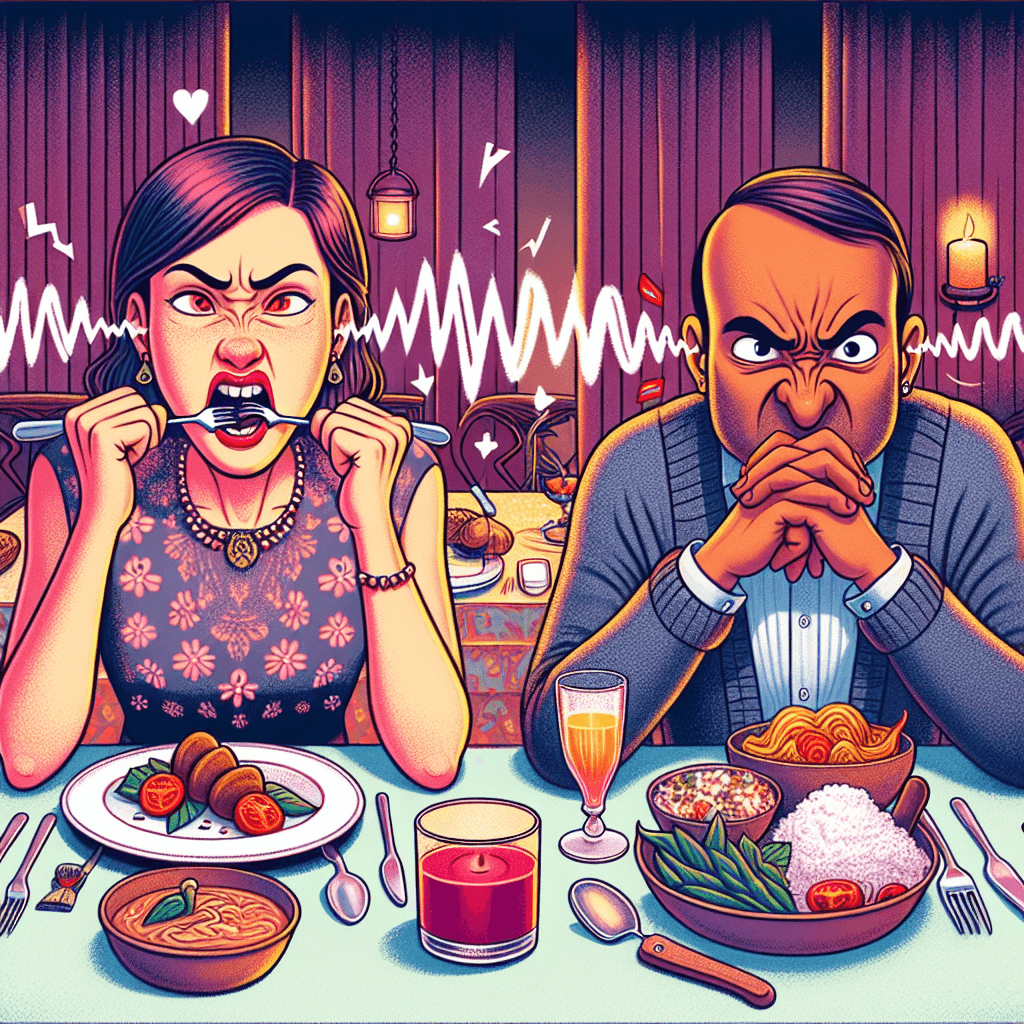
Imagine sitting down for a peaceful meal. Suddenly, the sound of someone chewing, crunching, or slurping fills the air, and an immediate, white-hot rage boils up inside you. It’s not just a minor annoyance; it’s an overwhelming urge to either scream or flee. If this scenario sounds painfully familiar, you are not alone, and you are not just being overly sensitive. This intense, involuntary reaction is a hallmark of a genuine neurological disorder. This post will delve into the science behind this phenomenon, exploring why for some, common sounds can trigger an uncontrollable emotional storm.
What is Misophonia?
The term for this condition is misophonia, which literally translates to "hatred of sound." However, it’s not a hatred of all sound. Misophonia is a disorder where specific sounds, known as "trigger sounds," provoke an extreme emotional and physiological response. While the person making the sound may be completely unaware, for the person with misophonia, the noise is intolerable.
The most common triggers are oral sounds made by others, such as:
- Chewing
- Slurping
- Lip-smacking
- Loud breathing
- Swallowing
However, triggers can also include repetitive noises like keyboard tapping, pen clicking, or the rustling of a bag. The reaction is not a simple dislike; it's a visceral, fight-or-flight response that can manifest as intense anger, anxiety, disgust, and even panic.
More Than Just Annoyance: The Science Behind the Rage
For a long time, sufferers were told they were being dramatic or intolerant. But modern neuroscience confirms that misophonia is a real condition rooted in brain function. The issue isn't with a person's ears, but with how their brain processes and responds to certain auditory information.
Groundbreaking research, including a key 2017 study from Newcastle University published in Current Biology, used MRI scans to examine the brains of people with misophonia. They discovered a significant difference in the brain's frontal lobe. In individuals with misophonia, there is a "supersensitized" connection between the auditory cortex (the part of the brain that processes sound) and the anterior insular cortex (AIC), a region responsible for processing emotions and interoception (sensing internal body signals).
This hyper-connectivity means that when a trigger sound is heard, it overloads the AIC, which in turn hijacks the brain's emotional control centers. The brain interprets a non-threatening sound, like chewing, as a genuine threat, kicking the autonomic nervous system into high gear. This is why the response is so immediate and powerful—it's the body's alarm system going off unnecessarily.
Living with the Impact and Finding Ways to Cope
Living with misophonia can be incredibly isolating. Sufferers may go to great lengths to avoid trigger situations, which often means skipping family dinners, avoiding restaurants, or struggling in open-plan offices. Relationships can become strained as loved ones may not understand the severity of the reaction.
While there is no known cure for misophonia, awareness is the first step toward management. Many individuals find relief through various coping strategies, such as:
- Creating competing sounds: Using headphones to listen to music or white noise can help drown out trigger sounds.
- Mindfulness and therapy: Cognitive Behavioral Therapy (CBT) can help individuals learn to manage their emotional reactions and reframe their thoughts about the trigger sounds.
- Strategic avoidance: While not always possible, creating distance from a trigger sound or politely leaving a room can be a necessary act of self-preservation.
- Open communication: Explaining the condition to family and friends can foster empathy and help them understand why certain accommodations, like not chewing gum nearby, are so important.
Conclusion
The uncontrollable rage felt when hearing someone chew is not a character flaw or a simple pet peeve; it is a complex neurological disorder called misophonia. Scientific evidence shows that the brains of those affected are wired differently, causing an involuntary and severe fight-or-flight response to specific sounds. Understanding the science behind this condition is crucial for validating the experiences of sufferers and fostering compassion from those around them. By increasing awareness and employing effective coping strategies, individuals with misophonia can better navigate a world full of sounds and regain a sense of control over their emotional well-being.


